
 EN
EN
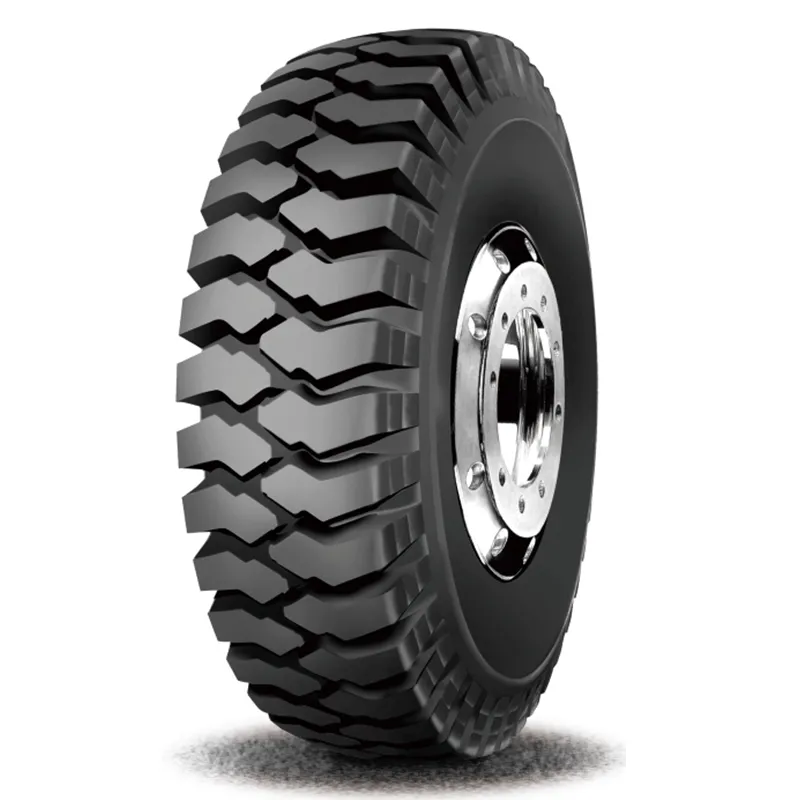
Title: What We’ve Learned About Commercial Tires in Southeast Asia – A Field Perspective
By our ASEAN tire team
After 12 years working directly with fleet operators across Indonesia, Thailand, and Vietnam, we’ve seen a clear pattern: the brands that win long-haul loyalty aren’t always the cheapest or the most famous. They’re the ones that keep trucks moving when the monsoon hits and the roads turn to mud.
The compliance game is real – and it saves money.
Take UN ECE standards. We recently helped a cross-border container hauler based in Surabaya avoid nearly $45,000 in potential penalties by switching their fleet to Bridgestone tires that met Thailand’s rolling resistance and wet grip labels. Their maintenance head told us: “I used to think labels were just paperwork. Now I see them as a fuel bill hedge.” That’s the kind of conversation we hear weekly.
Michelin, similarly, doesn’t just sell rubber. Their field engineers in Vietnam walked a 50-truck poultry logistics client through a heat-mapping exercise last July – pinpointing which axle positions ran hottest during afternoon runs. Adjusting tire pressures and rotating patterns based on that data added 18% more casing life, per the client’s own service logs. That’s not marketing. That’s math.
The aftermarket surge isn’t a trend – it’s a structural shift.
ASEAN’s truck park is aging. The 2024 ASEAN Tyre Market Report puts aftermarket growth at 6% annually, but we’d argue it’s faster in tier-2 cities like Medan or Da Nang, where old Isuzus and Hinos run 20-hour days. Goodyear and Continental have figured this out: their retreading vans now do routine inspections at logistics hubs, not just dealerships. One operator in Port Klang told us he cut unplanned downtime by 40% using Continental’s digital monitoring – because the system alerted him to a slow puncture before it became a blowout.
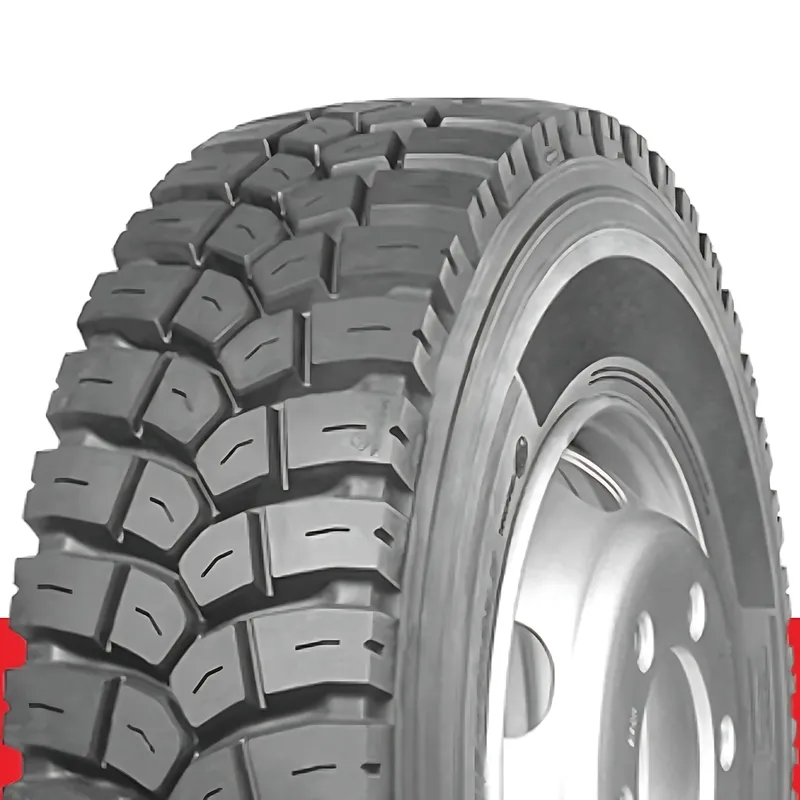
Local manufacturers aren’t “second tier” – they’re faster.
We toured a vertically integrated plant in Java last year. From raw rubber tapping to cured tire stacking, the whole cycle takes under 72 hours. That’s why they supplied 1.8 million medium-duty tires to Indonesia’s replacement market in 2023 – and grabbed ~40% share. Their Vietnam expansion, with 12 regional warehouses, means a haulage firm in Hanoi gets replenishment within 8 hours, not 8 days. A logistics director there put it bluntly: “Imports are cheaper on paper. But downtime kills. I’ll pay 15% more for a tire that arrives today.”
Monsoon engineering separates the pros from the pretenders.
We tested Hankook’s Batam-produced heavy-duty tires on volcanic soil routes in East Java. Their cut-resistant compound delivered 15% longer casing life than the previous pattern – verified by our own telemetry, not just their press release. Yokohama and Toyo, meanwhile, don’t just talk wet grip. Their high-silica compounds and triple-wave siping were validated on a tropical test track in Thailand during actual downpours. We sat in the passenger seat during one braking test – 80 km/h to zero on flooded asphalt. The distance was short enough that even our risk-averse safety officer nodded.
The new entrants? Promising, but not ready for prime time.
We’ve seen smaller Asian brands offer eye-catching prices through B2B e-commerce platforms. But three fleet managers we interviewed in Jakarta all said the same thing: inconsistent quality between batches, and no one answers the phone after 5 PM. One even showed us a batch where tread depth varied by 2.5 mm across identical SKUs. That’s unacceptable when your contract penalizes late deliveries by the minute.
What we tell our fleet partners:
-
If you run cross-border, don’t compromise on UN ECE compliance – it’s your license to operate.
-
If you run last-mile in Jakarta or Surabaya, look at government-contracted local suppliers – they’ve passed the stop-and-go torture test.
-
If you run plantations or volcanic routes, Hankook’s Batam plant is worth the conversation.
-
And if you’re tempted by price-only deals, ask for batch-test data and after-hours support – before you buy, not after you’re stranded.
We don’t claim to have all answers. But after thousands of tire rotations, monsoon breakdowns, and heated budget meetings, we know what keeps ASEAN fleets profitable. The data backs it up. And so does the road.