
 EN
EN
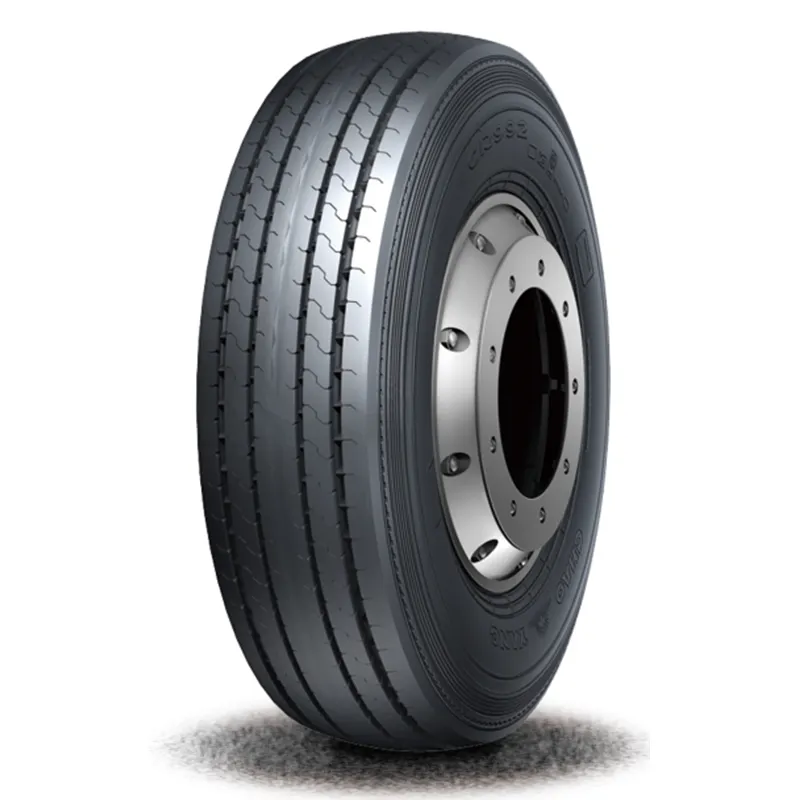
Exporting commercial tires from the United States is not simply a matter of loading containers and shipping them overseas. It requires navigating a complex regulatory landscape that begins with federal safety standards and extends to state-level nuances, international type approval systems, and enforcement realities that can make or break a shipment. For manufacturers, distributors, and fleet operators who supply tires to North American and global markets, understanding these requirements is essential to avoid costly delays, border holds, and reputational harm.
This guide provides a comprehensive overview of the mandatory standards governing exported commercial tires, including DOT and FMCSA requirements, Canadian certification pathways, key state divergences, and major international frameworks such as ECE R30 and ASEAN GRP alignment. By the end, you will have a clear roadmap for ensuring compliance from factory floor to foreign roads.
Understanding the Foundation: DOT and FMCSA Requirements for Commercial Tires
The U.S. Department of Transportation and the Federal Motor Carrier Safety Administration establish the baseline safety rules for commercial tires under 49 CFR § 393.75. These regulations apply to all vehicles engaged in interstate commerce, including those destined for export, and must be verified during every pre-trip inspection. Three core areas demand particular attention.
Tread depth is strictly regulated. Steer-axle tires must retain at least 4/32 inch of tread, while drive and trailer axle tires require a minimum of 2/32 inch. The Commercial Vehicle Safety Alliance uses these exact thresholds during roadside inspections to declare a vehicle out-of-service. A tire that measures below these limits, even by a fraction, can halt an entire shipment and trigger costly replacement.
Structural integrity is equally critical. A tire must not exhibit exposed belt or body ply, tread or sidewall separation, audible air leaks, or cuts deep enough to reach the underlying plies. These defects are often invisible to a casual glance but can be detected through careful inspection. Inflation pressure must remain within 10% of the manufacturer’s cold-inflation specification, which typically ranges from 85 to 130 PSI depending on load and tire size. Steer-axle tires may not be regrooved, recapped, or retreaded, and their load rating must equal or exceed the front gross axle weight rating. Tires on the same axle must match in size, construction type, and speed rating, with 75 mph being the common standard for long-haul operations. Each tire must also bear a legible DOT code that identifies the manufacturer, size, and production date, and tires older than six years warrant enhanced scrutiny due to age-related risks. Together, these rules form a non-negotiable safety baseline that exporters must confirm before any shipment leaves the facility.
The Enforcement Gap: Why Pre-Shipment Verification Matters More Than You Think
While federal standards are clearly defined, the reality of enforcement presents a significant challenge for exporters. Pre-shipment verification often relies on manufacturer self-certification rather than independent third-party audits. A tire that passes end-of-line factory testing may still harbor latent defects, or it may sustain damage during transit that only becomes apparent once the vehicle enters service abroad. This creates a gap between compliance on paper and compliance on the road.
Once on foreign roads, CVSA-style roadside inspections can quickly expose these hidden issues. In the United States, for example, a violation such as tread depth below 4/32 inch on a steer axle or visible ply exposure triggers an immediate out-of-service status, halting movement until the tire is replaced. The risk is even greater for exported tires, as many international jurisdictions—including Canada and EU member states—apply enforcement criteria closely aligned with CVSA standards. A pre-shipment oversight that goes undetected at the factory can therefore trigger expensive delays, border holds, or reputational damage far from home.
This enforcement gap demands a shift in mindset. Exporters must treat pre-shipment inspection as a mission-critical control point, not a procedural formality. This means conducting thorough visual and dimensional checks, verifying inflation pressure, confirming DOT marking legibility, and maintaining audit-ready documentation that demonstrates full compliance with DOT structural, inflation, and marking requirements. By doing so, exporters can significantly reduce the risk of roadside failures and the associated costs.
Key North American Export Markets: Canada and State-Level Variations
Beyond federal standards, exporters must also contend with distinct requirements in Canada and individual U.S. states, each of which adds another layer of complexity to the compliance burden.
Transport Canada CMVSS 119 and 139: Certification and the National Safety Mark
For exporters targeting Canada, compliance with Transport Canada’s Motor Vehicle Tire Safety Regulations is mandatory. These regulations enforce CMVSS 119, which applies to new tires on vehicles with a gross vehicle weight rating exceeding 4,536 kilograms, and CMVSS 139, which covers new radial tires on light vehicles. Unlike the U.S. self-certification model, Canadian law requires the manufacturer or importer to register with Transport Canada and maintain test records proving compliance with endurance, high-speed, and bead-unseating performance criteria.
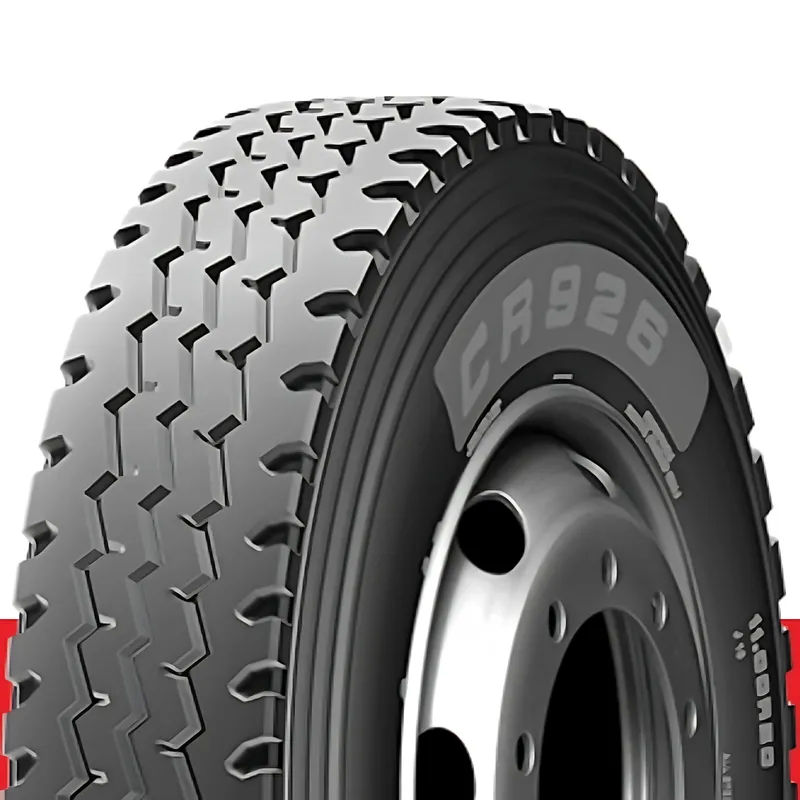
Every commercial tire entering the Canadian market must display the National Safety Mark, a unique certification symbol that is traceable to the production facility and accompanied by a Department of Transport code. Accredited third-party laboratories commonly conduct the required testing, particularly for tread-wear projections, load-capacity validation, and durability assessments. Non-compliance can result in immediate border holds or recalls, and since 2021, Transport Canada has intensified random pre-market audits, finding that approximately 8% of sampled commercial tires lacked proper markings. This underscores the need for rigorous documentation and pre-shipment verification that goes beyond simple conformance to ensure demonstrable traceability and avoid market access disruption.
Critical State Divergences: California AB 2282 and Texas DOT Enforcement
While federal standards provide the baseline, key U.S. states impose distinct requirements that directly impact export readiness. California’s AB 2282 mandates low rolling resistance certification for all commercial tires sold or installed in the state, verified by a Smithers-accredited lab, and requires fuel-efficiency labeling. Non-compliant tires are barred from California ports even if they are fully compliant with FMVSS 119. This means that a tire destined for export through a California port must meet California’s LRR standards, regardless of its final destination.
Texas takes a different approach. Its Department of Transportation enforces tread depth more stringently than federal guidance, routinely applying a 4/32-inch minimum for steer-axle tires across commercial fleets, effectively raising the bar beyond the federal 2/32-inch threshold for non-steer positions. A 2024 Texas Department of Public Safety report identified tread depth violations as the cause of 12% of all out-of-service citations, prompting many exporters to standardize deeper tread patterns across all North America-bound shipments.
These divergent state-level rules create a de facto regulatory patchwork that demands flexible manufacturing protocols, precise labeling strategies, and proactive alignment with regional enforcement expectations. Exporters serving multiple states must carefully map their distribution channels and adjust their compliance strategies accordingly.
Major International Commercial Tire Inspection Frameworks
For exporters shipping beyond North America, additional international frameworks come into play, each with its own requirements, testing protocols, and enforcement mechanisms.
EU ECE R30: Type Approval, Labeling, and Performance Testing
UN Regulation No. 30, commonly known as ECE R30, governs commercial tire type approval across the European Union. It prescribes exacting specifications for dimensions, load capacity, speed ratings, and endurance performance. Manufacturers must pass laboratory tests covering high-speed endurance, bead unseating resistance, and strength evaluation. Complementing this, EU Regulation EC 1222/2009 mandates a standardized label displaying rolling resistance, wet grip, and external noise levels—information that significantly influences procurement decisions among fleet operators.
Despite harmonization, enforcement inconsistencies persist. A 2023 European Commission survey found that 12% of inspected commercial tires failed to meet labeling requirements, often due to outdated or inaccurate performance data. Border checks and market surveillance rely on sampling, yet discrepancies remain most common among imports from non-EU markets. ECE R30 also requires periodic conformity-of-production testing, ensuring ongoing compliance rather than just one-time approval. As a result, the framework delivers robust protection but demands substantial investment in testing infrastructure, documentation, and continuous quality oversight, making it one of the most resource-intensive regimes exporters face.
ASEAN GRP Alignment and Key Compliance Friction Points
The ASEAN Global Regulatory Platform advances harmonization of automotive regulations, including tire standards, across Southeast Asia. Most member states have adopted technical requirements modeled on ECE R30, yet meaningful alignment with U.S. commercial tire standards remains limited. The core friction lies in fundamental regulatory philosophy: the U.S. DOT system relies on self-certification under FMVSS 119 and 139, whereas ECE R30 and ASEAN-aligned frameworks require formal type approval with third-party verification.
Key technical divergences compound the challenge, especially around minimum tread depth thresholds, retread eligibility, and endurance test protocols. A 2022 ASEAN Tire Industry Association report found that 30% of commercial tire exporters experienced shipment delays due to conflicting certification demands. While the GRP streamlines intra-regional trade, the absence of mutual recognition between U.S. DOT and ECE approvals forces exporters to maintain dual testing regimes, increasing time-to-market, cost, and administrative complexity. Until alignment improves, manufacturers serving both North American and ASEAN markets must navigate parallel compliance pathways with no shortcuts.
Practical Steps for Exporters: Building a Robust Compliance Program
Given the complexity of these overlapping requirements, a systematic approach to compliance is essential. Start by conducting a thorough jurisdictional assessment for each target market, identifying applicable federal, state, and international rules. Develop a pre-shipment inspection checklist that covers tread depth, structural integrity, inflation pressure, DOT marking legibility, and any state-specific certifications such as California LRR. Maintain detailed documentation of all test results and inspections, ensuring traceability from production to delivery. Engage accredited third-party laboratories for independent verification when required, particularly for Canadian and EU markets. Finally, stay informed about regulatory updates, as enforcement priorities and standards evolve over time.
Conclusion: Compliance as a Competitive Advantage
Navigating the complex landscape of U.S. federal standards, state-level divergences, and international frameworks for exported commercial tires is undeniably challenging. Yet for exporters who invest the time and resources to build a robust compliance program, the rewards are substantial. Fewer border delays, lower inspection-related costs, stronger customer trust, and access to premium global markets all flow from a commitment to regulatory excellence. In an industry where safety and reliability are paramount, compliance is not a burden—it is a competitive advantage that separates market leaders from the rest.