
 EN
EN
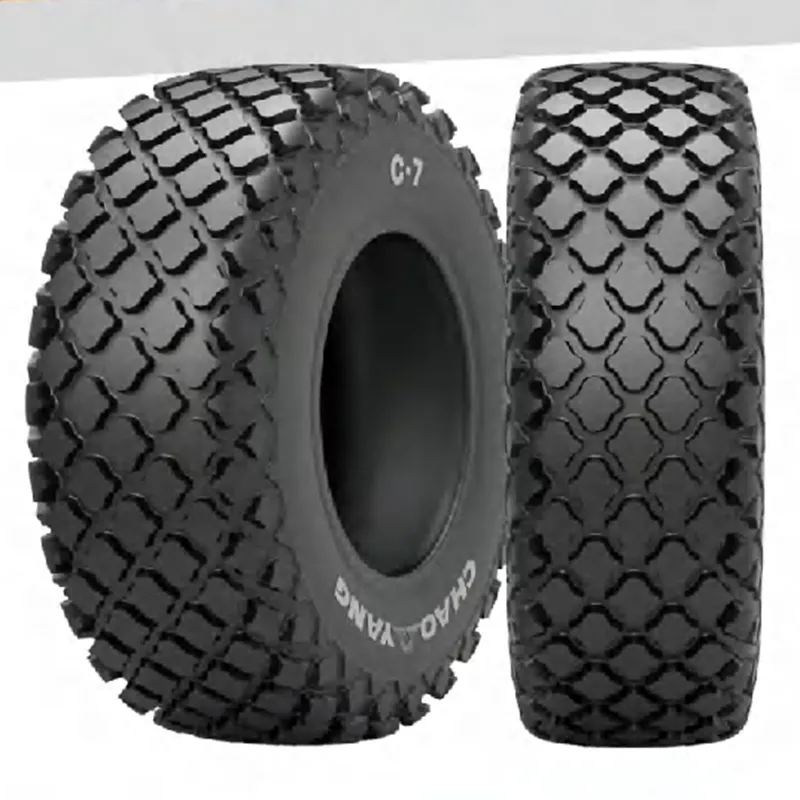
How to Choose the Right Off‑Road Tires for Your Tractor and Farm Equipment
Selecting the correct off‑road tires for agricultural machinery is far more than a routine maintenance decision. It directly shapes field productivity, fuel consumption, soil health, and operating costs. Yet with multiple sizing systems, tread patterns, and advanced casing technologies on the market, many farm operators find it challenging to match the right tire to their specific conditions. This guide breaks down the essentials—from metric and imperial size codes to R1 versus R2 treads, and from Increased Flexion (IF) to Very High Flexion (VF) innovations—so you can make a confident, data‑driven choice for every wheel on your farm.
Decoding Off‑Road Tire Sizes: Metric, Imperial, and What They Really Mean
Agricultural tires come in two main size formats, and understanding them is the first step toward a proper fit. The metric system, typically used for radial tires, appears as something like 340/85 R24. In this code, 340 is the section width in millimeters, 85 is the aspect ratio (sidewall height as a percentage of width), R stands for radial construction, and 24 is the rim diameter in inches. This design gives a tall, flexible sidewall that helps distribute machine weight over a larger footprint, reducing soil compaction—a critical advantage in modern no‑till or strip‑till farming.
Imperial sizing, on the other hand, comes in two variations. The first, such as 15.0/55–17, uses inches for section width (15.0″), aspect ratio (55%), a dash (‑) to indicate bias‑ply construction, and rim diameter (17″). The second imperial format, like 31×15.50–15, lists overall diameter (31″), section width (15.50″), and rim diameter (15″)—all in inches, also typically bias‑ply. While bias‑ply tires remain common on older or smaller utility tractors due to their lower cost and simpler construction, radial tires now dominate the high‑horsepower segment, with industry data showing over 70% of the agricultural tire market using radial technology as of 2023. Radials offer better traction, lower rolling resistance, longer tread life, and improved ride comfort, making them the preferred choice for primary tillage and heavy hauling.
When replacing tires, always verify the exact size format against your equipment manual. Even a small mismatch in rim diameter or aspect ratio can alter driveline ratios, reduce ground clearance, or cause sidewall rubbing—all of which compromise safety and field performance.
R1 vs. R2 Treads: Matching Traction to Your Field Conditions
Once you have the right size, the next critical decision is tread pattern. The two most common agricultural treads are R1 and R2, and each serves a very different environment.
R1 tires are the general‑purpose workhorse for mixed‑use farms. They feature moderately deep lugs—roughly 1.5 inches—with wide spacing that allows the tread to self‑clean in light mud. This design delivers reliable traction for plowing, planting, cultivating, and road transport on firm or loamy soils. R1 tires strike an excellent balance between grip and flotation, and they tend to have lower rolling resistance on hard surfaces, which translates to better fuel economy during road moves. However, in saturated clay or standing water, R1 lugs can fill and lose bite, leading to increased wheel slip and higher fuel consumption.
R2 tires are purpose‑built for extreme wetness. Their lug depths often exceed 3 inches—roughly double that of R1—with aggressively spaced bars that bite deep into waterlogged or heavy‑clay soils. This makes R2 the go‑to choice for rice paddies, sugarcane fields, and other high‑moisture operations where wheel slip must be minimized. The deep tread also reduces rutting and helps preserve soil structure in compaction‑sensitive areas. But there is a trade‑off: R2 tires wear significantly faster on paved roads, offer less lateral stability, and can increase ground pressure on dry soils due to their narrower contact patch. They are best reserved for dedicated field work in persistently wet conditions, not for tractors that spend a large portion of their time on hardstands or public highways.
For most mixed operations, R1 provides the best all‑around value. For farms with poorly drained or clay‑dominated fields, investing in R2 for specific machines—and keeping a spare set of R1 or road‑friendly tires for transport—often proves the most cost‑effective strategy.
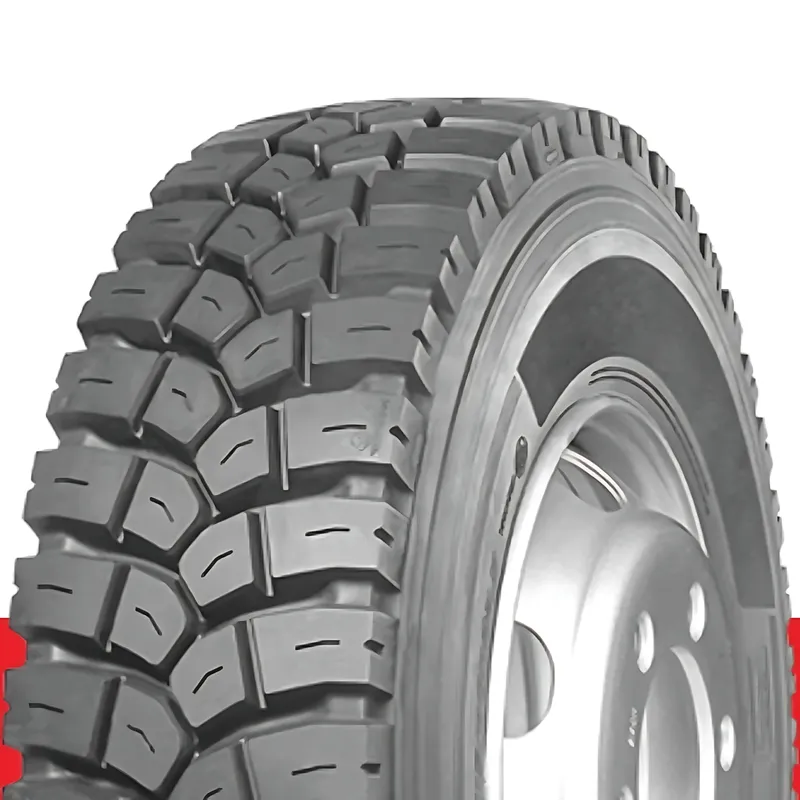
IF and VF Technology: More Load, Less Pressure, Healthier Soil
Perhaps the most significant advancement in recent agricultural tire engineering is the development of Increased Flexion (IF) and Very High Flexion (VF) casings. These are not tread patterns but sidewall technologies that fundamentally change how a tire manages load and pressure.
A standard radial tire supports its rated load at a given inflation pressure. An IF tire allows you to carry 20% more load at the same pressure—or, alternatively, the same load at 20% lower pressure. A VF tire takes this further, offering 40% more load at standard pressure or 40% less pressure for the same load. The secret lies in a specially engineered sidewall that flexes more without overheating, creating a footprint that can be up to 25% wider than a conventional tire of the same size.
Why does this matter? Lower inflation pressure spreads the machine’s weight over a larger contact area, which directly reduces ground pressure—often cutting it in half. This means less rutting, less compaction in the root zone, and better preservation of soil pore space, which is essential for water infiltration and root growth. At the same time, the larger footprint improves traction and reduces slip, which lowers fuel consumption and minimizes heat buildup in the casing. Field tests have shown that VF tires can reduce fuel use by several percentage points in heavy tillage operations while extending tread and casing life due to cooler running temperatures.
Best of all, these benefits come without upsizing the tire or modifying the wheel. You can replace a standard radial with an IF or VF of the same size and immediately gain additional load capacity or the ability to drop pressures for flotation—making them ideal for compaction‑sensitive fields, high‑speed transport, or heavy implements like grain carts and manure tankers.
Putting It All Together: A Practical Selection Framework
Choosing the right tire for each axle and each machine requires a systematic approach. Start by answering four questions for each piece of equipment:
-
What is the primary terrain and moisture level? Dry, loamy, or mixed fields generally suit R1. Wet, clay‑rich, or paddy conditions demand R2.
-
What is the typical load range? If you frequently operate near the machine’s maximum gross vehicle weight, consider IF or VF technology to maintain flotation without increasing tire size. This is especially valuable for front tires on large 4WD tractors and for combine harvesters with full grain tanks.
-
What is the correct size from the manufacturer? Never guess. Check the owner’s manual or the tire sidewall for the original size designation—whether metric (e.g., 340/85 R24) or imperial (e.g., 15.0/55–17 or 31×15.50–15). Using an incorrect size alters speedometer accuracy, transmission shift points, and clearance for fenders and steering components.
-
How much road transport versus field work does the machine see? Frequent road travel favors R1 or even R1‑W (road‑biased) treads, while dedicated field machines can run R2 without penalty. For mixed use, radial R1 with IF or VF construction offers an outstanding compromise between traction, flotation, road wear, and fuel efficiency.
Always cross‑reference the tire’s load index and speed rating against your heaviest implement configuration. Under‑inflating a standard tire to mimic flotation is dangerous—it causes excessive sidewall flexing, heat buildup, and eventual failure. Instead, choose a tire specifically engineered for lower pressure operation, such as IF or VF, when flotation is a priority.
Common Pitfalls and How to Avoid Them
Even experienced farmers can overlook a few critical details. One frequent mistake is using R2 tires for general transport, leading to rapid center‑lug wear and poor road handling. Another is assuming that a larger tire always means better flotation—while footprint width matters, so does overall diameter and aspect ratio, which affect the length of the contact patch. A third pitfall is ignoring sidewall age; tires over six to eight years old, even with good tread, can have degraded casings that are prone to failure under heavy loads.
Regular pressure checks—ideally weekly during peak seasons—and visual inspections for cuts, bulges, or uneven wear will extend tire life significantly. And when replacing a pair on a dual‑wheel setup, always match the new tires with the older ones in overall circumference to avoid excessive driveline stress.
Conclusion: Tires Are Your First Line of Defense Against Compaction and Lost Efficiency
Off‑road tires are not just black rubber rings; they are engineered tools that influence every pass across your fields. Choosing the correct size, tread pattern, and casing technology delivers measurable returns: lower fuel bills, less soil compaction, higher yields, and fewer downtime events. With metric and imperial sizing demystified, R1 and R2 applications clarified, and IF/VF benefits quantified, you are now equipped to evaluate your fleet’s tire needs with confidence. Remember, the best tire is not the most expensive one—it is the one that matches your soil, your loads, and your daily operation. Invest the time to select wisely, and your soil, your machinery, and your bottom line will thank you.