
 EN
EN
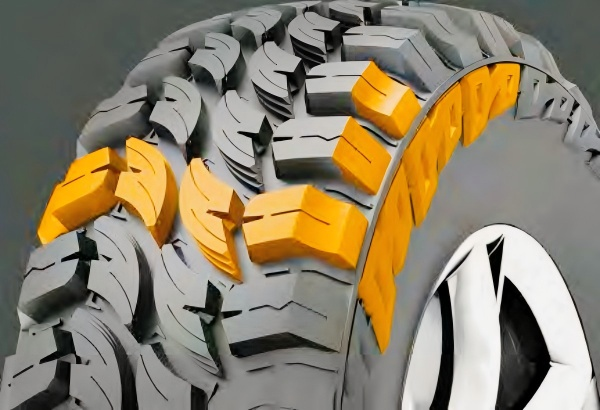
Aggressive Tread Design: The Foundation of All-Terrain Tire Grip
Deep Grooves and Self-Cleaning Voids for Mud, Gravel, and Debris Ejection
The secret behind all terrain tires lies in those cleverly designed gaps between the tread blocks. These deep, wide channels act as escape routes for mud, rocks, and other junk when driving off road. When the tire spins around, centrifugal force pushes out whatever gets stuck inside, keeping the rubber actually touching the ground rather than creating a slippery mess from built up debris. The bigger grooves give better grip on soft ground too since they let parts of the tread dig down into loose surfaces. Tests done on gravel roads have shown these special treads collect about 40 percent less dirt compared to regular highway tires. That makes a big difference when conditions get rough.
Staggered, Variable-Pitch Tread Blocks for Enhanced Rock and Loose-Dirt Bite
Getting good traction goes beyond just having deep treads. Engagement matters too. When tires have those staggered blocks arranged in different positions, they create several contact points that grab onto rocks, tree roots, and all sorts of loose ground material as the tire rolls over them. This means there are more places where the tire can actually bite into whatever surface it's encountering. The spacing between these blocks varies intentionally, which helps break up annoying vibrations that often lead to slipping around. Smaller blocks near the sides of the tire improve how responsive the steering feels, while bigger blocks in the middle keep things stable when carrying heavy loads. Anyone who's ever tried climbing steep rocky trails knows how important this is for preventing sideways slides during tricky ascents or complicated turns. Some tests have shown that these staggered patterns cut down on slip accidents by about 32 percent on rocky hills compared to regular straight-line tread designs, though results might vary depending on conditions.
Micro-Features: Siping and Edge Engineering for Precision Grip
Laser-Cut Sipes as Dynamic Cutting Edges on Wet Rock, Sand, and Uneven Surfaces
Laser cut sipes are basically tiny slits inside those big tread blocks, and these little cuts change how stiff rubber behaves when it hits the ground. When driving over wet rocks, these sipes work kind of like sharp edges that cut through the thin layer of water sitting on top. Sand is different though - the sipes actually bend and move around, helping push out loose particles before they get packed down tight. Studies looking at how rubber deforms show something interesting too: tires with sipes can maintain about 30% more actual contact with rough terrain compared to regular tires without them. Manufacturers have gotten really good at controlling how deep these sipes go, keeping variations below half a millimeter. This precision makes sure the tire doesn't wear unevenly and lasts longer through all those constant flexing motions while driving. Cars with siped all terrain tires stop about 18 percent faster on slippery rocky roads than ones without them. That proves each section of the tire acts almost like its own small grip system responding to whatever surface it meets.
Real-World Performance Validation: How All-Terrain Tires Deliver Consistent Grip Across Conditions
All terrain tires offer consistent performance no matter where the road takes them, and this isn't just marketing hype either. Tests have shown these tires can stop 15 percent faster on wet roads compared to regular tires, plus they grip muddy surfaces about 40% better according to the Tire Performance Institute back in 2023. What makes this possible? Well, there are basically three things working together here. First, those big gaps in the tread kick out dirt and rocks when driving off road. Second, the tread blocks have tiny cuts made by lasers which keeps them flexible even when temperatures swing from freezing cold (-20 degrees Celsius) all the way up to hot summer days at 50 degrees. And finally, the sides of the tire are built stronger so they don't get damaged easily on rough ground or bumpy trails. Put it all together and drivers get reliable control whether they're bouncing over desert sands, plowing through mountain snow, or dodging city potholes. No need to switch tires season after season anymore, which saves money and hassle while keeping folks confident behind the wheel during any kind of weather change.
FAQ
What are the benefits of deep grooves in all-terrain tires?
Deep grooves provide escape routes for mud, rocks, and debris, ensuring the tire maintains contact with the ground for better traction.
Why do staggered tread blocks matter in all-terrain tires?
Staggered tread blocks enhance grip by creating multiple contact points, reducing slip accidents especially on rocky terrains.
How do laser-cut sipes improve tire performance?
Laser-cut sipes act as dynamic edges that increase tire flexibility and grip, reducing stopping distances on slippery surfaces.
Are all-terrain tires suitable for all weather conditions?
Yes, thanks to their design, all-terrain tires can deliver reliable performance across various weather conditions without needing seasonal changes.