
 EN
EN
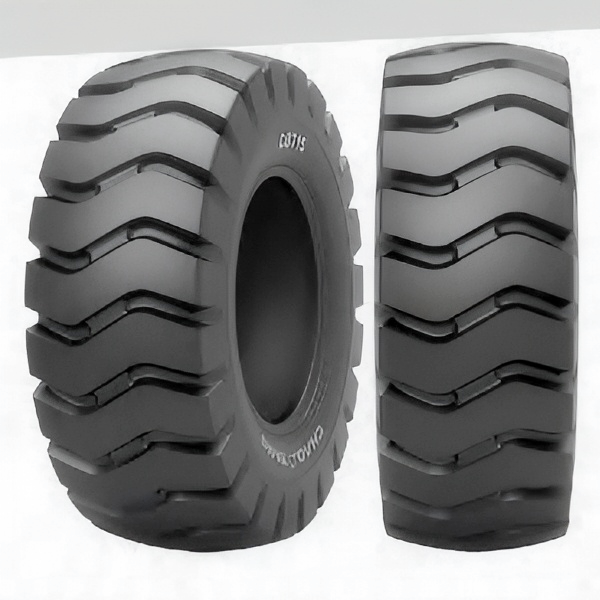
Core Durability Features of High-Performance Commercial Tires
Heat-resistant compounds and advanced tread rubber engineering for extended mileage
Premium commercial tires contain heat resistant materials specifically designed to handle road conditions where temperatures can reach well above 200 degrees Fahrenheit on long stretches of highway driving. The special polymer blends used in these tires actually release heat about 40 percent better than regular tire rubber, which means they don't break down as quickly and maintain their shape and strength for longer periods. Modern tire manufacturers have started adding silica along with flexible polymers into their tread designs so the tires stay pliable even when faced with drastic temperature swings from below freezing to nearly 250 degrees. This combination cuts down on rolling resistance and makes the tires more resistant to wear and tear. As a result, drivers get roughly 25 to 30 percent more miles out of these advanced tires compared to traditional models. Another clever design feature involves how the tread blocks are arranged throughout the tire. By strategically placing different layers, manufacturers can spread out the stress points where most damage typically occurs, allowing these high performance tires to deliver reliable service for over 100 thousand miles before needing replacement.
Load-rated construction and size optimization for sustained highway stress
Tires built for heavy loads incorporate reinforced steel belts along with high tensile cord materials that spread the weight evenly across the tire's contact area with the ground. The engineering behind each size is pretty important too since it determines how well the tire maintains its shape when subjected to those massive wheel loads exceeding 5,000 pounds. When tires are too big for the job, they tend to run hotter than normal which actually speeds up wear and tear. On the flip side, getting the right size means finding that sweet spot between what the tire can carry and how it handles heat buildup. This balance makes all the difference for trucks making those long haul trips day after day.
| Design Feature | Durability Benefit | Highway Impact |
|---|---|---|
| Multi-ply sidewalls | 30% better impact resistance | Prevents curb damage at loading docks |
| Precision cord angles | Even load distribution | Eliminates irregular wear patterns |
| Size-specific compounds | Optimized heat dissipation | Maintains integrity during 10-hour hauls |
| Staggered belt package | 20% greater cut resistance | Handles debris on interstate routes |
Tread Design Strategies That Maximize Commercial Tire Longevity on Highways
Ribbed Tread Patterns: Stability, Wear Uniformity, and Low Rolling Resistance
Tires with ribbed tread patterns have those continuous grooves around them that actually give better stability and help tires wear more evenly on highways. When these tires hit the road, they keep the contact area pretty much the same size all the time, so weight gets spread out over the whole tread surface instead of wearing down in spots. That kind of wear is what usually makes tires need replacing early on. The shape of these ribbed treads also cuts down on rolling resistance somewhere around 20% when compared to those blocky lug treads we see sometimes. Less resistance means less gas burned overall. According to some tests done on fleet operations, this particular tread design can last anywhere from 15k to 20k extra miles before needing replacement. Plus, drivers notice improved straight line stability and less damage to the sides of tires when making those quick lane changes at highway speeds.
How Low Rolling Resistance Design Extends Commercial Tire Service Life Without Sacrificing Traction
Low rolling resistance (LRR) tires last longer than regular ones because they save fuel but also fight against heat damage that wears out rubber over time. The special silica compound in their treads cuts down on internal friction without making them slip on wet roads, which means less heat builds up inside the tire. Most fleet managers report getting around 8 to 12 percent more mileage before hitting the 2/32 inch wear limit set by FMCSA regulations. What makes these tires really stand out though is how they keep grip even when wet thanks to those fancy 3D sipes and clever tread blocks designed to pass federal braking tests. The whole package works so well that mechanics see about 30 fewer heat-related blowouts per hundred tires, allowing for several retreads without sacrificing safety on highways across the country.
Role-Specific Commercial Tire Specialization for Long-Haul Efficiency
Not all commercial tires work the same across different situations. The demands placed on regional versus long haul operations couldn't be more different, which is why we need specialized tire designs for each scenario. For regional routes where trucks constantly start and stop in city traffic, manufacturers build tires that can handle rough pavement and frequent cornering. These tires typically have stronger sidewalls and tougher rubber compounds to withstand the wear and tear of unpredictable road surfaces. Long haul tires tell a different story altogether. They're built specifically for highway cruising, with tread patterns designed to minimize rolling resistance and materials that resist heat buildup during those endless stretches between rest stops. The casing construction itself is meant to stay stable even after tens of thousands of miles on asphalt roads without breaking down prematurely.
Specializing in the right equipment actually pays off in real dollars. For long haul operations, switching to highway-specific tires cuts down on fuel burn somewhere between 3 to 8 percent, and these tires last around 20% longer than those generic all-purpose models most truckers stick with. Take one major fleet company for example they saved well over $100k each year just by making sure their tire specs matched exactly what their routes needed. When companies get serious about matching tires to actual road conditions instead of settling for whatever's cheapest upfront, they see lower maintenance bills, fewer breakdowns, and ultimately spend less money overall on running their fleet.
Retreadability and Total Cost of Ownership in Commercial Tire Selection
Retread cycles as a durability multiplier: Maintaining performance across multiple lives
The process of retreading turns high quality commercial tire casings into something that lasts much longer than originally expected, often giving them two or even three extra lifetimes. The price tag on a retreaded tire? About one third to less than half what a brand new tire would cost according to MonsterTires data from 2024. When companies take proper care of their tires through regular inspections, keeping things aligned right, and maintaining correct air pressure levels, these retreaded tires can actually rack up between 450 thousand and half a million miles total. That kind of performance cuts down on tread costs per mile by around two thirds compared to buying tires only once as noted by Pepijn in 2023 research. What's really important though is that today's retread technology meets every single safety standard set by the FMCSA for roads across the country. For fleet operators looking at both wallet and environment, retreading remains one of those rare solutions where it makes financial sense while also helping reduce waste over time.
FAQ
What are the benefits of heat-resistant materials in commercial tires?
Heat-resistant materials help commercial tires withstand high temperatures, allowing them to maintain shape and strength longer, providing greater mileage compared to regular tires.
How do ribbed tread patterns improve tire longevity?
Ribbed tread patterns offer stability and uniform wear, reducing rolling resistance and increasing the longevity of the tire on highways.
How does size optimization affect commercial tires?
Optimized tire sizing ensures proper weight distribution and heat management, preventing premature wear and ensuring the tires perform effectively.
Why is retreading important for commercial tires?
Retreading extends the life of tire casings cost-effectively while meeting safety standards, significantly reducing expenses and environmental waste.