
 EN
EN
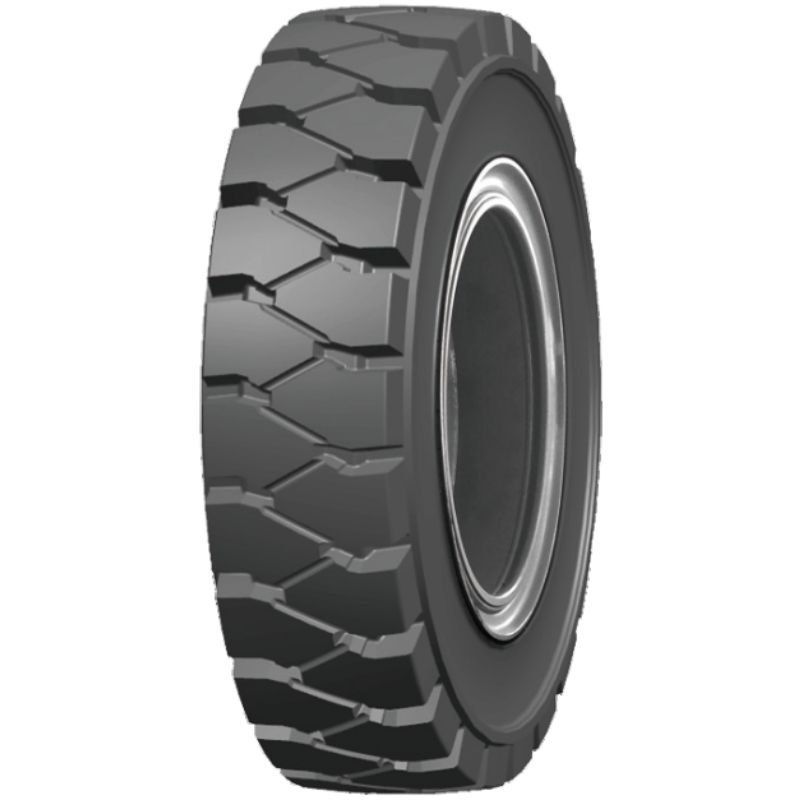
Core Forklift Tire Types Optimized for Indoor Warehouses
Cushion, polyurethane, and solid pneumatic forklift tires: performance trade-offs for smooth indoor floors
Most warehouses stick with cushion tires because they're small enough to fit in tight spaces and made from solid rubber that won't go flat. These tires work really well on smooth concrete floors, letting operators turn corners easily even when space is limited. Plus, they help reduce back pain after long hours since they absorb some of the vibrations from driving around all day. There's also polyurethane options out there that save power. Some tests show electric forklifts can last about 18% longer between charges with these tires, but drivers might notice more bumps and jolts compared to cushion tires. Solid pneumatic models give better weight spreading across the floor and cut down on shaking, which is great for sensitive cargo. However, these bigger tires take up more room, so they aren't practical in those super narrow aisles where every inch counts.
| Characteristic | Cushion | Polyurethane | Solid Pneumatic |
|---|---|---|---|
| Floor pressure | High | Medium | Low |
| Maneuverability | ★★★★★ | ★★★★☆ | ★★★☆☆ |
| Vibration dampening | ★★★☆☆ | ★★★★☆ | ★★★★★ |
| Ideal aisle width | < 8ft | < 10ft | > 10ft |
Specialty variants: non-marking, low-temperature, and static-dissipative forklift tires for regulated environments
Specialized tire formulations tackle problems that go well beyond basic performance requirements. Non marking tires stop those annoying scuff marks on epoxy coated floors and vinyl composite tiles VCT floors, which matters a lot in places like pharmacies and food processing plants. The Ponemon Institute reported last year that floor contamination issues can lead to fines averaging around $740k for data centers. For cold storage applications, low temp versions stay flexible even when temps drop to minus 20 degrees Fahrenheit or so, avoiding the early cracking that happens to regular rubber once temperatures fall below 40 degrees F in warehouse freezers. There are also static dissipative models available that help get rid of built up electrical charges, reducing fire hazards in areas dealing with flammable gases or combustible dust particles. Sure, these specialized options might set businesses back between 15 and 30 percent initially, but consider what gets avoided: costly regulatory citations plus expensive floor repair work that runs over $200 just for each linear foot damaged.
Matching Forklift Tire Specifications to Warehouse Floor Conditions
Compound hardness (Shore A), tread design, and durometer selection for polished concrete, epoxy, and VCT flooring
Precise alignment between forklift tire specifications and warehouse flooring is essential to protect infrastructure and sustain safe, efficient operations. Three interdependent factors require attention: compound hardness (measured in Shore A), tread design, and consistent durometer validation.
For polished concrete surfaces which are dense and have low friction, we generally need higher Shore A ratings around 85 to 90. These numbers help the material stand up against abrasion while still keeping those pesky scuff marks at bay without losing traction completely. On the flip side, vinyl composite tiles (VCT) are much softer and can compress under pressure. They work better with Shore A values in the 75 to 80 range because this helps spread out the weight more evenly across the surface. This prevents those annoying permanent dents and keeps seams from separating over time. Epoxy coated floors sit somewhere in the middle ground here. Most people find that a moderate hardness level between 80 and 85 works well for them. It gives enough grip for daily use but also protects the floor itself and makes it last longer overall.
The way tires are designed really makes a difference in how they perform. Smooth treads give better stability and leave no marks on polished concrete surfaces. For epoxy floors, those light grooves around the circumference help maintain grip even when there's moisture or dust around, all without damaging the floor itself. When buying new tires, don't rely solely on what suppliers put in their spec sheets. Check the actual Shore A hardness with a proper durometer gauge before making purchases. Facilities that handle over 50 lift cycles each day report about 30% fewer unexpected breakdowns and longer lasting floors when they properly match tires to flooring materials. According to industry studies, getting this pairing wrong can actually speed up wear by roughly 40%. That means higher maintenance costs throughout the year for businesses that skip this important step.
Practical Forklift Tire Customization Options and Real-World Limits
Size, Profile, and Mounting Adaptations for Narrow-Aisle and Tight-Aisle Forklifts
When facilities have limited space, custom tire sizes really help with both moving around and packing things in tighter. Cutting down on tire width by roughly 10 to 15 percent makes it possible to operate reliably even in narrow aisles that are just under 2 meters or so wide. These low profile tires keep vehicles stable side to side while also making the overall wheelbase shorter, which matters a lot for reach trucks and order pickers working among tall racks. Putting tires in radial positions helps shift weight better when turning sharply, so there's less scuffing on floors and steering feels more responsive. All these changes together can boost how much stuff fits into storage spaces by somewhere between 8 and 12 percent in those big warehouses with high shelves. But watch out if modifications get too extreme like cutting widths too much or changing profiles without support. That kind of thing can lead to bearings wearing out faster, problems with hydraulics, or stress on axles. Most of the real benefits come from staying within what original equipment manufacturers recommend, saving money on expensive structural changes later on.
When Customization Delivers ROI: Evaluating Wear Life, Floor Protection, and Downtime Reduction in Mid-Volume Warehouses
Customized forklift tires generate measurable returns when matched to facility-specific demands—not applied generically. Properly sized and compounded tires extend service life by up to 30% compared to off-the-shelf alternatives. In facilities with epoxy-coated floors, specialized non-marking compounds reduce floor repair costs by approximately $18,000 annually. Key ROI metrics include:
| Factor | Standard Tires | Customized Solution | Improvement |
|---|---|---|---|
| Replacement Frequency | 6–8 months | 10–12 months | +40% lifespan |
| Floor Maintenance | $2,400/quarter | $900/quarter | 62% reduction |
| Downtime Hours | 38 hours/month | 22 hours/month | 42% decrease |
Mid-volume operations (15–25 forklifts) typically achieve full payback within 14 months. Customization becomes cost-ineffective when annual usage falls below 1,200 hours per forklift—below which standard tires remain the optimal value choice.
Selecting a Reliable Forklift Tire Supplier for Warehouse-Specific Customization
Choosing the right forklift tire supplier directly impacts floor integrity, operational uptime, and long-term TCO. Prioritize partners with demonstrable expertise in material science, application-specific validation, and technical support—not just distribution. Look for suppliers offering:
- Material science expertise, including proprietary compound development for polished concrete abrasion resistance or epoxy non-marking performance
- Custom tread design capabilities, engineered for narrow-aisle stability and turning radius optimization
- Technical validation support, such as wear-life simulation reports and documented floor compatibility testing across your specific substrate
According to research from the Ponemon Institute in 2023, facilities typically lose around $740,000 each year because of forklift downtime alone. That kind of number makes it pretty clear why vetting suppliers should be high on any operations manager's priority list. The best companies stand out by delivering real results. We're talking about parts that last 30 to 40 percent longer thanks to their precise compounding techniques. They also maintain consistent Shore A readings throughout production runs, which matters a lot when quality control is critical. And don't forget about those load distribution numbers they provide specifically for different flooring types. Before signing any contracts, make sure to ask for all the third party testing papers. Look for things like proper durometer calibration records and actual wear tests done according to ASTM standards. These documents tell the true story behind the product claims.
FAQ
1. Why are cushion tires commonly used in warehouses?
Cushion tires are preferred in warehouses as they are small enough to fit in tight spaces, made from solid rubber that won't go flat and provide good maneuverability on smooth concrete floors. They also help reduce back pain by absorbing vibrations during operation.
2. What are the benefits of polyurethane forklift tires?
Polyurethane tires can extend electric forklift battery life by up to 18% between charges. However, they may provide a bumpier ride compared to cushion tires.
3. How do solid pneumatic tires benefit warehouses?
Solid pneumatic tires offer better weight distribution across the floor and reduced vibrations, making them ideal for transporting sensitive cargo. However, they are not suitable for very narrow aisles due to their larger size.
4. What are specialty forklift tires for?
Specialty forklift tires, such as non-marking, low-temperature, and static-dissipative variants, are designed for regulated environments like pharmacies and cold storage, preventing floor marks, staying flexible in low temperatures, and dissipating static charges to reduce fire hazards.
5. How does tire specification impact warehouse operations?
Matching tire specifications to warehouse floor types can reduce unexpected downtime and floor damage. Choosing the right Shore A hardness and tread design preserves floor integrity and aids in efficient forklift operation.