
 EN
EN
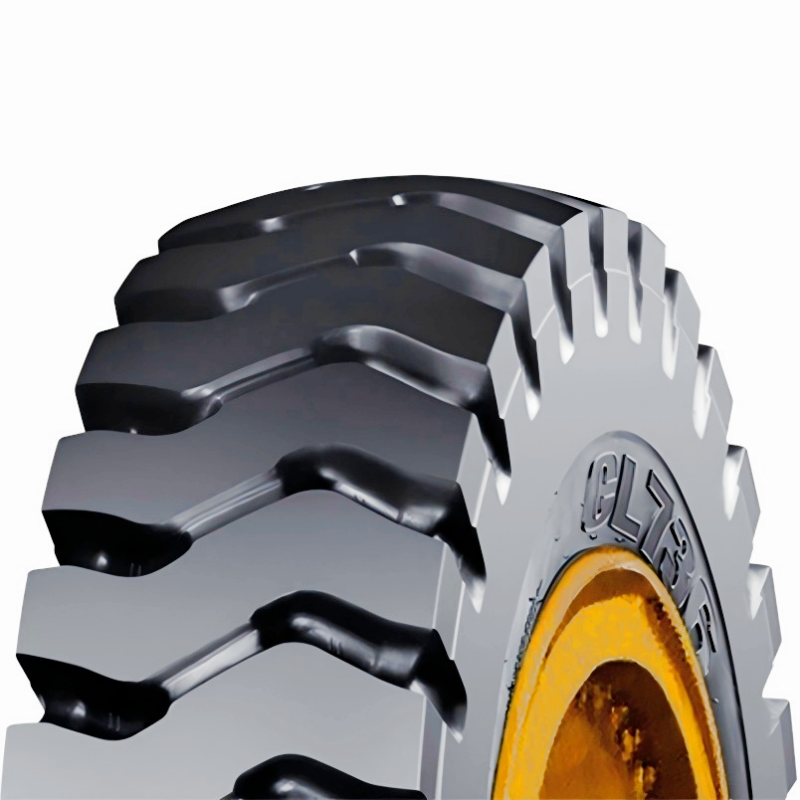
Understanding Industrial Tires: Types, Specifications, and Application Fit
Key Tire Categories: Solid, Pneumatic, and Polyurethane—Matching Load, Terrain, and Duty Cycle
There are basically three main types of industrial tires out there solid, pneumatic, and polyurethane each designed for different kinds of work conditions. Solid tires are practically indestructible when it comes to punctures, which makes them great for heavy machinery like forklifts that operate in places full of sharp objects, think scrap yards or similar environments. These can handle weights well beyond what most people would expect, sometimes upwards of 15 thousand pounds without breaking a sweat. Pneumatic tires have air inside them, so they bounce around a bit on rough ground. That's why construction crews love them for outdoor jobs where the ground isn't exactly flat. Polyurethane options offer something special though they last longer because they resist wearing down, plus they roll easier than other materials. Warehouse operations tend to favor these since they need tires that can withstand constant movement across clean floors. The Shore A hardness rating between about 85 and 95 plays a big role here too. Getting the right tire for the job matters a lot actually. According to some research from the Material Handling Institute in 2023, getting this wrong means replacing tires roughly 40% faster than necessary.
Critical Specs Decoded: Load Index, Speed Rating, Rim Compatibility, and Compound Hardness (Shore A)
Four specifications govern industrial tire performance and safety:
| Specification | Function | Application Impact |
|---|---|---|
| Load Index | Maximum weight capacity per tire | Prevents overload failures |
| Speed Rating | Safe operational speed limit | Avoids heat-induced blowouts |
| Rim Compatibility | Wheel-to-tire fit precision | Eliminates vibration and instability |
| Shore A Hardness | Compound durability measurement | Determines surface abrasion resistance |
Equipment safety starts with understanding the Load Index. When this gets exceeded, it causes serious problems on factory floors. According to OSHA data from 2022, about one third of all tire related downtime comes down to simply overloading what the equipment can handle. Then there's Shore A hardness to consider when matching tires to different surfaces. Tires rated under 80 work best on smooth concrete floors inside buildings. But if we're talking about rough outdoor environments where things get gritty, then anything above 90 on that scale holds up much better against wear and tear. And let's not forget about rim sizes either. Getting these wrong leads to around 15% of early tire failures according to industry reports. That's why manufacturers spend so much time ensuring those measurements match exactly between wheels and their corresponding tires.
Strategic Wholesale Procurement of Industrial Tires
Aligning Bulk Orders with Preventive Maintenance Schedules to Minimize Downtime
Proactive synchronization of bulk industrial tire procurement with scheduled equipment maintenance prevents costly operational interruptions. In manufacturing, unplanned downtime averages $740k per hour (Ponemon Institute, 2023)—a risk significantly reduced by stocking replacements ahead of planned shutdowns. This ensures seamless tire changeouts without production gaps or premium rush-order costs.
Leveraging Volume Commitments for Tiered Pricing, Core Return Programs, and Lead-Time Guarantees
Buying in bulk opens up real savings opportunities. Most suppliers will give anywhere from 5 to 15 percent off when reaching certain purchase levels. What matters just as much though are those special deals worked out ahead of time. Core return programs where companies get money back for old containers and guaranteed delivery timelines really help keep operations running smoothly. Put all these together and businesses can cut their costs per item by around 22 percent while also stockpiling enough inventory to weather unexpected shipping problems. Smart buying strategies actually integrate tire maintenance right into how companies plan for ongoing operations, turning large orders into something that makes the whole supply chain more dependable over time.
Evaluating Suppliers and Ensuring Long-Term Industrial Tire Reliability
Red Flags vs. Trust Signals: Certifications, OEM Partnerships, and Real-World Failure Data Transparency
When looking at suppliers, what really matters is knowing the difference between genuine trust indicators and red flags. Good companies usually have those important certifications like ISO 9001 or IATF 16949 which show they actually follow proper quality management practices. They also tend to work with well known equipment makers through real partnerships that can be checked out. But perhaps the best indicator comes down to how open they are about their actual performance track record. Suppliers who share their MTBF numbers based on real operating conditions let buyers compare apples to apples and plan maintenance better. Watch out for companies that don't have up to date certifications, make vague partnership statements without proof, or keep their failure data hidden away. According to Material Handling Institute research from last year, businesses dealing with these kinds of suppliers face nearly 37% more issues with parts wearing out too soon.
Beyond Price: Assessing Value via Service Add-Ons—On-Site Mounting, Wear Monitoring, and Pro-Rated Replacement Clauses
True value in industrial tire procurement lies in service integrations that lower total cost of ownership. Leading suppliers offer:
| Service Add-On | Operational Impact | Cost Reduction Potential |
|---|---|---|
| On-site mounting | Minimizes equipment downtime during changes | 22% faster turnaround |
| IoT-enabled wear monitoring | Predicts replacements via tread sensors | 18% longer lifespan |
| Pro-rated replacements | Adjusts costs based on remaining tread depth | 15–30% defect coverage |
Facilities using automated wear monitoring report 27% fewer unplanned stoppages (Logistics Quarterly, 2024). Pro-rated clauses are especially valuable in high-vibration or off-center loading environments where standard warranties fail to reflect actual wear patterns. These services transform tire procurement from a transactional expense into a reliability partnership rooted in shared operational outcomes.
FAQ
What are the main types of industrial tires?
The main types of industrial tires are solid, pneumatic, and polyurethane tires, each designed for specific work conditions and environments.
Why are solid tires preferred for heavy machinery?
Solid tires are preferred for heavy machinery due to their resistance to punctures and ability to handle heavy loads without failure.
What factors affect industrial tire performance?
The performance of industrial tires is influenced by factors such as load index, speed rating, rim compatibility, and compound hardness.
How can bulk procurement of industrial tires reduce costs?
Bulk procurement can reduce costs through volume discounts, core return programs, and improved efficiencies in inventory management.
What should be considered when evaluating tire suppliers?
When evaluating tire suppliers, look for certifications, partnerships with OEMs, transparency in performance data, and additional service offerings.