
 EN
EN
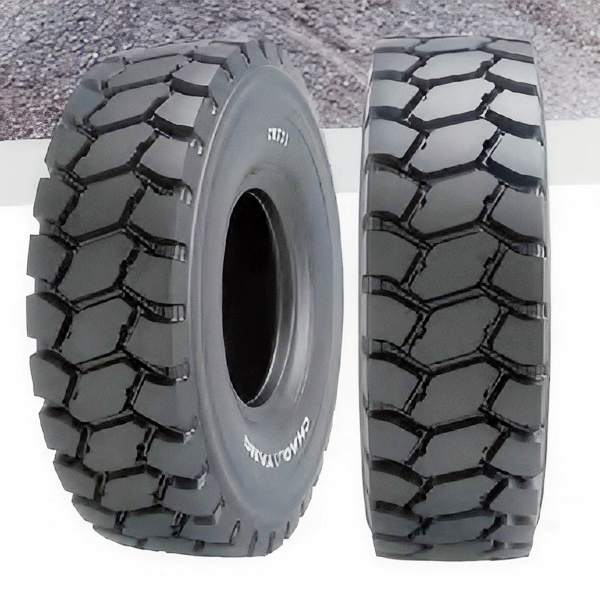
Regulatory Foundations: MSHA, OSHA, and TRA Standards for OTR Tires
MSHA Part 46/48 and OSHA 1926 Subpart F: Core Compliance Requirements for OTR Tire Use in Mining
Mining companies need to follow both MSHA Part 46/48 training rules and OSHA 1926 Subpart F guidelines when it comes to handling materials, especially for off-the-road tire safety. The regulations actually cover several important areas including training operators about dangers related to tire inflation, managing loads properly, and knowing how to get safely on and off equipment. There's also OSHA regulation number 29 CFR 1910.212 that specifically deals with tire service equipment. This one requires putting up protective guards around any parts that move while work is being done. Failing to meet these standards can lead to serious financial consequences too. Last year alone, MSHA was handing out average fines over $156,000 for each violation they found. Practical day-to-day requirements involve keeping tabs on pressure levels in those multi-piece rims, making sure there are written records from daily checks before operation starts, and always having proper protective gear ready whenever maintenance work happens. All these measures matter because statistics show that problems with tires account for about 18% of all major accidents involving heavy machinery in mines.
TRA MS-15 & MS-16: Load, Speed, and Construction Benchmarks Defining OTR Tire Safety Certification
The Tire and Rim Association's MS-15 and MS-16 standards define the technical foundation for OTR tire certification through standardized performance testing. These benchmarks ensure tires can withstand the mechanical and thermal extremes of surface mining:
| Parameter | MS-15 Requirement | MS-16 Requirement |
|---|---|---|
| Load Capacity | Dynamic load testing at 8 km/h | Static load index validation |
| Speed Rating | 10 km/h sustained operation | 16 km/h peak burst testing |
| Construction | 24+ ply rating verification | Steel belt integrity checks |
Improper load distribution causes 34% of premature OTR tire failures—making TRA compliance essential. Certification requires passing endurance tests simulating 10,000 operational hours, validating heat resistance and structural integrity under 400-ton haul truck loads. Before deployment, manufacturers must supply third-party test documentation confirming adherence to ISO 4223-1 durability standards.
Key OTR Tire Specifications That Drive Regulatory Compliance
Load Index, Ply Rating, and Derating: How 24-Ply+ Radial OTR Tires Meet ISO 4223-1 and MSHA Mandates
OTR radial tires rated at 24 plies or more satisfy the ISO 4223-1 standards because they spread the weight over reinforced steel belts. These are essential for heavy-duty haulage equipment working in tough conditions. According to MSHA regulations (Part 48), operators need to reduce stated load capacities by around 15 to 20 percent when dealing with steep grades or rough terrain to avoid tire blowouts. Take a tire advertised for 12,000 kg capacity at 40 km/h speed as an example it actually needs about 18% less weight capacity on uneven ground slopes. This kind of load adjustment helps keep the tire structure intact while still providing enough grip for safe operations. Modern rubber formulations stand up better against rocks penetrating deeper than 30 mm which matters a lot since this depth mark determines how much heat builds up inside the tire during long shifts.
Speed Rating and Thermal Performance: Why R-1, L-2, and E-3 Tread Patterns Are Critical for High-Speed Haul Trucks
The way tires are designed plays a big role in managing heat when running at speeds similar to highways. For example, R-1 tread patterns have those deep lugs combined with circular grooves that kick out rocks between 45 and 55 kilometers per hour. Then there's the L-2 setup which boasts stronger shoulder blocks that actually get rid of heat about 8 percent better than regular designs. And don't forget about E-3 treads with their zigzag siping that cuts down internal temps by around 12 to 15 degrees Celsius during those sudden stops. All these officially approved tread designs help prevent tire wear when dragging loads over 380 tons through long stretches of mining roads. The special autoclavable materials can handle temperature spikes from 120 to 150 degrees Celsius, going beyond what TRA MS-16 standards require thanks to something called controlled hysteresis. Plus, manufacturers put heat vents right where they count most - in the bead area - so air flows better and lowers the chances of blowouts after hours of continuous operation.
Equipment-Specific OTR Tire Compliance Across Surface Mining Applications
Mining operations depend on all sorts of heavy machinery like haul trucks, wheel loaders, dozers and graders, and each piece needs off-the-road tires designed specifically for their particular job requirements. The big ultra class haul trucks require those massive 57 inch radial tires rated at 40 plus plies just to handle loads exceeding 400 tons. For articulated dump trucks, flexible sidewalls combined with R1 treads help keep them stable even when navigating steep and rough terrain. Loaders get special tires with extra strong bead bundles because they take so much punishment from constant shovel loading. Graders meanwhile need tires made from materials that resist cuts since they're constantly working through packed surfaces. Getting the right tires isn't just good practice it's actually something MSHA inspectors check regularly during their Part 46 audits. Companies caught using wrong tires face serious penalties around $74k per violation according to recent data from MSHA. To stay compliant, operators should compare original equipment manufacturer load charts against TRA speed and load guidelines to make sure every tire meets both what the manufacturer recommends and what regulations demand based on specific haul routes and the type of material being moved.
Operational Compliance: Inspection, Maintenance, and Documentation for OTR Tire Audits
From Daily Visual Checks to MSHA-Recognized NDT: Validating OTR Tire Integrity Pre-Deployment
Getting operations compliant really comes down to three main things: regular inspections, staying ahead of maintenance issues, and keeping documents ready for audits when needed. Start off with those basic daily looks around for any cuts, bulges, or weird wear patterns. These simple visual checks actually cut down failure risks by about 40%, according to MSHA data from last year. When looking deeper into things, companies should consider using MSHA approved Non-Destructive Testing techniques such as shearography or ultrasound scans. These methods catch internal problems like separation between layers or damage within plies that nobody can see just by looking at them. Combine this testing approach with ongoing pressure monitoring since we know that under inflated tires are responsible for roughly 70% of early failures in off-the-road equipment. Maintenance work needs to stick closely to what the original equipment manufacturer recommends plus meet TRA standards too. Keep track of tread depths (at least 25mm is required for haul roads), check those sidewalls for reinforcement after every 500 hours of operation, and make sure pressure gauges are properly calibrated right before starting each new work shift.
Digital logging streamlines documentation and strengthens audit readiness. Retain all records for seven years to satisfy MSHA Part 48 requirements:
| Inspection Type | Frequency | Key Metrics Tracked |
|---|---|---|
| Visual Checks | Daily | Cuts, abrasions, embedded debris |
| NDT Scans | Quarterly | Internal separations, ply damage |
| Pressure Validation | Pre-shift | PSI vs. load-specific requirements |
Integrating these practices reduces unplanned downtime by 60%, according to industry-leading OTR tyre management guidelines.
Frequently Asked Questions
What are the key compliance standards for OTR tires in mining?
Key compliance standards include MSHA Part 46/48 for training, OSHA 1926 Subpart F for material handling, and TRA MS-15 & MS-16 for technical certification of tires.
Why is TRA compliance essential for OTR tires?
TRA compliance is essential because improper load distribution can cause 34% of premature OTR tire failures. Adhering to TRA standards ensures tires can withstand mechanical and thermal extremes.
How do OTR tire specifications like ply rating and speed rating affect safety?
Specifications like 24-ply ratings and speed ratings affect tire strength, weight distribution, and heat management, making them crucial for safe mining operations.
Table of Contents
- Regulatory Foundations: MSHA, OSHA, and TRA Standards for OTR Tires
- Key OTR Tire Specifications That Drive Regulatory Compliance
- Equipment-Specific OTR Tire Compliance Across Surface Mining Applications
- Operational Compliance: Inspection, Maintenance, and Documentation for OTR Tire Audits
- Frequently Asked Questions