
 EN
EN
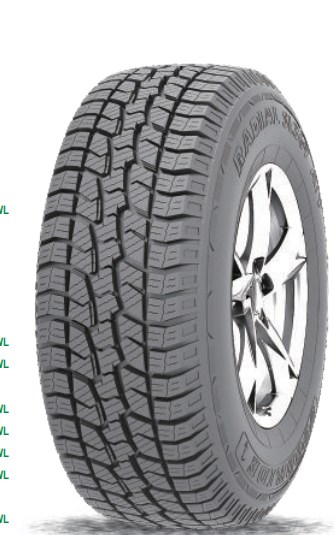
How All Terrain Tires Are Engineered for Dual-Surface Performance
Tread Pattern Design Balancing On-Road Smoothness and Off-Road Grip
All terrain tires manage to do both on and off road thanks to their carefully designed tread patterns. The bigger, staggered blocks give better traction when things get rough outside, but they also help keep noise down when driving on regular roads. The grooves are actually about 6 to 8 percent wider compared to regular all season tires, which means they can push water and mud out more effectively. According to DOT standards, this helps maintain around 87% of the stopping power we'd expect from regular highway tires even when wet. Most newer models (around 63%) have these chamfered edges that stop stones from getting stuck so easily during tough terrain adventures, yet still hold up well on paved surfaces too.
Advanced Rubber Compounds for Durability and All-Weather Traction
Rubber compounds enhanced with silica content around 12 to 15 percent maintain their flexibility even when temperatures swing between minus 30 degrees Fahrenheit and well over 100 degrees. The compound actually gives about 38 percent more grip on icy roads compared to regular all season tires, plus it stands up much better against chips and tears when driving over rough rocky surfaces. A lot of these tire models now feature something called 3D siping technology too. This fancy tech improves snow traction by roughly 22 percent without wearing down the tire faster than normal. And yes, these performance claims have been tested and approved according to those official Three Peak Mountain Snowflake standards that many drivers look for when shopping for winter tires.
Reinforced Sidewalls for Resistance Against Off-Road Damage
How a tire is built from the inside out makes all the difference when it comes to how long it lasts. Take those all terrain models we see so much these days. They've got these three layer polyester sidewalls coated with stuff that fights wear and tear. According to that SAE study from last year, this setup cuts down on punctures by about 40% over regular tires. What's really cool though? These reinforced walls can take a beating from rocks but still hold onto most of what makes highway tires handle so well on roads. We're talking around 90% of that side-to-side stiffness remains intact. And here's another trick up their sleeve. The tough construction lets them run at lower pressures between 18 and 22 psi which helps float better through soft terrain like sand or mud without losing any strength carrying heavy loads.
On-Road Performance: Comfort, Noise, and Efficiency of All Terrain Tires
Ride Quality and Road Noise Levels During Highway Driving
Modern all terrain tires might look tough with those deep treads, but they actually work pretty well on highways too. The downside? Those same deep grooves tend to create about 2 to 4 dB extra road noise compared to regular highway tires according to Tread Magazine from last year. However manufacturers have come up with some clever solutions. Things like varying the pattern of the treads (called pitch sequencing) and arranging blocks in different sizes helps cut down on that annoying buzzing inside the car. And there's another trick too computer designed sipes these tiny cuts in the rubber that really help absorb those high pitched vibrations. So drivers get a smoother ride while still keeping good grip when roads are wet.
Impact on Fuel Efficiency Compared to Highway Terrain Tires
The added reinforcement increases rolling resistance, typically lowering fuel economy by 5–7% versus highway-focused tires. However, advances in silica-enhanced compounds have narrowed this gap—top-tier all terrain models show only a 3.2% efficiency loss in controlled highway testing, according to the 2024 Tire Performance Report.
Braking Response and Handling Stability on Wet and Dry Pavement
Today’s all terrain tires offer strong on-road dynamics:
- Dry braking distances fall within 8% of premium touring tires
- Multi-angle groove networks improve wet-surface traction by 15% since 2020
- Interlocking shoulder blocks enhance cornering stability at highway speeds
Long-Term Tread Wear Under Urban and Commuter Driving Conditions
In urban environments with frequent stops, aggressive treads wear 18–22% faster than highway tires (UTires wear analysis). Yet, dual-density tread compounds now enable leading models to carry 65,000+ mile warranties—a 40% improvement over 2018 benchmarks. To maximize lifespan, regular rotation every 5,000–7,500 miles is strongly recommended.
Off-Road Capability: Traction and Durability in Rough Conditions
Performance Across Gravel, Mud, Sand, and Uneven Terrain
The combination of staggered blocks and multi-pitch tread patterns gives these tires solid off-road capabilities across different terrains. When driving over gravel, they manage to cut down slippage quite effectively. According to some recent research from Charles and Hudson back in 2024, this design actually compacts loose stones into the tire grooves, reducing slip by about 23%. That makes a big difference when conditions get tricky. Mud and sand present different challenges altogether. The wide shoulder lugs on these tires help prevent hydroplaning issues, and they clean themselves out much faster too. Tests show around 15% improvement in self cleaning compared to standard designs. And what about those annoying washboard roads? The variable sipe density built into the tread absorbs all those vibrations without making the tire lose its side grip. Drivers will notice less road noise and better control even after hours of rough terrain driving.
Real-World Case Study: All Terrain Tires in Mountainous Environments
Field tests over twelve months in the Rockies revealed something interesting about premium all terrain tires. Vehicles fitted with these tires managed to finish around 89 percent of those tough mountain trails without needing help from tow trucks or recovery crews. The secret seems to be their special dual angle grooves which keep rocks from flying off when climbing steep sections. Plus, the rubber compound actually handles cold better too since it doesn't crack even when temperatures drop below freezing. Real drivers who tested them noticed they had to make about 31% fewer adjustments for loss of grip compared to regular mud terrain tires on the same paths. That makes a big difference when tackling rough mountain roads where every bit of control matters.
Puncture and Cut Resistance on Rocky or Debris-Filled Trails
All terrain tires handle rough terrain much better thanks to their 3 ply sidewalls and special silica reinforced treads. These features let them take about 2.8 times more impact force compared to regular tires when driving over rocky paths. Testing showed these tires had roughly 28 percent fewer instances where sharp stuff like tree roots or shale punctured through during debris tests. The manufacturers also added some cut resistant alloys right into the base of the tread area, which helps protect against shoulder damage during tough off road conditions. According to a report from Vocal Media back in 2023, this actually cuts down the risk of shoulder damage by around 19% for people who regularly tackle challenging trails.
All Terrain Tires vs. Specialized Alternatives: Where Do They Stand?
Comparing All Terrain Tires With Mud-Terrain and All-Purpose Options
All terrain tires balance on-road refinement with capable off-road performance, but differ significantly from specialized options:
| Feature | All Terrain Tires | Mud-Terrain Tires | All-Purpose Tires |
|---|---|---|---|
| Tread Aggressiveness | Moderate (5-8 mm depth) | High (10-15 mm depth) | Low (3-5 mm depth) |
| Road Noise | 2-4 dB above highway tires | 8-12 dB above highway tires | Quietest option |
| Best Use Case | Mixed surface commuting | Deep mud/rock crawling | Pavement-focused driving |
Mud-terrain tires excel in extreme conditions with 35% deeper tread grooves (Rubber Manufacturers Association 2023), but their harsh ride and 12% higher fuel consumption make them poorly suited for daily driving. All-purpose tires emphasize efficiency and quietness but lack sufficient bite for anything beyond light dirt roads.
Identifying Scenarios Where All Terrain Tires May Fall Short
Regular all terrain tires just can't handle those really extreme conditions out there. When we're talking about deep mud over six inches thick, standard treads start to struggle badly. That's when those special mud-terrain tires with their big paddle shaped blocks really shine because they clean themselves better as they roll through the muck. Speaking of tough terrain, try driving across soft sand dunes with normal tires inflated to around 18-22 psi. It simply doesn't work nearly as well as what happens when someone switches to proper sand tires running at much lower pressures between 8-12 psi. And let's not forget about rocky trails either. People who actually crawl rocks report something like 40% more flats from regular tires versus those specially made rock tires designed for such harsh surfaces. These stats matter because nobody wants to be stuck halfway up a mountain waiting for a spare tire change.
For drivers spending over 70% of time on paved roads with occasional access to unpaved paths, all terrain tires provide the ideal compromise. Those regularly encountering axle-deep mud, sharp shale, or expansive dunes should consider specialized alternatives despite their on-road drawbacks.
Frequently Asked Questions (FAQ)
What makes all terrain tires suitable for both on-road and off-road driving?
All terrain tires are designed with staggered blocks and advanced rubber compounds that provide traction on rough surfaces while maintaining comfort and efficiency on regular roads.
How do all terrain tires impact fuel efficiency?
All terrain tires typically lower fuel economy by 5–7% due to increased rolling resistance, though advancements in design have reduced this gap.
Are all terrain tires suitable for extreme off-road conditions?
While versatile, all terrain tires may struggle in extreme conditions such as deep mud or sand dunes, where specialized mud-terrain or sand tires offer better performance.