
 EN
EN
Ինչպե՞ս են բոլոր տեսակի երթևեկության համար նախատեսված ցանցապատերը հասնում 85%+ մակերեսային մաշվածության գետնի և ճանապարհի վրա
Երկու մակերեսների մարտահրավերը. ինչու՞ ձախողվում են մեծամասնություն ցանցապատերը հավասարակշռել գետնի և ճանապարհի մակերեսային մաշվածությունը
Սովորական անվատակները մեծ դժվարություն են ունենում գտնելու ճիշտ հավասարակշռությունը կաղնու և ճանապարհի վրա լավ աշխատելու համար, քանի որ մեկ մակերեսի համար աշխատողը հիմնականում հակասում է մյուսի համար անհրաժեշտին: Հաղորդակցության համար նախատեսված ձևավորումները արագ լցվում են, երբ ընթանում են կաղնով միջով, ինչը կարող է փաստացի շփման տարածքը նվազեցնել մոտ 40 տոկոսով: Մյուս կողմից՝ խորը կաղնու համար նախատեսված շատ ագրեսիվ ձևավորումները իրականում վատացնում են իրավիճակը սովորական ճանապարհների վրա, քանի որ ստեղծում են շատ մեծ տարածություն տրամադրված մասերի միջև և թույլ են տալիս ձևավորման մեծ ճկունություն: Ինչ է կատարվում? Ճանապարհի վրա կառավարումը վտանգավոր է դառնում, երբ որևէ մեկը հանկարծակի փոխում է մեկ տեղանքից մյուսին, ինչը հենց այն է, ինչ շատ օֆռոդ սիրահարները անընդհատ անում են: Վերջնականապես՝ սա բխում է հիմնարար ֆիզիկական սկզբունքներից: Կաղնուց ազատվելու համար անհրաժեշտ են ձևավորման մասերի միջև մեծ տարածություններ, իսկ ճանապարհի վրա լավ մակերեսային մնալու համար անհրաժեշտ է խիտ տեղադրված կաուչուկ, որը կմնա կայուն այն մակերեսին, որին շփվում է:
Հիմնարար ինժեներական լուծումներ՝ փոխադարձ կապված տրակտորային բլոկներ, փոփոխական թռույցով սղոցում և երկակի միացում ունեցող կաուչուկ
Բոլոր տեսակի երթևեկելի հատվածների համար նախատեսված ամենաբարձր արդյունավետությամբ անվադողերը լուծում են այս հակասությունը երեք ինտեգրված նորարարությունների շնորհիվ.
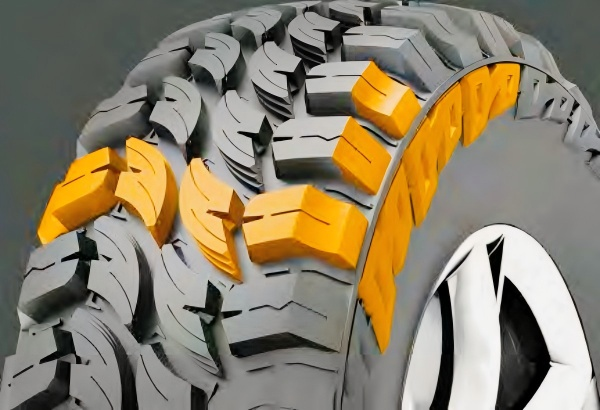
- Փոխադարձ կապված տրակտորային բլոկներ ուժեղացված կողային տարրերը պահպանում են կոշտությունը ճանապարհին, միևնույն ժամանակ ճկվելով՝ հնարավորություն տալով կավի հեռացմանը՝ պահպանելով ավելի քան 90% շփման մակերեսը երթևեկելի հատվածի փոփոխության դեպքում
- Փոփոխական թռույցով սղոցում ալիքաձև մանր ակոսները պահպանում են կտրող եզրերը կավում՝ առանց վատթարացնելու կաթվածքի կամ սառույցի վրա մնացող մակերեսի մաքսիմալ մնացող մակերեսը, բարելավելով արդյունավետությունը 25%-ով համեմատած սովորական սղոցման դասավորությունների հետ
- Երկակի միացում ունեցող կաուչուկ մեղքի ավելի փափուկ տրակտորային շերտերը (55–60 Շոր Ա) բարելավում են կավի կպչունությունը, մինչդեռ ավելի կոշտ կենտրոնական միացումները (65–70 Շոր Ա) դիմադրում են ճանապարհին մաշմանը՝ երկարաձգելով օգտագործվող տրակտորային շերտի կյանքը 15,000 մղոնով վերահսկվող մաշվածության փորձարկումների ընթացքում
Այս հատկանիշները գործում են սիներգիայով. իրար մեջ փաթաթված բլոկները ապահովում են կառուցվածքային ամրություն, sipes-երը տալիս են ադապտիվ միկրոռակտիվություն, իսկ գոտիներով բաժանված միացությունները նյութի վարքագիծը հարմարեցնում են յուրաքանչյուր ցողունի գործառական դերին:
Վավերացված են լավագույն 3 տերենային ցողունները՝ համակցված միացման համար 85% և ավելի
BFGoodrich KO2. 87,2% կավային հող / 91,5% չոր մակերես լաբորատոր փորձարկումների ընթացքում
BFGoodrich KO2-ը ցուցադրում է երկակի մակերեսի աշխատանքի հիմնարար հնարավորություն՝ հասնելով 87,2% միացման ցուցանիշի կավային հողի վրա և 91,5% միացում չոր մակերեսի վրա՝ ստանդարտացված SAE-ին համապատասխան լաբորատոր փորձարկումների ընթացքում: Դրա CoreGard¢ թելադրված կառուցվածքը և փոխազդող, փոխհատուցված կողային բլոկները հնարավորություն են տալիս արագ հեռացնել աղտոտությունը՝ ավտոմայրուղու կառավարման ճկունությունը պահպանելով՝ հավասարակշռություն, որը վավերացվել է կրկնվող մակերեսների փոխանցման ցիկլերի ընթացքում:
Toyo Open Country A/T III. 85,6% միջին ցուցանիշ՝ խոնավ կավային հողի, շաղախի և ասֆալտի վրա
Անկախ աղբյուրների փորձարկումները ցույց են տալիս, թե ինչքան համապատասխան է Toyo Open Country A/T III-ն, որն ունի 85,6% մակերեսային մաշվածության վարկանիշ խոնավ կավից մինչև շառախոտ շաղախ և սովորական ասֆալտ տարբեր մակերեսների վրա: Ինչն է այս անվատակը առանձնացնում։ 3D բազմաչափ սիպինգը համատեղված 38% խոռոչի հարաբերակցության հետ օգնում է կանխել հիդրոպլանացման վտանգը: Նույն ժամանակ այն պահպանում է քարերի արտանետման կարևոր հատկությունները և ապահովում է լավ լատերալ կայունություն: Այս հատկանիշներն են վարորդներին անհրաժեշտ հուսալի ղեկավարում տալիս, երբ ճանապարհները հանկարծակի դառնում են անհարթ կամ պայմանները անսպասելիորեն փոխվում են:
Falken Wildpeak A/T4W. Արտակարգ աշխատանք խոնավ կավի վրա (89,4%), չնայած չափավոր UTQG վարկանիշին
Վերահսկվող փորձարկումների ընթացքում Falken Wildpeak A/T4W-ն հավաքել է 89,4% խոնավ կավի տրակցիա՝ գերազանցելով շատ բարձր UTQG ցուցանիշ ունեցող մրցակիցներին: Նրա պատենտավորված 3D Canyon Sipes-ը և ջերմությունը ցրող՝ սիլիցիով հարստացված միադրությունը պահում են ցածր ջերմաստիճանի ճկունությունը գետնափոշու մեջ, միևնույն ժամանակ դիմադրելով ճանապարհի մաշմանը, ինչը ցույց է տալիս, որ UTQG վարկանիշները միայնակ չեն կարող կանխատեսել իրական աշխարհում տրակցիայի ճշգրտությունը:
Հիմնարար կոնստրուկտիվ գործոններ, որոնք առավելագույնի են հասցնում ամենամակերեսային ցուցանիշների տրակցիան
Լուգի խորություն (15–18 մմ), անջատման հարաբերական մակերես (35–42%) և կողի կտրման անկյուն. Խառը մակերեսների համար օպտիմալ ցուցանիշներ
Երեք չափելի կոնստրուկտիվ պարամետրեր են կառավարում համատեղված տրակցիայի հաստատուն ≥85% ցուցանիշը.
- Լուգի խորություն (15–18 մմ) հավասարակշռում է խորը գետնափոշու թափանցման և ճանապարհի կայունության միջև՝ ավելի հարթ լուգերը չեն ունենում անհրաժեշտ անսանդուղքային կցման ուժ, իսկ ավելի խորը լուգերը մեծացնում են ճանապարհի աղմուկը և նվազեցնում են բարձր արագության վերահսկողությունը
- Անջատման հարաբերական մակերես (35–42%) ապահովում է արդյունավետ կաղնոցի և ջրի հեռացում՝ առանց կոնտակտային հարթության ամբողջականությունը կորցնելու, իսկ արդյունաբերական մաշվածության փորձարկումները հաստատել են 23% ավելի արագ աղբի հեռացում՝ ստանդարտ հարաբերակցությունների համեմատ
- Ուսի կտրվածքի անկյուն (45°–50°) առավելագույնի հասցնում է լատերալ կապը ազատ տարածքում՝ նվազագույնի հասցնելով թրթռոցը և անհավասար մաշվածությունը ճանապարհին
Այս երեք սպեցիֆիկացիաներին համապատասխանող անվադողերը հասնում են.
- Գրեթե լրիվ դիմադրություն ավազանոցի խցանմանը ծանր կավում
- պահպանվում է չոր ճանապարհի 94% կոնտակտային մակերես
- 31% ցածր հիդրոպլանացման ռիսկ (SAE J2717-2022)
Բացահայտումները ներառում են ակնհայտ փոխզիջումներ. 35%-ից ցածր անօդության հարաբերակցությունը 40%-ով մեծացնում է կաղնոցի կուտակումը. 50°-ից բարձր անկյունները արագացնում են ուսի մաշվածությունը և վտանգում են ուղղագիծ կայունությունը:
Իրական աշխարհի վավերացում. Դաշտային փորձարկումներ և սպառողական տվյալներ՝ հաստատելով 85%+ ամբողջական տեղանքի անվադողերի մակերեսային կապը
2023 թ. Օրեգոնի DOT-ի ֆինանսավորած փորձարկում կաղնոցի վրա (N=47). ամենաբարձր դասի ամբողջական տեղանքի անվադողերի մոտ 89,1% միջին կաղնոցային կապ
Օրեգոնի տրանսպորտի դեպարտամենտը ֆինանսավորել է հողմամբ և կավով լի թեքություններում 47 լավագույն ամբողջ տեղանքի անվադողերի փորձարկում: Ամենաբարձր ցուցանիշ ունեցող անվադողերը կավում ցուցաբերել են մոտ 89% մակայնության ցուցանիշ, որը տարիներ շարունակ համապատասխանում է լաբորատորիաներում ցուցադրված արդյունքներին՝ իրական աշխարհի մարտահրավերների դեմ կայծակների դեպքում, ինչպիսիք են երկար բարձրացող ճանապարհները և խոնավության փոփոխվող մակարդակները: Գործնականում սա նշանակում է, որ երբ արտադրողները ճիշտ են ընտրում եզրակալի նախագիծը և ռետինի խառնուրդը, վարորդները ավելի վստահ են զգում անվասլաքի հետևում և ավելի լավ են կառավարում անհարթ տեղանքը:
Բաղանոցների զեկույց. 12-ամսյա մաշվածության և մակայնության կապ. եզրակալի խառնուրդի կայունությունը կանխատեսում է երկարաժամկետ մակայնության պահպանումը
Ըստ Consumer Reports-ի 12 ամիս տևած փորձարկումների տարբեր տեսակի երթևեկելի մակերեսներում, ակնհայտ կապ կա անիվների տեսակի կայունության և դրանց մակերեսի վրա կպչունությունը պահպանելու ունակության միջև: Սիլիցիոմ ամրապնդված՝ ջերմային կայուն նյութերից պատրաստված անիվները իրենց ամբողջ կյանքի ընթացքում պահպանել են ավելի քան ութսունհինգ տոկոս կպչունություն ճանապարհների, շաղախի և կոշտ մակերեսների վրա: Այդ անիվները ժամանակի ընթացքում կարծրանում են, ճեղքվում են լարվածության տակ կամ անհավասարաչափ մաշվում են, ինչպես սովորաբար անում են ավելի էժան անիվները: Երկարատև արդյունքները նշանակում են, որ վարորդները կարող են անընդհատ վերահսկել ավտոմեքենան շրջադարձերի կամ արգելակման ժամանակ, ավելի հազվադեպ են պետք է փոխեն անիվները և, ի վերջո, պահպանում են կարևորագույն անվտանգության ամրապնդումը՝ նույնիսկ երբ անիվները նոր են գնված:
Հաճախ տրամադրվող հարցեր
Ինչո՞ւ են բոլոր տեսակի երթևեկելի մակերեսների համար նախատեսված անիվները տարբերվում սովորական անիվներից:
Բոլոր տեսակի երթևեկելի մակերեսների համար նախատեսված անիվները նախագծված են՝ ապահովելու մակերեսի տարբեր տեսակների վրա կպչունության հավասարակշռություն՝ սկսած կավից մինչև ասֆալտ: Դրանց անիվների նախշերը նախատեսված են տարբեր երթևեկելի մակերեսների միջև անցումները ավելի արդյունավետ կերպով կառավարելու համար, քան սովորական անիվները:
Ինչ նշանակություն ունեն ամբողջ տեղանքի համար նախատեսված ցանցերի շեղական նախշերը:
Շեղական նախշերը պահպանում են կոշտությունը ասֆալտապատ մակերեսներին, միևնույն ժամանակ ճկվում են՝ թույլ տալով գետնի հեռանալը: Այս կոնստրուկցիան օգնում է պահպանել ցանցի շփման մակերեսը՝ նույնիսկ արագ փոփոխվող տեղանքի դեպքում:
Ինչու՞ է կրի երկակի խառնուրդը կարևոր այս ցանցերի համար:
Երկակի խառնուրդի կոշտությունը բարելավում է ցանցի աշխատանքը՝ օգտագործելով տարբեր կոշտության կաուչուկներ: Մեղմ արտաքին նախշերը բարձրացնում են մակարդակը գետնի վրա, իսկ ավելի կոշտ կենտրոնական մասերը ավելի են մաշվող ասֆալտապատ ճանապարհներին, ինչը վերջնականապես երկարաձգում է ցանցի կյանքի տևողությունը:
Ինչպե՞ս են անջատման հարաբերակցությունը և կողային կտրման անկյունը ազդում մակարդակի վրա:
35-42% անջատման հարաբերակցությունը օգնում է մաքրել ցանցը գետնից և ջրից՝ առանց շփման մակերեսի ամբողջականությունը կորցնելու, իսկ կողային կտրման անկյունը առավելագույնի է հասցնում լայնական մակարդակը անկայուն պայմաններում և նվազագույնի է հասցնում մաշվածությունը ասֆալտապատ ճանապարհներին:
Բովանդակության սեղան
- Ինչպե՞ս են բոլոր տեսակի երթևեկության համար նախատեսված ցանցապատերը հասնում 85%+ մակերեսային մաշվածության գետնի և ճանապարհի վրա
- Վավերացված են լավագույն 3 տերենային ցողունները՝ համակցված միացման համար 85% և ավելի
- Հիմնարար կոնստրուկտիվ գործոններ, որոնք առավելագույնի են հասցնում ամենամակերեսային ցուցանիշների տրակցիան
- Իրական աշխարհի վավերացում. Դաշտային փորձարկումներ և սպառողական տվյալներ՝ հաստատելով 85%+ ամբողջական տեղանքի անվադողերի մակերեսային կապը
-
Հաճախ տրամադրվող հարցեր
- Ինչո՞ւ են բոլոր տեսակի երթևեկելի մակերեսների համար նախատեսված անիվները տարբերվում սովորական անիվներից:
- Ինչ նշանակություն ունեն ամբողջ տեղանքի համար նախատեսված ցանցերի շեղական նախշերը:
- Ինչու՞ է կրի երկակի խառնուրդը կարևոր այս ցանցերի համար:
- Ինչպե՞ս են անջատման հարաբերակցությունը և կողային կտրման անկյունը ազդում մակարդակի վրա: