
 EN
EN
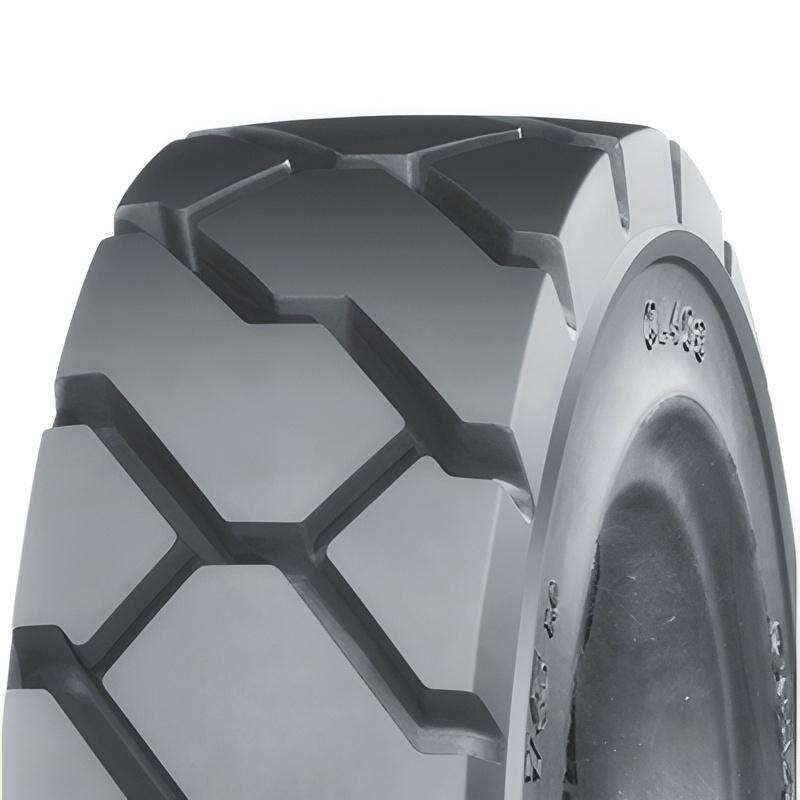
Кыймыл-Таштанды Буйлуктарынын ылайыктуулугун Тастыктоо: Бүтүн Сатылган Тирелер үчүн DOT, ECE жана ISO 9001
Байламдарды Көптөн Көтөрүп Жеткирүүдөгү DOT Коддорун Таңдоо жана Сериялык Изилдөө
Транспорт бөлүмүнүн (DOT) коддорун текшерүү бүтүн сатылган тирелерди сатып алуучулар үчүн маанилүү. Ар бир код иштетүүнүн маанилүү маалыматтарын камтыйт:
- Акыркы төрт цифра (мисалы, "3223") өндүрүштүн аптасы менен жылын көрсөтөт (2023-жылдын 32-аптасы)
- Завод коддору кемчиликтин изин кайда кармоо үчүн чыгыш жерин аныктоого мүмкүндүк берет
- Кезектүү сандар сапат маселелери туулганда партияны так айыптоого мүмкүндүк берет
Таштамал үчүн бардык шиналар боюнча бирдиктүү партиялык ID дубаланууга жана өзгөчөлүктөргө бириктирилет. 2023-жылы коммерциялык таштыруулардын 40%дан ашында DOT партиясынын номерлору дал келбей калган, бул изилдөөнүн маанилүүлүгүн көрсөтөт.
ECE R30/R117 жана ISO 9001 сертификаттарын камсыз кылуу үчүн жеткирүүчү документтерин текшерүү
Жеткирүүчүнүн документтерин ЕКЕ (Европалык экономикалык комиссия) жана ISO 9001 стандарттары менен салыштырып, талаптарга ылайыктуулугун текшериңиз. Негизги текшерүүлөр төмөнкүлөрдү камтыйт:
- Бар болушу ECE R30 (жолоочулар үчүн шина) же R117 (калыңдоо каршылыгы жана чыбыр жылдырык) этикеткалары шинанын жактарында
- Аккредитацияланган уюм тарабынан берилген жарактуу ISO 9001 сертификат номерлери
- Жаңылган 24 ай ичинде чыккан үчүнчү тараптын лабораториялык сынама берүүсү
2022-жылкы ЕАБ таштандылар боюнча маалыматтарга ылайык, талаптарга ылайык келбеген шиналардын 70% кем тийишүү коркунучун көтөрөт. Жоопкерчиликтен коргоо жана кедендик тазартуу үчүн даими дипломдорду сактап туруңуз.
Өнүгүштүк баалууларын текшерүү: ТОП шиналар үчүн UTQG жана 3PMSF сертификаты
Үлкөн тапшырыштарда шина бетинин изи, тартуу жана температура класстарын түшүнүү
UTQG системасы, бирдиктүү шина сапатынын баалуусу деп которулат, көптөгөн шиналарды баалоонун негизги жолу болуп саналат. 300 санындай тээликтин изинин баалоосун карасак, бул жерде биз эталондук шинага салыштырмалуу шинанын канчалык узакка чыгышын көрсөтүүчү көрсөткүчтү көрүп жатабыз. Жогору сандар, адатта, узакка чыгышын билдирет, бирок чындыгында жүрүлгөн жол алып жүрүшкө жана адам кайсы бир аба ырайына туташ болушуна жараша көп өзгөрүшү мүмкүн. Жылгак жолдордо токтоо үчүн шиналар AAдан Cге чейин бааланат. Бул баалоолордун ортосундагы айырма практикада да чоң мааниге ээ - AA баалуу шиналар саатына 50 миля менен жүрүп, C баалуу шиналарга караганда 15-30 футка чейин кыскараак токтошот. Андан соң Aдан Cге чейинки температура шкаласы бар, ал шиналардын жылуулук жыйналышын кантип башкараарын көрсөтөт. Бул жолдордун температурасы көтөрүлгөндө, ысык климатта же жай мезгилинде узакка жүргөндө коммерциялык транспорттук каражаттар үчүн бул өтө маанилүү.
Топ өлчөмдөгү заказдар үчүн жөнөтүүнүн 10% тирийүсүнүн UTQG этикеткаларын текшериңиз. Бир партиядагы тире өлчөмүндөгү 10 баллдык айырма өндүрүштүн сапатынын бирдиксиздигин көрсөтүшү мүмкүн.
3PMSF (Жалбырак) белгисинин чындыгын жана үчүнчү тараптын лабораториясынын билдирүүлөрүн текшерүү
Үч бадыраалы тоо кары (3PMSF) белгиси кышкы мезгил үчүн сертификатталат жана шиндердин стандарттуу жалпы мезгил шиндеринен кеминде 10% жакшы кар үстүндөгү тартууну камсыз кылуусун талап кылат. Жасалма белгилер убакыттын бир жылында оптомчулар үчүн 740 миң долларлык чакырып алуу чыгымдарына алып келет (Ponemon 2023). Текшерүү үчүн:
- Шиндин DOT кодуна ылайык келген ISO 17025-ге ылайыктуу лабораториялык билдирүүлөрдү талап кылыңыз
- Чындап 3PMSF логотиптериндеги голографиялык коопсуздук элементтерин аныктоо үчүн УК жарыкты колдонуңуз
- Кар үстүндөгү тартууну текшерүү үчүн портативдүү динамометрлерди колдонуп текшерүүнү өткөрүңүз
Партияга тиешелүү сынама маалыматтарын берген жеткизүүчүлөр чечилбей калган сапат боюнча талаптарды 40% кыскартат, демек документтердин жаңылыгы ишенчтүүлүктүн негизги көрсөткүчү болуп саналат.
Жөнөтүү алдында оптомдук шиндерге физикалык сапат текшерүүнү өткөрүңүз
Юридикалык жана OEM минимумдарына каршы шиналардын тэдрин жана бороздолордун бүтүндүгүн өлчөө
Шиналардын тайгакка чейинки издерин текшергенде, туура өлчөө куралдарын колдонуп, ар бир шинанын бетинин бир нече жеринен окууларды алуу эң жакшы практика болуп саналат. Мыйзамда жалпысынан шиналардын калдыгы 1,6 мм аз болбошу керек деп айтылган, бирок автоунаа иштетүүчү компаниялар күйгүнчүл ырай жагдайында жакшы башкаруу үчүн алар 3 ммге чейин тайгакка түшкөндө алмаштырууну кэсипкана кылат. Кайсы бир адаттан тыш из түзүлбөсүн үчүн шиналар орнотулган учурда жазылган маалыматтар менен бул сандардын дал келешине мүнөздөмө берүү керек. Шиналардын бороздолору таза жана бүтүндөй болушу керек, анткени алар контакт аймагын суудан тазалоого жардам берет. Өткөн жылы NHTSA укуктук талаптарга ылайык келбеген шиналар жаан жаап турганда гидропланирование кылып аварияга дуушар болуунун ыктымалдуулугун 40 пайызга жогорутуусун көрсөткөн изилдөөлөрдөн байкалган.
| Текшерүү метрикасы | Мыйзамда белгиленген минимум | OEM тарабынан кэскиндөө | Иштөөсүнүн токтошунун салдары |
|---|---|---|---|
| Протектордун тереңдиги | 1.6mm | 3.0мм | Жылгач жолдо ылгап калуу |
| Бороздонун бүтүндүгү | Жумшак четтер жок | Анык бурчтар | Сууну чыгаруу начар |
Борттордун кемчиликтерин аныктоо: Сактоо шарттарында кесилүүлөр, ысмырлар жана аба ырайынын трескенүүсү
Жарык шартында жана тактильдүү текшерүүнү жүргүзүңүз. Төмөнкүлөргө көңүл буруңуз:
- Кесилүүлөр же абразивдүү жаракаттар 2 мм ден терең
- Ысмырлар , бул ички ажыроону көрсөтөт
- Аба ырайынын трескенүүсү узақ сактоо же УК-га узакка карата калуу натыйжасында пайда болот
Бул кемчиликттер конструкциялык бүтүндүлүктү бузат жана иштебөө курчурмагын чоңдойт. Бортторунда зааматы бар шиндердин ичинде жардыруулардын кездешүү ыктымалдуулугу төрт эсе жогору (FMCSA 2023). 5% ка эң кем болгондо ашкан партияны кабыл албаңыз. Техниктик талаптарды колдоо жана жоопкерчиликти камсыз кылуу үчүн натыйжаларды убакыт белгилүү сүрөттөр менен түзүп жазыңыз.
Конструкциялык бүтүндүктү камсыз кылыңыз: Бутуштуруу бирдүүлүгү жана курулуштун туура болушу
Оптомдон сатылган шиндердин конструкциялык бүтүндүгү транспорттук каражаттын коопсуздугуна жана флоттардын жалпы иштешине чоң таасирин тийгизет. Шиндердин басымын текшергенде, туура калибрленген манометрлерди колдонуу маанилүү. Окуулар 3 psi дан ашып кетсе, бул шиндин жөгөктөгү орду же герметиктиги менен кыйынчылыктардын белгиси болушу мүмкүн. Пластинкалардын ажырашы же тасмалардын туураланбашы сыяктуу шиндердин ичиндеги жашируун зыянга шектенгенде, көптөгөн дүкөндөр бүгүнкү күндө акустикалык резонанс тесттерин колдонушат. Өткөн жылы NHTSA тарабынан жарыяланган маалыматка ылайык, шиндердин бештен бири үзүлүшүнүн себеби жөнөкөй көздөн өткөрүүдө көрүнбөй турган конструкциялык кемчиликтерге байланыштуу.
Суппликтерди тандоодо бүт айлананын боюнча автоматташтырылган рентген системаларын колдонуучуларды издөө керек. Бул системалар эски, кол менен текшерүүгө салыштырмалуу ички кемчиликтерди үчтөн экиге чейин кыскартат. Сапатты контролдоочулар борттордун жээктеринин берметтиктиги жана ар бир шина тобундагы салмактын бөлүнүшүн жарты пайызга чейин вариацияда кармоо сыяктуу нерселерге көңүл бурушу керек. Чоң тапшырууларды бекитүүдөн мурда цифрлык басым жазууларын чыныгы өзүңүз текшерилип, образец катары алынган шиналарды бөлүк-бөлүккө чейин тактап текшерүү менен салыштыруу маанилүү. Бул эки тарарак ыкма шиналардын ичинде чыныгы эмне болуп жатканын ачык көрсөтөт.
Техникалык талаптардын пара-парын насыят иштөө маалыматы менен салыштырыңыз
Жол жүзүндөгү жол, жүк жана жүргүзүү мүнөзү сыяктуу өзгөрмөлөрдүн себеби менен оптомдук шиналар үчүн лабораториялык техникалык талаптар реалдуу иштөө өстүгүн эсептөөдөн жогору болот. Флот операторлорунун маалыматтары басып чыгарылган өзгөчөлүктөрдөн 15–30% чейин тегерек тозуу айырмаланып, плансыз алмаштырууларга жана иштөө чыгымдарынын жогорулашына алып келет.
Иштөө өстүгүн текшерүү үчүн төмөнкү ыйгарым укукту текшерүү кадамдарын ишке ашырыңыз:
- Катталуу каршылыгын баалоо үчүн транспорттук каражат түрлөрү боюнча отундун эффективтүүлүгүн көзөмөлдөңүз
- Көрсөтүлгөн тартуу классификацияларына каршы чындап токтотуу аралыктарын өлчөңүз
- Ар бир 5000 миля сайын тегерек тереңдигинин жоголушун көзөмөлдөңүз
- Иштөө жүктөрүнө ылайык температурага байланыштуу басымдын өзгөрүшүн жазып алыңыз
Техникалык талаптар менен ыйгарым укукту маалыматтарды алдын ала салыштыруу коопсуздук маселелерин жана кепилдик боюнча талаштарды башынан баштап болгошун камсыз кылат. Туруктуу иштөө өстүгүн текшерүү оптомдон сатуучулар менен көлөмдүк баалар жана сапатты кепилдөө боюнча сүйлөшүүлөрдө күчүңүздү да күчөйтөт.
ККБ
Оптомдон шина сатып алууда DOT коддорун текшерүү неге маанилүү?
DOT кодторун текшерүү маанилүү, анткени алар жасалуу тууралуу маанилүү маалыматтарды беришет, кемчиликтерди издөөгө жана сериялык изделимдүүлүктү камсыз кылууга мүмкүндүк берет. DOT сандарынын өзгөчөлүгү жөнөтүүлөрдүн четке кактырылышына алып келет, демек, так изделимдүүлүк маанилүү.
ECE жана ISO 9001 талаптарына ылайыктуулукту камсыз кылуу үчүн кандай документтер керек?
ECE R30 же R117 этикеткалары, жарамдуу ISO 9001 сертификат номерлери жана жакында өткөрүлгөн үчүнчү тараптын лабораториялык сынама натыйжалары кирген түзүлүштүн документтерин текшерилиши менен ECE жана ISO 9001 талаптарына ылайыктуулукту камсыз кылыңыз.
Шиналардагы 3PMSF сертификатын кантип текшерүүгө болот?
ISO 17025 боюнча аккредитацияланган лабораториялык билдирүүлөрдү сурап, голографиялык коопсуздук белгилерин текшерүү үчүн УК жарык колдонуп жана карга тартууну текшерүү үчүн портативдүү динамометрлер менен тез текшерүү жүргүзүп, 3PMSF сертификатын текшериңиз.
Шиналардын оймо чегинин минималдуу узундугу боюнча мыйзам талаптары кандай?
Шиналардын жол жүрөкчүлүк минималдуу мыйзамдуу талабы 1,6 мм, бирок OEM ылгактуу жаанда жакшыраак башкаруу үчүн шиналардын жол жүрөкчүлүгү 3,0 ммге жеткенде аларды алмаштырууну кэсибийлерге кеңеш берет.
Автоматташтырылган рентген системалары шиналардын сапатын башкарууда кандай жардам берет?
Автоматташтырылган рентген системалары кол менен текшерүүгө салыштырмалуу ичинки кемчиликтерди үчтөн экиге чейин кыскартат. Бул технология шина жуптарынын боюнча борттордун берекеттүүлүгүн жана салмактардын бирдей таралышын баалоо үчүн маанилүү.
Мазмуну
- Кыймыл-Таштанды Буйлуктарынын ылайыктуулугун Тастыктоо: Бүтүн Сатылган Тирелер үчүн DOT, ECE жана ISO 9001
- Өнүгүштүк баалууларын текшерүү: ТОП шиналар үчүн UTQG жана 3PMSF сертификаты
- Жөнөтүү алдында оптомдук шиндерге физикалык сапат текшерүүнү өткөрүңүз
- Конструкциялык бүтүндүктү камсыз кылыңыз: Бутуштуруу бирдүүлүгү жана курулуштун туура болушу
- Техникалык талаптардын пара-парын насыят иштөө маалыматы менен салыштырыңыз
-
ККБ
- Оптомдон шина сатып алууда DOT коддорун текшерүү неге маанилүү?
- ECE жана ISO 9001 талаптарына ылайыктуулукту камсыз кылуу үчүн кандай документтер керек?
- Шиналардагы 3PMSF сертификатын кантип текшерүүгө болот?
- Шиналардын оймо чегинин минималдуу узундугу боюнча мыйзам талаптары кандай?
- Автоматташтырылган рентген системалары шиналардын сапатын башкарууда кандай жардам берет?