
 EN
EN
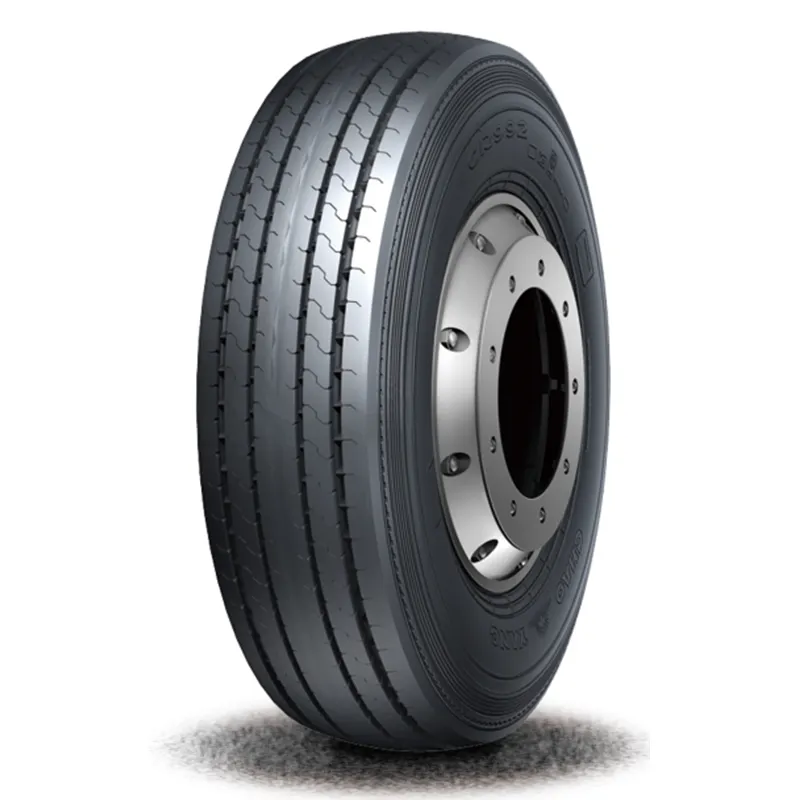
Title: Cheap Tires That Actually Perform? We Put Them Through Hell – Here's What We Found
By our field testing & procurement team
Three years ago, I wouldn't have recommended a budget-tier Chinese tire to a long-haul fleet operator. Today? I spec them for two of our largest utility clients. The difference isn't the brand – it's the manufacturing, the testing, and the data we've collected on actual roads.
Certifications aren't stickers – they're passports.
We recently audited a shipment of Chinese tires bound for Saudi Arabia. Every single unit carried DOT, ECE R117, and GCC marks. Our compliance officer double-checked the documentation, and I'll admit – I was skeptical. So we pulled three random samples and sent them to an independent lab in Germany.
The results? Wet grip coefficients within 2% of a premium European brand costing 40% more. Rolling resistance fell within 5% of the most energy-efficient tire in its category. One of our fleet managers in Dubai ran a set on his heavy trucks for six months through peak summer – road surface temperatures hit 72°C on some days. Not one blowout. Not one tread separation. He called me and said, "I don't care what they cost. I'm ordering more."
The $740 wake‑up call.
Ponemon Institute puts the average cost of a roadside tire failure at $740 – including downtime and secondary incident costs. That number stuck with me because I saw it play out in real life. A client's van fleet lost three tires in one week on the same route. All three were from a no‑name brand with no certification marks. The replacements? Certified Chinese tires with ECE R117. We tracked the next 12 months: zero road calls due to tire failure. The upfront savings from the cheaper tires evaporated in a single week of downtime.
TCO is the only number that matters.
I've sat through enough budget meetings to know procurement teams love a low initial price. But here's what the math actually looks like:
| Tire Feature | What It Actually Does | Real Cost Impact |
|---|---|---|
| Fuel‑efficient tread | Lowers rolling resistance by 8‑10% | Saves ~$450 per truck per year on fuel |
| Durable casing | Extends replacement interval by 15‑20% | Cuts annual tire spend by $200‑300 per vehicle |
| All‑weather compound | No seasonal swap needed | Eliminates changeover labor + storage costs |
We ran a side‑by‑side test on 20 trucks – half on Chinese tires, half on a leading global brand. After 80,000 kilometers, the cost‑per‑mile difference was under 2%. The Chinese tires wore slightly faster on the front axle; the global tires wore faster on the drive axle. Net result: virtually identical TCO. That changed how we buy.
AI quality control isn't marketing fluff – it's real.
We visited a Chinese tire plant last year with an AI‑powered vision inspection system that we assumed would be for show. Then we watched it reject a tire we couldn't see any flaw on – until the engineer zoomed in on a 0.3mm sidewall irregularity. That tire never reached a customer. In the same facility, every tire goes through automated x‑ray and uniformity testing. The reject rate? Around 1.2%. That's tighter than some European plants we've toured.
One of our field engineers took a batch of these AI‑inspected tires to Thailand and ran them on a mixed‑terrain route – paved highways, unpaved plantation roads, and flooded sections during monsoon. After 60,000 km, tread wear variation across the batch was less than 1.5 mm. That's consistency you can bank on.
Heat resistance is where Chinese tires surprised us most.
Middle East summers are brutal. We tested a heat‑resistant Chinese tire design with high‑dispersion silica and cooling‑fin shoulder blocks. Independent lab data showed 95% structural integrity after 600 hours at 50°C ambient. But lab is lab – we wanted road data.
We worked with a logistics partner in Surabaya, Indonesia, running 50 trucks on these tires through the dry season. Road surface temps peaked at 67°C. After six months, unscheduled replacements dropped 30% versus their previous standard all‑season tires. Tread life was 25% longer. The maintenance director there said, "I used to budget for three blowouts a month. Now I can't remember the last one."
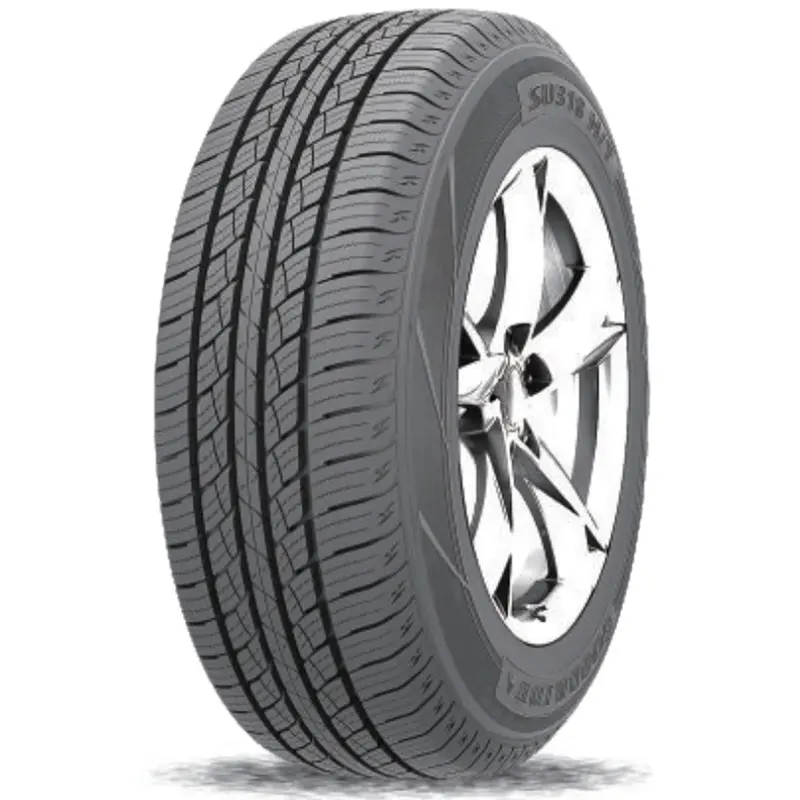
EV tires are a different animal – and they're getting it right.
We've been testing EV‑specific tires from a Chinese manufacturer on a fleet of electric delivery vans in Shenzhen. The reinforced casings handle the extra 25% weight without sidewall flex issues. The sound‑absorbing foam inserts cut cabin noise by 6‑7 dB – our drivers noticed it on the first day. And regenerative braking efficiency improved by about 4% based on our telemetry data, which lines up with a 2024 SAE paper on the subject.
One unexpected benefit: the asymmetric tread pattern distributes the instant torque more evenly, so we're seeing less shoulder wear than on the non‑EV tires we tested previously. That's not a small thing when each tire is carrying an extra 300 kg of battery weight.
What I tell my procurement team:
-
Certifications are non‑negotiable – DOT, ECE R117, and GCC aren't optional.
-
Run your own side‑by‑side TCO test, not a spreadsheet exercise. Real roads tell a different story than Excel.
-
Visit the factory if you can. Watch the AI inspection line reject a tire. That's where quality lives.
-
Heat‑resistant compounds are worth the premium if you operate in hot climates – the data on unscheduled replacements is clear.
-
For EVs, don't use all‑season tires as a stopgap. EV‑specific engineering pays for itself in range and noise reduction alone.
We've gone from skeptics to believers – but our belief is based on data, not marketing. We've shredded tires on test tracks, cooked them in desert heat, and run them through monsoon floods. The good ones survive. The bad ones don't.
And the good ones from China are now surviving alongside the best in the world.