
 EN
EN
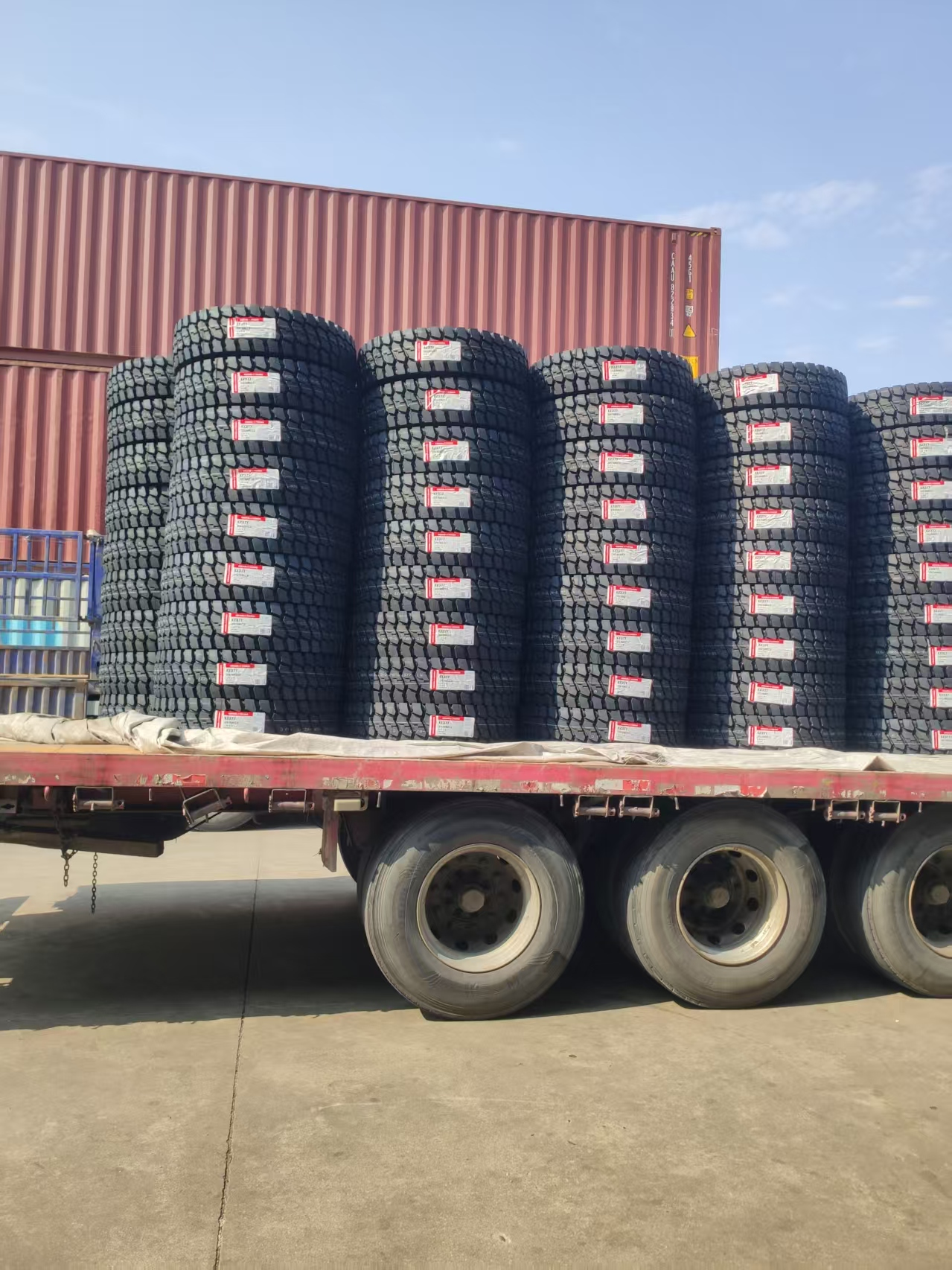
Significant Cost Savings Through Bulk Tire Procurement
Direct-from-manufacturer sourcing and reduced intermediary costs
When bulk buyers cut out middlemen distributors, they can save anywhere between 18 and maybe even 27 percent on supply chain expenses according to Transportation Insights from last year. Going straight to the source by working directly with manufacturers means wholesalers don't have to pay those extra fees that regional distributors and trading firms typically add on top, particularly for items that are always in demand such as all season passenger tires or commercial truck tires. The whole process becomes much cheaper when ordering full containers rather than buying small batches here and there, saving around 25 to 35 percent overall costs for these large volume purchases.
Pricing advantages for high-volume buyers in the wholesale tires market
Large order volumes unlock tiered pricing unavailable to smaller retailers. Buyers who consolidate demand can achieve significant per-unit savings:
| Order Size | Price Per Tire Discount |
|---|---|
| 100 units | 5% off retail |
| 500 units | 12% off retail |
| 1,000+ | 18%+ off retail |
Fleet operators and exporters benefit most by standardizing purchases across light truck tires and all-steel radial models, compounding long-term savings through volume-based contracts.
Long-term value: Balancing cost and performance in mid-range and light truck tires
Mid range tire brands are hitting around 92 percent of what premium tires can do for mileage these days, but they cost anywhere from 40 to 60 percent less according to recent wear tests from the Tire Performance Lab back in 2023. The secret seems to be better rubber formulas that let budget friendly tires last well over 65 thousand miles on highways without sacrificing much when it comes to gas mileage compared to name brand products. Looking at numbers alone, many businesses find that mid priced tires offer just enough longevity combined with their lower price tags to make them worth considering for regular fleet operations or other commercial needs where every dollar saved matters.
Case study: Fleet operators achieving 30% reduction in procurement costs
A North American logistics company standardized its 800-vehicle fleet on two mid-range tire models via wholesale procurement. Over three years, the shift yielded:
- $1.2M annual savings in tire replacement costs
- 25% reduction in inventory management labor
- 19% longer retread cycles due to consistent quality
This example illustrates how strategic bulk buying transforms operational efficiency and budget planning for large-scale fleets.
Reliable Supply Chains and Global Distribution Networks for Wholesale Tires
Role of Wholesale Tire Markets in International Supply Chains
The wholesale tire market serves as a key connection point in global supply chains, bringing together manufacturers from places like China and Southeast Asia with businesses across the globe that need tires. When demand gets aggregated through these channels, companies can tap into around 4.8 million tire units each year just from Asian factories according to recent industry reports. What makes this system work so well is that it cuts down waiting periods by roughly two weeks when compared to trying to source tires individually. For trucking companies and large fleets that rely heavily on having replacement tires available at all times, this difference matters a lot in day to day operations.
Container Load Orders (CLOs) and Efficient Logistics for Global Exporters
Container Load Orders or CLOs are now pretty much essential for getting tires across borders efficiently, cutting down shipping costs per unit by around 32% on average according to industry data. When companies stick to standard packing rules, they see fewer damaged goods and less hassle with customs inspections. The FCL/FOB arrangement works well too, especially when dealing with those big 40 foot containers, because it makes budgeting much easier since costs don't fluctuate as much. Top tier suppliers really focus on how they stack different types of inventory together on pallets, making sure everything stays secure during transport with proper ISO certification covering the whole journey from warehouse to destination port.
Optimizing Shipping Across Key Export Regions: Asia, Europe, and North America
Strategic port partnerships in Shanghai, Rotterdam, and Los Angeles ensure 98.6% on-time delivery rates. Regional strategies further improve efficiency:
- Asia: Factory-direct consolidations in Qingdao and Busan streamline exports of radial truck tires
- Europe: Bonded warehousing in Hamburg avoids duplicate import tariffs
- North America: Cross-docking near rail hubs like Chicago cuts inland transport costs by 15–20%
These localized optimizations maximize speed and cost-efficiency for high-volume buyers.
Growing Demand in Emerging Markets Shaping Distribution Strategies
The African and South American markets together make up nearly 37 percent of all the growth we're seeing in wholesale tire sales right now. This has led to some pretty interesting solutions on the market lately, like these split container programs. What they basically do is let customers mix those big off road mining tires with regular passenger car models when shipping them out, something that actually works better for how people use tires in these regions. Exporters are getting smarter about managing risks too. Many are starting to implement blockchain tracking systems for their shipments. According to recent data from industry reports, these systems seem to cut down on shipment disputes quite a bit - around 41% fewer problems since early 2022 according to what I've seen reported.
Access to Diverse Tire Inventories Meeting Varied Market Needs
Comprehensive Selection: Passenger, Light Truck, Commercial, and Off-Road Tires
The global wholesale tire market actually has over fifteen different categories available, ranging from those used for daily city driving all the way up to massive industrial applications. A/T tires have really taken off lately, making up about 38 percent of specialty tire purchases because they work so well both on paved roads and rough terrain. Big name suppliers keep their stock pretty evenly spread out these days. Most carry around fifty five percent passenger tires, thirty percent for light trucks, and fifteen percent dedicated to commercial or off road vehicles. This mix helps them stay flexible when demand changes across different regions throughout the year.
Smart Bulk Purchasing Tips for Light Truck Tires
To optimize value, procurement teams should align light truck tire orders with seasonal trends and material costs. Given that this segment represents 22% of the global replacement market, experts recommend:
- Allocating 60% of orders to load range E (10-ply) tires for optimal durability-to-cost ratio
- Reserving 25% of budgets for fuel-efficient models meeting updated EPA standards
- Using predictive analytics to avoid overstocking declining tread patterns in specific regions
These strategies help maintain inventory agility while maximizing ROI.
Customized Assortments to Meet Regional Performance and Regulatory Demands
Wholesalers can now adjust their stock based on what's actually needed locally thanks to those smart AI inventory systems. Take Southeast Asia for instance where almost seven out of ten commercial tire orders come with reinforced sidewalls because so many roads aren't paved yet. Meanwhile over in Europe, customers keep asking for tires rated at level B for rolling resistance since they need to meet those strict energy efficiency laws. The numbers tell quite a story too - mining operations and general commercial tire needs have jumped by a quarter each year across developing regions. To keep up with this growth, suppliers are getting creative with how they pack containers, mixing off-the-road tires with regular highway models according to what works best for different areas. Some companies even have special software that calculates optimal combinations based on historical sales data from specific regions.
Key Buyer Segments Maximizing Value from Wholesale Tires
Tire Retailers Expanding Margins Through Strategic Bulk Buying
Direct manufacturer sourcing improves tire retailer margins by 15–25%, according to 2023 retail procurement analyses. Eliminating distributor markups allows stores to either increase profitability or undercut competitors on price. The strategy is especially effective for high-turnover items like all-season passenger tires and commercial radials, where bulk discounts often exceed 40% off MSRP.
Fleet Operators Reducing Total Cost of Ownership via Consistent Tire Supply
Fleet operators using wholesale channels reduced tire-related maintenance costs by 22% in 2023, according to the Fleet Efficiency Report, thanks to standardized tread designs and uniform DOT certifications. Consistent specifications simplify rotations and repairs, while CLO-focused suppliers ensure 97% inventory availability–critical for minimizing vehicle downtime.
Exporters Leveraging Wholesale Tires for Global Market Opportunities
Cross-border traders maximize container profitability by sourcing region-specific tires–from winter-rated European patterns to fuel-efficient Asian designs. Manufacturer-applied, container-ready packaging reduces shipping damage claims by 63% compared to loose shipments (Global Trade Logistics Review 2023), enabling reliable fulfillment in fast-growing markets where replacement tire demand rises 18% annually.
Rising Competitiveness of Non-Premium Tire Brands Through Technological Advancements
Value Proposition of Lesser-Known Brands in Price-Sensitive Markets
Non-premium manufacturers now hold 58% of the global wholesale tire market (Deloitte 2023), delivering ISO 9001-compliant products at 20–40% lower prices than premium brands. These tires meet functional demands in cost-sensitive regions, particularly in emerging economies where fleets and retailers prioritize reliability and lifecycle economics over brand prestige.
Performance Parity Achieved via Innovations in Rubber Compounds and Tread Design
Advances in silica-reinforced rubber and asymmetric tread patterns have narrowed performance gaps: non-premium tires now achieve wet braking distances within 5% of premium models. As highlighted in the 2024 Tire Technology Report, mid-tier brands use AI-driven wear simulation to optimize tread block rigidity, extending tire lifespan by 15% compared to 2020 baseline models.
Shifting Consumer Preferences Driven by Cost-Benefit Analysis
Commercial buyers are increasingly making data-driven choices: 63% of fleet managers surveyed in 2023 selected advanced non-premium tires over traditional premium options. This reflects a broader industry shift toward evaluating total cost of ownership, where 20–35% upfront savings outweigh minor performance differences in typical operating environments.
Are Premium Brands Worth the Markup? A Data-Driven Perspective
Premium tires definitely have their place when it comes to extreme situations like track days or harsh winter conditions. But interestingly enough, third party tests actually show that regular all season tires can provide around 85 to 90 percent of the grip on both dry and wet roads, yet they cost only about 60 to 70 percent of what premium ones do. This makes things really interesting for bulk purchasers who work with everyday consumers. The performance difference isn't so huge anymore that businesses need to stick with top shelf products just because they're worried about safety issues or how long the tires will last before needing replacement.
FAQ Section
What are the benefits of buying tires in bulk directly from manufacturers?
Buying tires in bulk directly from manufacturers reduces supply chain expenses by eliminating middlemen. This can save anywhere from 18 to 35 percent overall, especially for always-in-demand items such as all season passenger tires or commercial truck tires.
How does tiered pricing work for large tire orders?
Tiered pricing offers different discounts based on order volumes. For example, buying 100 units gets a 5% discount off retail price, 500 units gets 12% off, and orders exceeding 1,000 units can receive an 18% or higher discount.
Can mid-range tires offer similar performance to premium brands?
Yes, mid-range tire brands can provide around 92% of the performance of premium tires but at 40 to 60 percent less in cost. They're made with better rubber formulas that offer longevity without significantly affecting mileage.
How do Container Load Orders benefit exporters?
Container Load Orders reduce shipping costs by about 32% on average. They also ensure fewer damaged goods through standard packing rules and make budgeting more predictable with stable costs.
Why is there a shift towards non-premium tire brands?
Non-premium tire brands often provide ISO 9001-compliant products at 20 to 40 percent lower prices than premium tires. With technological advancements, they meet functional needs, especially in price-sensitive and emerging economies.
Table of Contents
- Significant Cost Savings Through Bulk Tire Procurement
- Reliable Supply Chains and Global Distribution Networks for Wholesale Tires
- Access to Diverse Tire Inventories Meeting Varied Market Needs
- Key Buyer Segments Maximizing Value from Wholesale Tires
- Rising Competitiveness of Non-Premium Tire Brands Through Technological Advancements