
 EN
EN
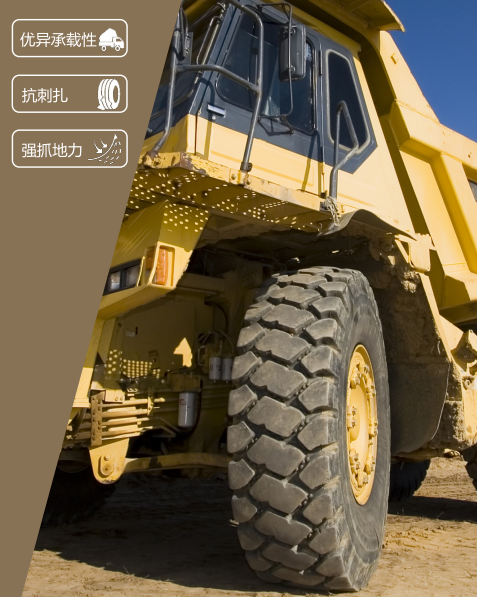
Engineered for Extreme Durability in Harsh Environments
Reinforced Casing and Cut-Resistant Rubber Compounds
OTR tires are built tough with multiple layers of steel belts plus special rubber mixes that can handle the punishment from jagged rocks and all sorts of road trash. The manufacturers throw in some nylon reinforcement plies too, cutting down on those annoying sidewall cracks by around 40 percent when compared to regular tire designs according to Ponemon's research back in 2023. What makes these tires really stand out though is their ability to stay strong even when inflated just 10 percentage points below normal levels. This matters a lot in mines where ground conditions aren't exactly smooth sailing most days.
Performance in Abrasive Terrains: How OTR Tires Withstand Constant Wear
The harsh conditions found in quarries and open pit mines cause off-the-road (OTR) tire treads to wear down at roughly triple the rate seen on regular highway truck tires. To combat this problem, radial tire designs incorporate several clever features. They have deep, interlocking lug patterns that help spread out shear forces across the surface area. The rubber compound includes heat resistance properties when mixed with silica, cutting down on abrasive wear loss somewhere around 15-20%. Another key element is those reinforced shoulder blocks which maintain most of their initial tread depth even after thousands of operating hours – typically keeping about 80% or so intact after approximately 8,000 hours in service.
Case Study: Michelin XDR vs. Bridgestone M841 in Australian Iron Ore Mines
A 2023 field comparison at Rio Tinto's Pilbara site evaluated both models under identical loads (320 tons) and haul cycles:
| Metric | Michelin XDR3 | Bridgestone M841 |
|---|---|---|
| Average cuts per tire | 1.2/month | 2.7/month |
| Tread life | 9,200 hours | 7,800 hours |
| Downtime cost | $18,500 | $29,200 |
The XDR's advanced casing architecture reduced unplanned replacements by 33%, confirming its superiority in extreme cut-and-impact environments.
High Load Capacity for Ultra-Class Mining Equipment
Supporting Payloads Over 400 Tons in Modern Haul Trucks
Today's off-the-road tires let big haul trucks carry over 400 tons worth of cargo, which would take about 250 regular cars to match that weight, all while staying stable on rough terrain. These tires have multiple layers of steel inside them along with special rubber mixtures that don't give way when pushed to their limits. Take those massive ultra class haulers for instance. They run on 63 inch rims with tires built specifically to take on incredible forces. Each tire can support around 18,000 kilograms during turns or when going up hills, something smaller equipment simply couldn't manage.
Engineering Principles Behind Structural Integrity and Load Distribution
Off-road tires are built with three layers in their carcass construction and have extra strong sidewalls that help spread out the stress on the tire's contact patch with the ground. The radial steel cords inside these tires are arranged at right angles to how the wheel spins, which cuts down on heat buildup inside the tire by about 32 percent when compared to older bias-ply tire designs according to last year's Tire Engineering Report. Because of this special construction, heavy duty trucks can keep their ground pressure right around 550 kilopascals even when loaded with dense materials like iron ore that weighs in at roughly 4.8 tons per cubic meter. This kind of performance makes all the difference for haulage operations working in tough conditions where tire failure would be costly and dangerous.
Data Point: Load Ratings Across 57-Inch, 63-Inch, and 69-Inch Rim Sizes
Tire load capacity increases significantly with rim diameter, as shown in these 2023 mine-site comparisons:
| Rim Diameter | Max Load Capacity | Recommended Application |
|---|---|---|
| 57-inch | 290 tons | Mid-sized dump trucks |
| 63-inch | 410 tons | Ultra-class haulers |
| 69-inch | 530 tons | Autonomous electric mining trucks |
The 69-inch configuration offers 18% higher load ratings per tire than 63-inch models under identical conditions, extending retread intervals by 1,200 operating hours.
Superior Traction Across Rugged and Variable Terrain
Tread Pattern Design and Lug Depth for Maximum Grip
Off-the-road tires really stick to the ground thanks to those staggered lugs and deep treads that go past 2 inches. Some tests done last year showed these special designs boost contact pressure against rocks by almost 30% when climbing hills, way better than regular industrial rubber. What makes them work so well is how the lugs lock together, stopping sideways sliding even on pretty steep slopes around 12%. This matters a lot for moving heavy loads across places like old mining sites covered in gravel or areas scattered with big granite chunks where normal tires would just spin out.
Self-Cleaning Treads for Mud and Loose Soil Conditions
The radial OTR tires come equipped with these special angled grooves that actually push out dirt and debris as they spin around. According to field testing done in real world conditions, this cleaning effect keeps about 82 percent of the original grip on dry ground even when working through heavy clay soils. For coal mine operations hit by monsoons, this means workers spend roughly seven fewer hours per week manually cleaning tires compared to traditional models. What makes these tires stand out further is their curved shoulder design. These blocks help stop mud from sticking and building up over time something that usually starts affecting regular bias-ply tires after just about fifty hours of operation in tough terrain.
Case Study: Haul Truck Performance in Muddy Open-Pit Operations
A Canadian mining operation recorded a 40% reduction in traction-related downtime after switching to radial OTR tires on its 360-ton payload vehicles (Mining Engineering Quarterly 2023). Operators achieved 1,250 productive hours before tread replacement – a 32% improvement over previous bias-ply models – while maintaining 97% load capacity across mud channels deeper than 18 inches.
Radial vs. Bias-Ply vs. Solid: Choosing the Right OTR Tire Structure
Structural Differences Impacting Heat Buildup, Flexibility, and Lifespan
The design of radial tires incorporates steel belts positioned at right angles to the tread pattern. This arrangement cuts down on internal friction and heat production by around 30 to 40 percent when compared with the traditional crosswise nylon layers found in bias-ply tires according to OTR Tire Manufacturers Association data from 2023. Solid tire constructions take things further by doing away with air chambers completely. While they sacrifice some ability to absorb vibrations, these solid versions stand up exceptionally well against punctures in rough terrain filled with rocks and debris. When subjected to heavy loads of approximately 80 tons, radial tires run roughly 12 to maybe even 18 degrees Fahrenheit cooler than their bias-ply counterparts. This temperature difference makes all the difference in mining operations where equipment runs nonstop for long periods without breaks.
Radial Tires Deliver 25% Longer Service Life in Loader Applications
An industry analysis of 47 surface mines found radial OTR tires averaged 8,900–10,400 hours in wheel loader operations versus 6,700–8,300 hours for bias-ply models. The radial design's flexible sidewalls distribute ground forces evenly, minimizing irregular wear responsible for 67% of premature bias-ply replacements (Mining Equipment Journal 2024).
Case Study: Transition from Bias-Ply to Radial Tires at a Canadian Oil Sands Site
A major Alberta oil sands operator replaced 82 bias-ply tires on its 400-ton haul trucks with radials over 18 months, documenting:
- 31% reduction in heat-related tread separations
- 19% lower fuel consumption due to reduced rolling resistance
- $2.1M annual savings in tire replacement costs
The site's mixed clay and shale terrain shortened bias-ply service life to 5.2 months, while radials extended it to 8.9 months. This transition underscores how terrain-specific structural choices directly impact total cost of ownership in heavy industry.
Cost-Efficiency and Operational Strategy in OTR Tire Selection
Balancing Initial Cost vs. Long-Term Durability and Downtime Reduction
Getting the most out of mining operations really comes down to thinking about OTR tires across their entire lifespan from purchase to disposal. Sure, those top shelf tire options might set back operators around $15-$25 extra per unit initially, but miners report seeing roughly 30-40% savings when looking at hourly costs over time according to Ponemon research last year. Looking at actual field data makes this even clearer. A recent study of mining fleets in 2024 showed something interesting happening in copper mines where temperatures run hot. Tires made with these new heat resistant materials cut down on unexpected replacements by almost 20% compared to standard models. That kind of reliability matters a lot when equipment downtime translates directly into lost production.
Selecting Tires Based on Equipment Type, Terrain, and Duty Cycle
Strategic OTR selection requires aligning tire specifications with three key factors:
| Equipment Class | Key Tire Requirement | Cost-Saving Opportunity |
|---|---|---|
| 400-Ton Haul Trucks | Reinforced sidewalls | 22% lower blowout risk |
| Wheel Loaders | Cut-resistant tread blocks | 17% longer cutting edge life |
| Dozers | Self-cleaning lug design | 31% less track slippage |
A 2023 terrain adaptability study showed mines matching tread patterns to ground conditions achieved 14% higher fuel efficiency than those using generic tires.
Emerging Trends: Hybrid Polymers and Advanced Compounding for Longer Wear
New hybrid compounds blending silica and aramid fibers are transforming wear resistance. In Canadian oil sands trials, these materials extended radial loader tire lifespans by 27% while maintaining flexibility at -40°C. Early adopters report 15–18% reductions in annual tire budgets due to fewer changeouts.
FAQ Section
What are off-the-road (OTR) tires?
OTR tires are specialized tires designed for vehicles used in industrial and construction settings, such as mining or quarry sites, where durability and load capacity are crucial.
Why is it important for OTR tires to have reinforced casings?
Reinforced casings enhance durability by reducing sidewall cracks and allowing tires to handle rough terrains more efficiently.
How do radial tires differ from bias-ply tires?
Radial tires incorporate steel belts at right angles to the tread, which helps lower heat buildup, improving longevity and performance when compared with bias-ply tires, which use crosswise nylon layers.
What benefits do radial tires provide for loader applications?
Radial tires offer longer service life and distribute ground forces more evenly, minimizing wear that leads to premature bias-ply tire replacements.
How do self-cleaning treads work?
Self-cleaning treads have specially angled grooves that expel dirt and debris while the tire rotates, maintaining grip in challenging soil conditions.
Table of Contents
- Engineered for Extreme Durability in Harsh Environments
- High Load Capacity for Ultra-Class Mining Equipment
- Supporting Payloads Over 400 Tons in Modern Haul Trucks
- Engineering Principles Behind Structural Integrity and Load Distribution
- Data Point: Load Ratings Across 57-Inch, 63-Inch, and 69-Inch Rim Sizes
- Superior Traction Across Rugged and Variable Terrain
- Radial vs. Bias-Ply vs. Solid: Choosing the Right OTR Tire Structure
- Cost-Efficiency and Operational Strategy in OTR Tire Selection
- FAQ Section