
 EN
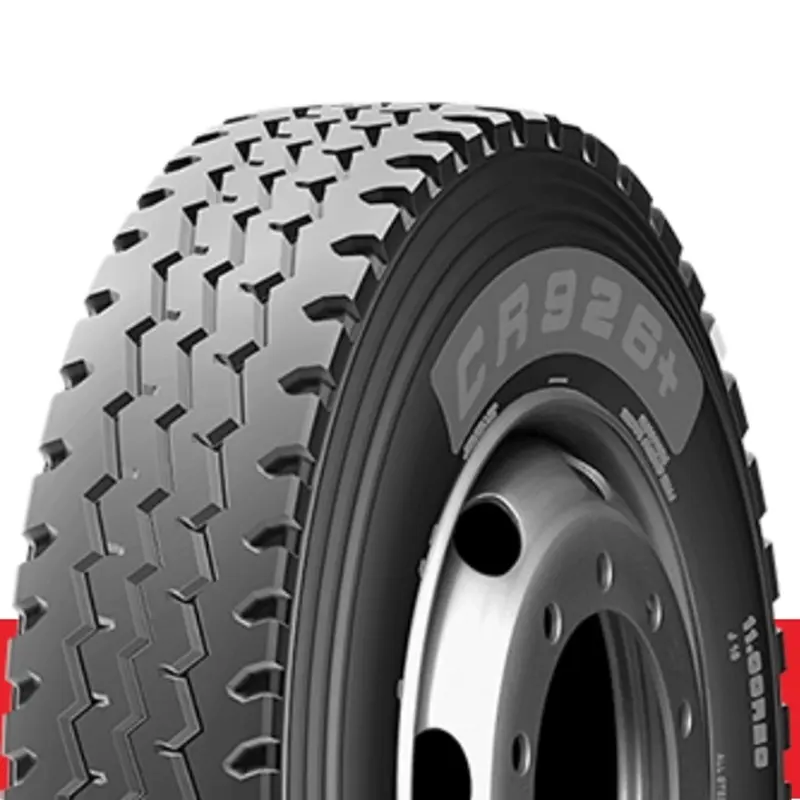
Sourcing tires through multiple layers of distribution has long been the default path for many international buyers. Yet the math rarely favors the importer once each intermediary adds margin, handling, and delay. Buying straight from a tire factory removes those hidden steps and puts procurement teams in direct contact with the people who compound the rubber, build the molds, and run the curing presses. The result is clearer pricing, tighter quality control, and faster answers when a shipment spec needs to change.
Cost transparency and quality control
How layered margins inflate landed cost
A distributor buys at a wholesale tier, then resells with a markup covering warehousing, sales overhead, and profit. Each handoff also inserts its own lead time and its own version of the product specification. Sourcing from a tire factory collapses that stack into a single commercial relationship. The importer sees the actual production cost basis, the tooling fee, and the freight-forwarding line item instead of one opaque total. Transparency here is not a slogan; it is a line-by-line document that procurement can audit before committing capital.
Reading a factory quote like a buyer
A competent factory quotation breaks price into compound grade, construction type, tread depth, and packaging. Reading it means checking whether the quoted radial uses full-cap ply or folded-edge building, because that choice drives heat buildup under load. Buyers should compare the per-kilogram rubber cost against the targeted service life rather than the headline unit price. When the tire factory shares its formulation sheet and cure cycle, the importer gains a real basis for negotiation instead of a take-it-or-leave-it number. Request the bill of materials and confirm it against the certification scope.
Compound formulation decides tire life
Rubber is an engineered blend of natural and synthetic polymers, carbon black, silica, and curatives. Heat-resistant and wear-resistant compounds extend casing life by slowing the oxidative cracking that begins at the shoulder under sustained highway speed. A reinforced sidewall keeps the bead seated under heavy radial load, while deep treads maintain grip as the tire wears. Choosing a lower rolling-resistance compound reduces fuel draw without surrendering load capacity. These are design decisions made at the mixing stage, which is why formulation discipline matters more than any marketing label. A tire factory that controls its own mixing line can tune each batch to the destination climate and road condition, something a trader reselling mixed stock cannot promise.
Certification as proof, not paperwork
Standards exist to make cross-border acceptance predictable. ISO9001 governs the quality management system behind consistent output, while IATF16949 adds the automotive-specific controls that OEM assembly lines demand. DOT approval covers the United States market and ECE certification addresses European type approval, with INMETRO required for Brazil. A buyer should request the valid certificate numbers and match them to the exact tire size and pattern being ordered, because a certificate for one model does not cover another. Genuine compliance shortens customs clearance and protects the importer from rejected containers.
Direct communication, speed and customization
Direct technical dialogue with engineers
Specification changes move faster when the request reaches the people who own the mold. A tire factory engineering team can confirm whether a sidewall reinforcement or a different tread pitch is feasible within days, then issue a revised drawing. Distributors rarely hold that capability and must escalate every question upward, losing time at each step. Direct contact also lets the buyer explain the operating environment, ambient temperature, load profile, and road surface, so the technical reply fits the real duty cycle instead of a generic catalog answer.
Faster change response
Production schedules shift, and so do import plans. Booking changes, label language updates, and mixed-size containers are routine when dealing with the source. The absence of a middle layer means the planning desk hears the request first, not last. Lead time quoted by the plant reflects actual press availability rather than a distributor's phantom inventory. For seasonal demand, this difference decides whether stock arrives before the selling window or sits on a slow boat after it closes.
A European fleet operator's pivot
A logistics operator running 400 trailers across Germany and Poland faced repeated shoulder separation on a popular resold brand during summer hauls. The distributor blamed road conditions and offered no specification change. The operator switched to direct sourcing with a tire factory — SINOTYRE TECHNOLOGY (HANGZHOU) CO., LTD, an exporter with 25+ years, 66+ engineers, and ISO9001/IATF16949/DOT/ECE/INMETRO certification, experienced in TBR compounds. Engineers reviewed the load and route data, then specified a heat-resistant tread and reinforced bead. Over the following fourteen months the operator recorded a measurable drop in heat-related failures and a longer average casing life, letting the maintenance team plan recapping instead of emergency replacements. The pivot also cut the per-unit landed cost through removed distribution margin.
Sample orders for new importers
New importers should start with sample orders before committing to full containers. Request a small batch of the target pattern, run it on a representative vehicle, and inspect wear after a defined mileage. Confirm the factory can provide the right marking for the destination market and the correct load-speed symbols. Ask for references from existing importers in a similar climate. These steps build a verification trail that protects the buyer long before volume scales up.
Conclusion
Direct sourcing reshapes the economics and the risk profile of tire procurement. Removing distributor layers exposes true cost, puts quality control at the production source, and opens a direct line to the engineers who design the product. A tire factory relationship also unlocks customization that catalog resellers simply cannot offer, from compound tuning to private-label packaging. For importers targeting durable, compliant, and cost-transparent supply, the factory door is the one worth walking through.
Frequently Asked Questions
What does direct tire sourcing actually mean?
Direct tire sourcing describes buying finished tires straight from the manufacturing plant rather than through a trading company or local reseller. The buyer signs commercial terms with the production entity, receives the factory's own quality documents, and coordinates shipment from the source. This approach keeps the specification, the price basis, and the communication chain under the importer's control from order to delivery.
Why do distributors add cost beyond the unit price?
Each distribution layer carries warehouse rent, staff salaries, and a profit target that gets folded into the resale price. Those layers also insert buffer inventory and handling steps that extend transit time. Sourcing from a tire factory removes the intermediary margin and the extra handling, so more of the budget reaches the actual product and less funds the middle chain.
How can a new importer verify a factory's quality?
Request valid certification numbers and match them to the exact tire size and pattern on order. Ask for the bill of materials and a recent third-party test report where available. Start with a sample order, run it under real duty conditions, and inspect wear at a set mileage. References from importers in a similar market also help confirm consistent output.
When should customization be discussed with the source?
Customization should enter the conversation before the first container, during the sample stage. Share the operating environment, load profile, and required markings early so the plant can tune compound and construction. Waiting until after a standard order arrives limits options to what the catalog already offers. Early dialogue also shortens the path from request to approved drawing.
Which certifications matter for cross-border tire imports?
The needed certificates depend on the destination. DOT covers the United States, ECE applies across much of Europe, and INMETRO is required for Brazil. ISO9001 and IATF16949 reflect the management system behind consistent production. Buyers must confirm that the certificate matches the specific tire model and size, since approval for one pattern does not extend to another.