
 EN
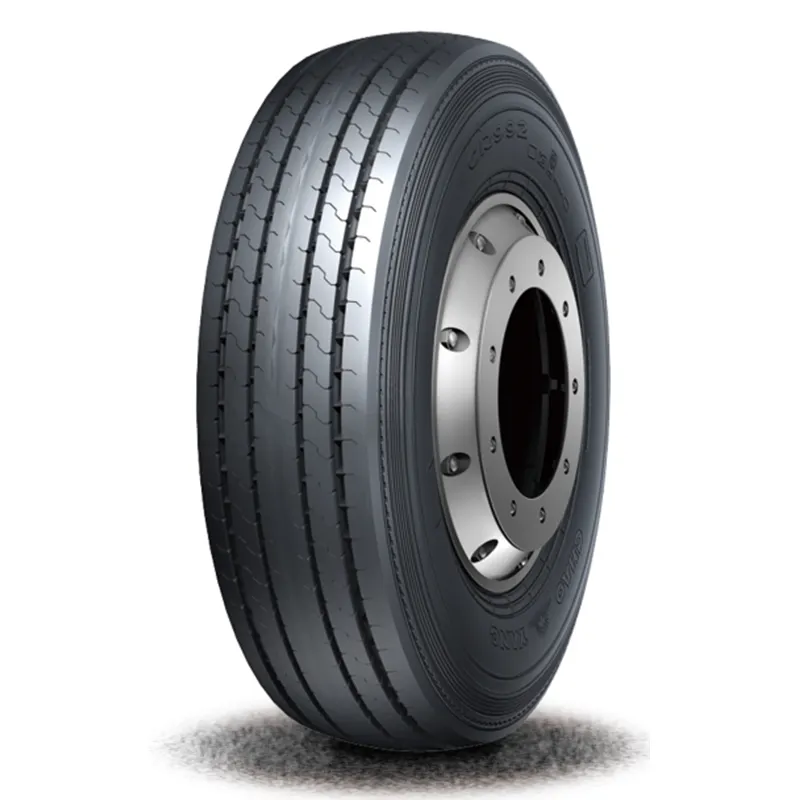
Buyers exploring overseas sourcing often ask a practical question before signing anything: can wholesale tires be sampled and specified without upfront cost? The short answer is yes for established manufacturers, though terms depend on order potential and region. Free tire catalogs are nearly standard in B2B tire trade because they cost the supplier little and help buyers shortlist patterns. Samples are more nuanced—physical units carry shipping weight and customs complexity. The sections below cover what to request and how to vet a partner.
Getting Free Catalogs and Samples the Smart Way
What a Professional Tire Catalog Should Contain
Serious wholesale tires programs begin with a catalog that does more than show sidewalls. A useful document lists full size matrices across product families—semi-steel radial for passenger cars, all-steel radial for trucks, bias and OTR patterns for industrial sites. Each line should show load index, speed rating, tread depth, and rolling resistance class. Compound descriptions matter too: heat-resistant rubber extends service life in hot climates. Catalogs from certified plants also reference DOT and ECE markings so importers can confirm market approval early. Request both PDF and printed versions for workshop checks.
Are Samples Free or Conditional?
For buyers scaling up with a tire wholesaler, samples follow different rules than catalogs. Request tire samples only after the catalog answers size and certification questions. Most manufacturers cover sample cost for serious prospects but apply conditions. A common approach sets a minimum future bulk tire orders volume, or charges fees credited against the first container. Small orders of one or two units usually ship by air at the buyer's freight. For high-value OTR or giant tires, suppliers may loan a unit for field testing instead of selling it. The key is transparency: request the sample policy in writing before sending specifications. Avoid partners who dodge the question or promise unlimited free units.
Build Your Specification Sheet First
Submitting a clear specification sheet saves both sides time. List target sizes, intended vehicle types, climate, and load expectations. Mention certification needs—DOT for North America, ECE for Europe, INMETRO for Brazil. A detailed sheet lets engineers propose custom solutions instead of generic off-the-shelf patterns. SINOTYRE TECHNOLOGY maintains 66 engineering staff who turn such sheets into matched recommendations across passenger, truck, agricultural, and industrial lines. Attach the sheet to the first catalog request; many tire distributors handling wholesale tires respond faster when they see a concrete plan rather than a vague inquiry.
Sample Quantity and Shipping Logistics
Decide sample count by use case. Two units per size allow one for lab inspection and one for road trial. Air freight suits passenger and light truck samples; sea freight fits OTR and giant tires despite longer lead time. Ask the supplier for HS codes and declared value to smooth customs. Confirm whether sample tread depth and sidewall reinforcement match production units, because some traders swap demonstration stock. For growing wholesale tires importers, booking a sample order through the same channel as future bulk tire orders keeps documentation consistent for customs audits.
Evaluating a Wholesale Tire Supplier Before Committing
Certifications That Signal a Serious Manufacturer
Certifications separate factories from trading shells. ISO9001 confirms a documented quality system; IATF16949 adds automotive-specific process control for radials. DOT and ECE approvals prove the pattern passed regulated testing for target markets. INMETRO covers Brazil. Ask for valid certificate numbers and verify them with issuing bodies where possible. For wholesale tires buyers, a company holding these across 160-plus countries, such as SINOTYRE TECHNOLOGY, demonstrates audit trail maturity. Pair certificate checks with a live production base tour—video calls work—to see extruders, curing presses, and inspection stations.
Engineering Depth and Compound Expertise
When comparing tire wholesaler options, technical strength shows in compound design. Heat and wear resistance come from polymer blends and filler ratios tuned for duty cycle, not from a single magic additive. Reinforced sidewalls use higher-tensile cord and gauge layout to resist curb impact and deflection. Deep treads extend mileage but raise rolling resistance, so engineers balance groove depth against fuel economy targets. Request the compound philosophy and test data; credible suppliers explain why a formula was chosen for a route rather than quoting a vague durable label. OEM-level strategic partnerships reflect this engineering discipline more than marketing claims.
Sourcing Scenario: Fixing Heat Failures in a Gulf Delivery Fleet
The Problem With Standard Compounds
A regional distributor in the Gulf ran a delivery fleet on standard summer compounds. Ambient temperatures above 45°C plus constant loaded cycles pushed tread shoulder temperatures past safe thresholds. Premature shoulder wear and occasional separation appeared inside eight months. The buyer first tried swapping brands through local tire distributors but saw similar failures because the root cause—compound heat buildup—remained unaddressed. The distributor needed a partner who could engineer the rubber, not just ship it.
Solution, Results, and Takeaways
SINOTYRE TECHNOLOGY reviewed the duty cycle and proposed a heat-resistant compound with adjusted filler loading and a reinforced sidewall to control deflection heat. A sample order of all-steel radial units went to field trial; technicians logged shoulder temperatures across routes. After the adjustment, shoulder temperatures dropped within target range and premature wear ceased across the tested fleet. The distributor then placed bulk tire orders with confidence, supported by catalogs that now documented thermal guidance. Takeaway: request compound and test data, run a measured sample, and treat catalogs as engineering documents—not brochures—when sourcing wholesale tires at scale.
Free catalogs and well-run samples remain a low-risk way to qualify a tire partner before committing capital. Build a specification sheet, verify certificates, and inspect the physical unit against the catalog claims. Engineering discipline—compound design, sidewall reinforcement, tread and rolling resistance balance—separates durable product from cheap promises. SINOTYRE TECHNOLOGY supports catalogs and sample orders across passenger, truck, agricultural, and industrial lines for global wholesale tires programs. Start the conversation with a clear spec and a request for both formats.
Frequently Asked Questions
Can tire suppliers send catalogs to new buyers without charge?
Established manufacturers provide digital catalogs free, since PDF distribution costs little and helps buyers shortlist patterns. Printed versions may carry a small fee for overseas shipping. Request both formats and confirm the document lists sizes, load index, and certification marks. A supplier hesitant to share a catalog often lacks a real production base.
Why do sample tires sometimes carry a condition?
Physical samples involve air freight, customs, and handling, so suppliers often link free samples to a future bulk commitment or credit the fee against the first container. This protects against tire-kickers while still letting serious buyers test quality. Buyers should ask for the sample policy in writing before sending specifications. A written policy also prevents later disputes about what the sampled unit actually represents.
How should a buyer inspect a received tire sample?
Check tread depth with a gauge, verify sidewall markings match the catalog, and confirm DOT or ECE codes. Compare compound feel and weigh the unit against spec. Run a short road trial if possible. Document findings with photos so the supplier can address gaps before any production run begins. Cross-check the lot number against the catalog batch for full traceability.
What certifications prove a capable wholesale tires manufacturer?
A capable wholesale tires manufacturer holds ISO9001 for quality systems and IATF16949 for automotive process control, plus market approvals like DOT, ECE, and INMETRO. Request valid certificate numbers and verify them. Pair documents with a production base tour to confirm the line actually runs the certified process. Regional approvals matter because each market enforces its own testing rules.
When is the right time to place a bulk order?
Place bulk volume only after samples pass inspection and the supplier explains its compound and test data. Run a measured field trial covering your worst route and climate. Confirm lead time, payment terms, and documentation consistency. Moving to full volume too early risks repeating failures that a proper sample stage would have caught.