
 EN
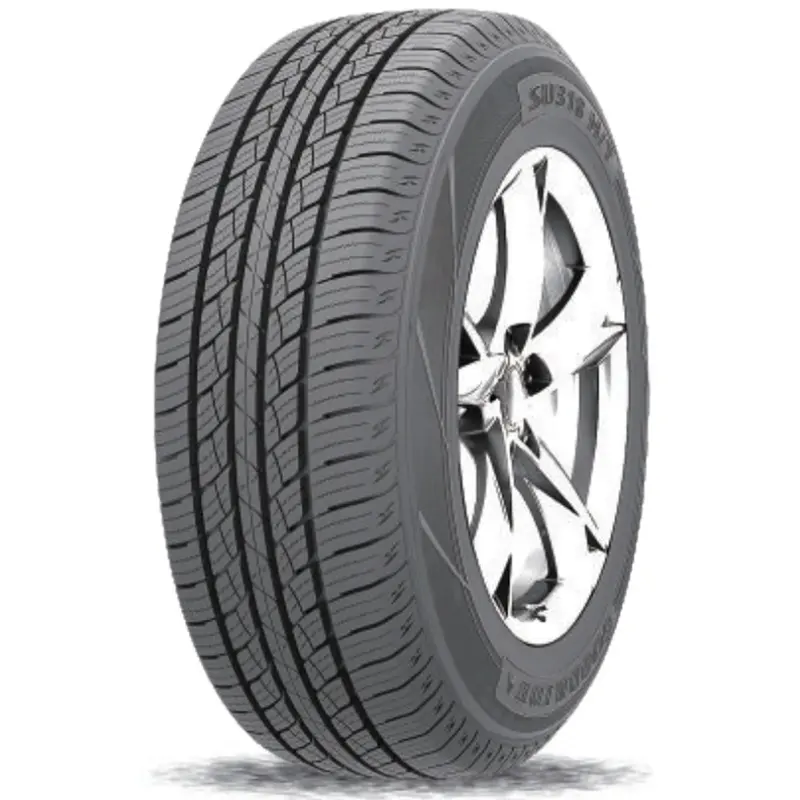
Choosing the right components separates a dependable product from a premature failure on the road. High-quality radial tires rely on a precise combination of polymers, reinforcing filaments, and metals engineered to perform together under heat, load, and continuous flex. Buyers who understand the material foundation make smarter sourcing decisions and reduce costly field issues.
What Defines Radial Tire Construction
The Steel Belt Advantage in Radial Builds
The defining feature of radial tires is the belt package beneath the tread. Steel cords run at a near-zero angle to the circumference, forming a stabilizing layer that locks the tread in place. This arrangement cuts tread squirm, limits heat generation, and keeps the contact patch flat. In a bias build, body plies cross at angles and the structure flexes more, raising operating temperatures. The radial belt design is why modern truck and passenger products deliver lower rolling resistance and steadier wear.
Carcass Plies and Textile Cords
In radial tires these plies run perpendicular to the tread centerline, from bead to bead, carrying the load. Textile cords such as polyester, rayon, or aramid give the flexible skeleton. Adhesion between rubber and cord decides fatigue resistance; a weak bond lets the cord pull free under flex and starts a separation. Compound formulations therefore include bonding agents tuned to the specific fiber, protecting the interface through millions of flex cycles.
Core Rubber Compounds and Their Roles
Natural and Synthetic Rubber Blends
The tread and sidewall begin as a blend of natural rubber and synthetic rubber. Natural rubber brings high resilience and tear strength, while synthetic grades add ozone and abrasion resistance. The balance shifts by application: off-road and agricultural products lean on tougher natural content, whereas highway TBR compounds favor low rolling resistance and heat stability. Tread compounds in radial tires must balance wear, grip, and heat buildup for the target duty. SINOTYRE TECHNOLOGY (HANGZHOU) CO., LTD develops these blends through a team of 66 engineers across global production bases, matching recipes to regional road and climate demands.
Carbon Black and Silica for Reinforcement
Reinforcing fillers turn a soft gum into a durable compound. Carbon black has led the industry for decades, boosting wear resistance and tensile strength. Silica, often paired with a coupling agent, lowers rolling resistance and improves wet grip. The right filler ratio controls heat buildup in the tread. Too little reinforcement shortens life; too much makes the compound brittle. Modern mixing lines measure dispersion to keep quality consistent batch to batch.
Antidegradants and Vulcanization Chemistry
Rubber degrades from oxygen, heat, and ozone. Antidegradants such as antioxidants and antiozonants slow this aging so the product keeps its properties in service. Vulcanization chemicals, mainly sulfur and accelerators, cross-link polymer chains under heat and pressure, turning the mix from a sticky mass into an elastic solid. The cure system sets the final hardness, rebound, and heat resistance of every component, which is why process control matters as much as the recipe.
Steel Cord, Textile Cord, and Other Materials
Steel Belts and Bead Components
The steel cord in belts of radial tires is drawn to high tensile strength and coated with brass for rubber adhesion. Wire diameter, lay construction, and coating thickness all affect fatigue life under millions of load cycles. For heavy truck and OTR applications, belt designs add extra layers to resist impact and penetration. SINOTYRE products are built under IATF16949 and ISO9001 process controls, and carry ECE and DOT markings where markets require, giving buyers a documented material and process baseline.
The bead wire anchors the tire to the rim and must hold immense hoop stress. High-carbon steel, copper-coated, provides that strength. Inner liners use halobutyl rubber to limit air loss. Beyond these, fabric chafers, apex strips, and insulation compounds each play a role in durability. A complete material list helps procurement teams verify that a quotation covers the full build, not just the headline rubber.
From Material Specs to Field Performance
A Real B2B Sourcing Scenario
A European logistics operator running long-haul TBR faced repeated heat-related failures on southern routes. The purchasing team, a buyer of radial tires for demanding duty, specified minimum steel cord tensile, a heat-resistant tread compound, and a documented cure window. SINOTYRE TECHNOLOGY responded with a material spec sheet, sample compounds, and batch-level test records. After a field trial across the fleet, the buyer reported steadier operating temperatures and extended replacement intervals, with fewer roadside failures traced to belt separation. The outcome came from aligning material specs with the duty cycle, not from a generic catalog pick.
Incoming Inspection and Supplier Questions
Strong materials still need verification at the dock. Buyers should request the compound recipe scope, steel cord certification, and cure process records. Useful questions include: what tensile grade is the belt wire, which antidegradant package is used, and how is dispersion measured? Incoming QC can check hardness, specific gravity, and cord pull-out strength on samples. Suppliers holding ISO9001 and IATF16949 systems typically provide traceable batch data, which supports confident incoming acceptance and faster root-cause work if a field issue appears.
Material selection decides how a product behaves under real load, heat, and distance. High-quality radial tires succeed when rubber compounds, steel cord, and textile reinforcements are matched to the application and verified at every step. Sourcing teams that review the full material spec, not just the price line, protect uptime and total cost of ownership. Strong chemistry and disciplined process control remain the foundation of dependable performance.
Frequently Asked Questions
What raw materials are most important for radial tire durability?
Durability starts with the rubber compound and the steel belt. Natural and synthetic rubber set the base resilience, while carbon black and silica control wear and heat. The steel cord in the belt provides the strength that resists separation under load. A balanced recipe, cured under tight process control, keeps these materials working together for the full service life.
Why does radial construction use steel belts instead of more plies?
Steel belts sit at a low angle under the tread and stabilize the contact patch, which cuts squirm and heat. Adding crossed plies, as in bias builds, increases flex and temperature instead. The belt approach lets the carcass stay flexible while the tread stays stable, lowering rolling resistance and improving wear on highway and truck duty.
How can a buyer verify tire raw materials at incoming inspection?
Request the compound recipe scope, steel cord tensile certification, and cure records from the supplier. At the dock, check hardness, specific gravity, and cord pull-out strength on samples. Suppliers running ISO9001 and IATF16949 systems usually offer traceable batch data, which makes incoming acceptance and any later root-cause work far more reliable.
When should silica be preferred over carbon black in the compound?
Silica helps when low rolling resistance and wet grip matter more than pure abrasion resistance, common in highway passenger and long-haul TBR use. Carbon black still leads where maximum wear life is the priority. The choice depends on the duty cycle, and a good compound often blends both with a coupling agent to balance the trade-offs.
Which certifications show that material and process quality are controlled?
Look for ISO9001 and IATF16949 as proof of managed quality systems, and market marks such as ECE for Europe, DOT for the United States, and INMETRO for Brazil. These standards require documented processes and testing that cover materials and production. They give buyers confidence that the stated radial tires specs match what arrives at the dock.
Table of Contents
- What Defines Radial Tire Construction
- Core Rubber Compounds and Their Roles
- Steel Cord, Textile Cord, and Other Materials
- From Material Specs to Field Performance
-
Frequently Asked Questions
- What raw materials are most important for radial tire durability?
- Why does radial construction use steel belts instead of more plies?
- How can a buyer verify tire raw materials at incoming inspection?
- When should silica be preferred over carbon black in the compound?
- Which certifications show that material and process quality are controlled?