
 EN
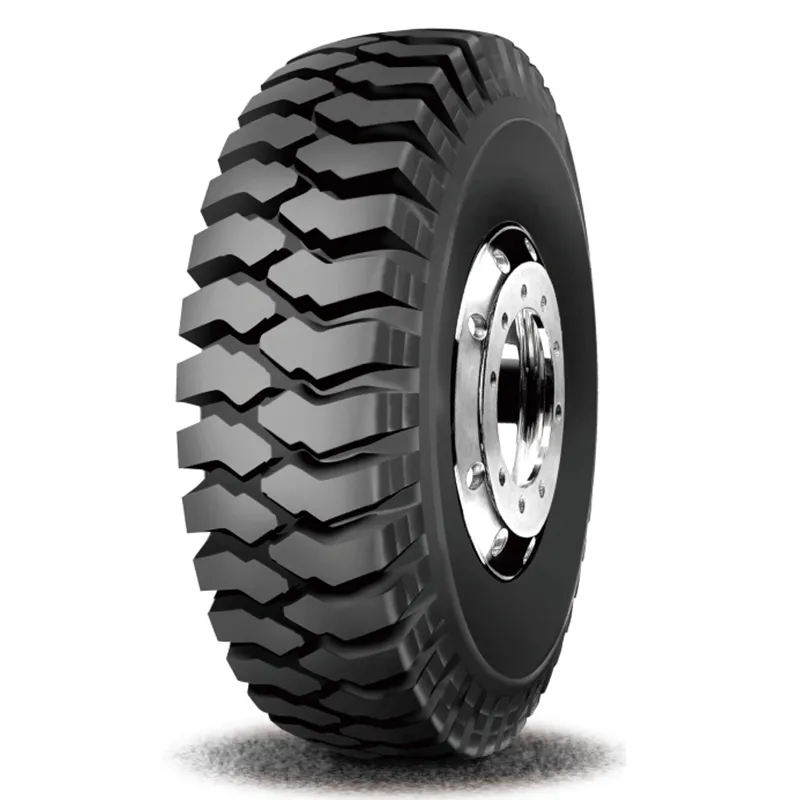
Cost per Mile: The True Profitability Metric for Tire Resellers
Why upfront price misleads—how service life erodes margin on low-treadwear tires
Resellers often fixate on the initial purchase price when selecting tires, assuming a lower wholesale cost yields higher margins. But tires with low treadwear ratings can silently erode profitability. Rapid tread wear triggers returns—each requiring labor for mounting and balancing, staff time, and potential warranty write-offs if the manufacturer declines coverage. Dissatisfied customers rarely return for future purchases and may share negative experiences, damaging reputation and long-term revenue.
The true cost of selling a budget tire includes these hidden after-sale expenses—which can easily exceed the initial margin. In contrast, a longer-lasting tire—even at a higher upfront price—delivers lower cost per mile for the customer and reduces warranty-related friction for the reseller. For example, a $60 tire with 30,000 miles of service costs $0.002 per mile; a $90 tire lasting 60,000 miles costs just $0.0015 per mile. That 25% reduction in cost per mile translates directly into stronger customer loyalty, fewer returns, and more repeat business. For resellers, profitability isn’t defined by sticker price—it’s determined by lifetime value per transaction.
Calculating cost per mile using UTQGS treadwear, real-world wear rates, and typical resale cycle length
The Uniform Tire Quality Grading System (UTQGS) treadwear rating is the most accessible benchmark for estimating relative service life. While not a direct mileage guarantee, it offers a standardized comparison: a tire rated 400 should last roughly twice as long as one rated 200 under identical test conditions. To convert UTQGS numbers into actionable estimates, resellers can apply a conversion factor of 100–120 miles per UTQGS point for passenger tires under normal use—so a 600-rated tire suggests 60,000–72,000 miles.
But real-world performance depends heavily on local variables. Aggressive driving, rough roads, or inconsistent maintenance can reduce actual mileage by 20–30%. Fleet customers rotating tires regularly often achieve results near the upper end of the range; retail buyers—who may neglect alignment or inflation—typically fall toward the lower end. Resellers can refine estimates further by tracking their own replacement data: a 700-rated tire may deliver 70,000 miles on highways but only 50,000 in stop-and-go city traffic. Aligning expected mileage with the dominant use case of your customer base makes the cost-per-mile calculation far more accurate.
The formula remains simple:
Cost per Mile = Tire Price ÷ Expected Mileage
Integrating UTQGS ratings, local wear patterns, and typical resale cycle length (e.g., 2–3 years for fleets, 4–6 years for retail) into a basic spreadsheet allows resellers to objectively rank inventory—not by price alone, but by long-term value delivered. This shifts purchasing decisions from short-term margin to sustainable profitability.
UTQGS Treadwear Ratings: Practical Interpretation and Reseller-Specific Limitations
Translating UTQGS numbers into expected mileage under mixed-use conditions (fleet rotation vs. retail resale)
The UTQGS treadwear number is a comparative index—not a mileage promise. It reflects wear rate against a control tire graded at 100 on a controlled 7,200-mile course. For resellers, its utility lies in relative assessment: a 600-rated tire will likely outlast a 400-rated one within the same brand’s lineup, though cross-brand comparisons are less reliable.
A practical rule of thumb: each 100-point increase in UTQGS correlates with ~10,000–12,000 additional miles for passenger vehicles—but only under consistent conditions. Fleet operations benefit from disciplined rotation, alignment, and pressure management, pushing actual mileage closer to the top of that range. Retail consumers, however, often lack that discipline. A 500-rated tire may deliver 50,000 miles in a fleet setting but only 40,000 in typical owner-driven use. The reseller’s role is to set realistic expectations—explaining that treadwear is a potential, not a guarantee—and tailoring recommendations to how the tire will actually be used.
When higher ratings backfire: How over-engineered compounds reduce short-cycle resale appeal
Higher UTQGS ratings aren’t universally advantageous—especially in resale channels where vehicle ownership cycles are short. Tires rated 700 and above typically use harder rubber compounds and closed, shallow tread designs optimized for longevity, not responsiveness. While an 800-rated tire may last 90,000 miles, its firmer ride, reduced wet grip, and increased road noise are immediately perceptible to drivers—whereas extended life is a distant, abstract benefit.
In markets where buyers replace vehicles every two to three years, this trade-off undermines perceived value. Customers notice compromised comfort and braking before they ever reach 50,000 miles—and may blame the reseller. Stocking tires with moderate UTQGS ratings (500–600) often better serves resale demand: they deliver sufficient durability to avoid early wear complaints while preserving new-tire feel, noise control, and all-season traction. This alignment between product lifecycle and typical ownership duration improves satisfaction, lowers returns, and strengthens brand trust.
Top Tire Brands for Resellers: Balancing Cost, Tread Life, and Market Demand
Michelin Defender T+H: Premium longevity vs. margin compression in mid-tier resale channels
The Michelin Defender T+H exemplifies the premium longevity trade-off. With a UTQGS treadwear rating of 800 and an 80,000-mile limited warranty, it delivers exceptional service life—often 80,000–90,000 miles in real-world use. Yet its wholesale price ($150–$200 per tire) compresses margins in price-sensitive mid-tier resale channels, where online comparison shopping pressures pricing.
Success with this tire hinges on reframing the conversation—from upfront cost to long-term value. At $180 and 80,000 miles, its cost per mile is $0.00225—lower than many $120 budget tires wearing out at 50,000 miles ($0.0024). Resellers who pair it with value-added services—like free lifetime rotations or bundled alignment packages—recover margin while reinforcing the tire’s durability story. Without that narrative, the Defender risks sitting on shelves, tying up working capital without generating returns.
Cooper Discoverer SRX and value-line alternatives: Where tread life meets price-sensitive buyer expectations
For budget-conscious buyers, the Cooper Discoverer SRX and comparable value-line options strike a pragmatic balance. With a UTQGS rating around 700, these tires reliably deliver 60,000–70,000 miles at a wholesale cost 30–40% below premium alternatives. That $100–$130 price point accelerates inventory turnover and broadens appeal—particularly in markets where affordability outweighs theoretical long-term savings.
Shorter replacement cycles (every 4–5 years vs. 6–7) also encourage repeat visits, offsetting lower per-unit margins through volume. However, resellers must proactively manage expectations: value-line compounds may exhibit greater variability in wet traction, noise, and wear consistency—especially under poor maintenance. Offering a complimentary 5,000-mile wear check builds credibility, demonstrates care beyond the sale, and turns first-time buyers into loyal, repeat customers.
Maximizing Tire Service Life Through Reseller-Driven Best Practices
For resellers, the sale is not the endpoint—it’s the beginning of a tire’s service life and the start of a deeper customer relationship. Proactive, evidence-based guidance can extend tire life by up to 25%, directly improving the cost-per-mile metric customers care about most—and reinforcing the reseller’s role as a trusted advisor.
Start with inflation: underinflation is the single largest controllable cause of premature wear. Research from the U.S. Department of Transportation and industry studies confirm that a consistent 20% underinflation state can reduce tread life by 30% and increase fuel consumption by 3.3%. Recommending bi-weekly pressure checks—and providing a quick reference chart at checkout—turns a technical detail into an easy, high-impact habit.
Go further with structured rotation and casing strategies. For commercial and fleet customers, aligning rotation intervals with OEM-specified intervals prevents irregular wear and delays replacement. This naturally extends into casing management: worn tires aren’t waste—they’re assets. Resellers offering retreading support or partnering with certified retreaders help clients achieve 30–50% savings per mile versus new tires, often with equivalent performance. Using simple tracking—like barcode-scanned service logs—ensures only sound carcasses enter retread cycles, maximizing safety and yield.
By guiding customers through the full tire lifecycle—not just the sale—the reseller elevates the conversation from price to partnership, from transaction to total cost of ownership. That shift secures loyalty, stabilizes revenue, and builds defensible competitive advantage.
FAQs
What is cost per mile and why is it important for resellers?
Cost per mile is a profitability metric showing the cost associated with each mile of service provided by a tire. It helps resellers assess long-term profitability beyond upfront pricing.
How can UTQGS treadwear ratings help estimate a tire's lifespan?
UTQGS treadwear ratings offer a comparative benchmark. A higher rating means the tire should last longer under similar conditions. Generally, each 100-point increase equates to an additional 10,000–12,000 miles.
Are high UTQGS ratings always better for resale?
No. Tires with very high UTQGS ratings often use harder compounds that can compromise comfort, wet grip, and noise levels, making them less appealing for buyers with short vehicle ownership cycles.
How can resellers extend the lifespan of tires for their customers?
Proactive practices like encouraging regular pressure checks, structured rotations, and offering retreading partnerships can improve tire lifespan by up to 25%.