
 EN
EN
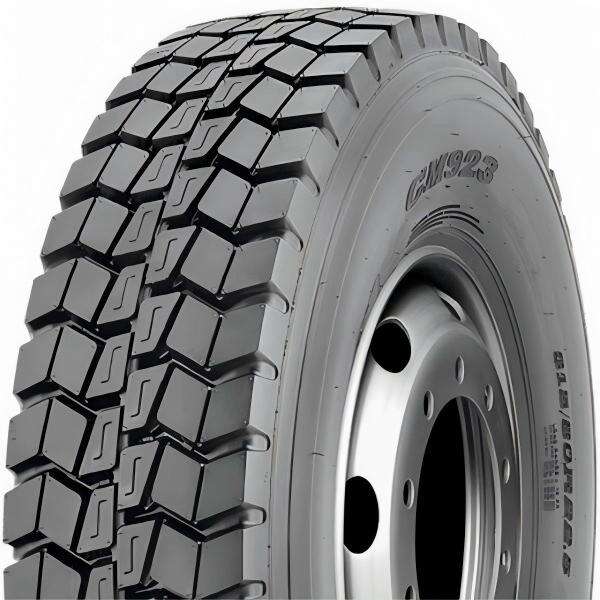
Radial Tires Deliver Superior Fuel Efficiency for Long-Haul Fleets
How Radial Construction Minimizes Rolling Resistance
Radial tires feature plies oriented perpendicularly to the direction of travel, enabling the sidewall and tread to function independently. This design maintains a stable, consistent contact patch while allowing flexible sidewalls to absorb road irregularities—reducing energy-wasting deformation and heat-generating friction. As a result, rolling resistance drops 20–30% compared to bias-ply tires, requiring 5–10% less engine power to sustain speed. That mechanical efficiency translates directly into measurable fuel savings—especially critical for heavy loads traveling hundreds of thousands of miles annually.
Real-World Fuel Savings: Data from Class 8 Fleet Operations
Fleets operating Class 8 trucks averaging 100,000 miles per year consistently report 500–1,000 gallons of diesel saved per vehicle after switching to radial tires. At current average diesel prices, that’s $2,000–$4,000 in annual fuel cost reduction per truck. These gains compound across large fleets, reinforcing why 68% of commercial transporters now specify radials for highway operations—where sustained fuel efficiency directly supports margin integrity and competitive bidding.
Extended Tread Life and Consistent Wear Reduce Replacement Frequency
Radial vs. Bias-Ply: Tread Mileage and Wear Pattern Analysis
Radial tires routinely achieve 100,000+ miles of service life in long-haul applications—nearly double the 50,000–70,000-mile range typical of bias-ply designs. Their steel-belted construction preserves tread rigidity under sustained load, preventing irregular wear patterns like cupping and scalloping. Uniform contact pressure across the tread surface also eliminates premature shoulder wear—a leading cause of early replacement in bias-ply tires.
Heat Dissipation and Structural Stability Under Continuous Load
Radial tires dissipate operational heat 27% more effectively than bias-ply alternatives, thanks to optimized cord angles and flexible sidewall geometry. This thermal management keeps internal temperatures below critical thresholds—even at maximum load and speed—slowing rubber degradation and preserving compound integrity over time. The result is not only longer service life but also significantly reduced blowout risk during high-mileage hauls.
Enhanced Highway Handling, Stability, and Driver Confidence
Radial tires transform highway performance through structural synergy: flexible sidewalls absorb road imperfections, while rigid steel belts maintain precise tread-to-road contact. This combination sharply reduces lateral sway and trailer push—particularly valuable when navigating curves or crosswinds. Unlike bias-ply tires, which can exhibit “walking” behavior under load, radials deliver predictable, responsive steering with minimal corrective input. Independent testing confirms up to 15% improved cornering grip on wet pavement, directly supporting accident avoidance. For drivers managing 10- to 14-hour shifts, that consistency builds confidence during evasive maneuvers and sudden lane changes—making radial tires a foundational element of long-haul safety strategy.
Lower Total Cost of Ownership with Radial Tires
Reduced Downtime, Maintenance Intervals, and Lifecycle Cost Modeling
Radial tires extend service life by 2–3× versus bias-ply alternatives—dramatically cutting unplanned replacements that disrupt delivery schedules. With FMCSA data indicating average hourly downtime costs of $500, even one avoided roadside failure delivers immediate ROI. Uniform wear and superior heat dissipation also reduce maintenance frequency by 30–40%, lengthening inspection intervals without compromising safety.
When modeling total cost of ownership (TCO) over 500,000 miles, three radial advantages dominate:
| Cost Component | Radial Advantage | Impact on TCO |
|---|---|---|
| Fuel Efficiency | Up to 6% lower consumption | Saves ~$8k annually per truck |
| Retread Potential | Multiple lifecycles (2–3 retreads) | Cuts replacement costs by 50% |
| Downtime Prevention | 60% fewer failure-related stops | Preserves $120k+ annual revenue |
These efficiencies reliably offset radials’ higher initial purchase price—delivering 15–30% lower TCO over the full lifecycle. Maximum value emerges when fleets pair radial tires with predictive maintenance practices, including data-driven rotation scheduling and real-time inflation monitoring.
Frequently Asked Questions (FAQ)
Why do radial tires offer better fuel efficiency compared to bias-ply tires?
Radial tires have a unique construction where plies are oriented perpendicularly to the direction of travel, minimizing rolling resistance and reducing energy-wasting deformation, which leads to significant fuel savings.
How much fuel can fleets save annually by switching to radial tires?
Fleets using Class 8 trucks can save 500–1,000 gallons of diesel per vehicle annually, translating to $2,000–$4,000 at average fuel prices.
What makes radial tires last longer than bias-ply alternatives?
Radial tires feature steel-belted construction, which maintains tread rigidity under load and prevents irregular wear patterns, doubling service life compared to bias-ply designs.
How does the use of radial tires impact driver safety?
Radial tires enhance safety by providing stable tread-to-road contact, reducing lateral sway, and improving cornering grip, especially on wet pavement. These features support accident avoidance and build driver confidence.
Do radial tires justify their higher initial cost?
Yes, because radial tires deliver significant lifetime savings through better fuel efficiency, extended service life, reduced downtime, and lower total cost of ownership (TCO).
Table of Contents
- Radial Tires Deliver Superior Fuel Efficiency for Long-Haul Fleets
- Extended Tread Life and Consistent Wear Reduce Replacement Frequency
- Enhanced Highway Handling, Stability, and Driver Confidence
- Lower Total Cost of Ownership with Radial Tires
-
Frequently Asked Questions (FAQ)
- Why do radial tires offer better fuel efficiency compared to bias-ply tires?
- How much fuel can fleets save annually by switching to radial tires?
- What makes radial tires last longer than bias-ply alternatives?
- How does the use of radial tires impact driver safety?
- Do radial tires justify their higher initial cost?