
 EN
EN
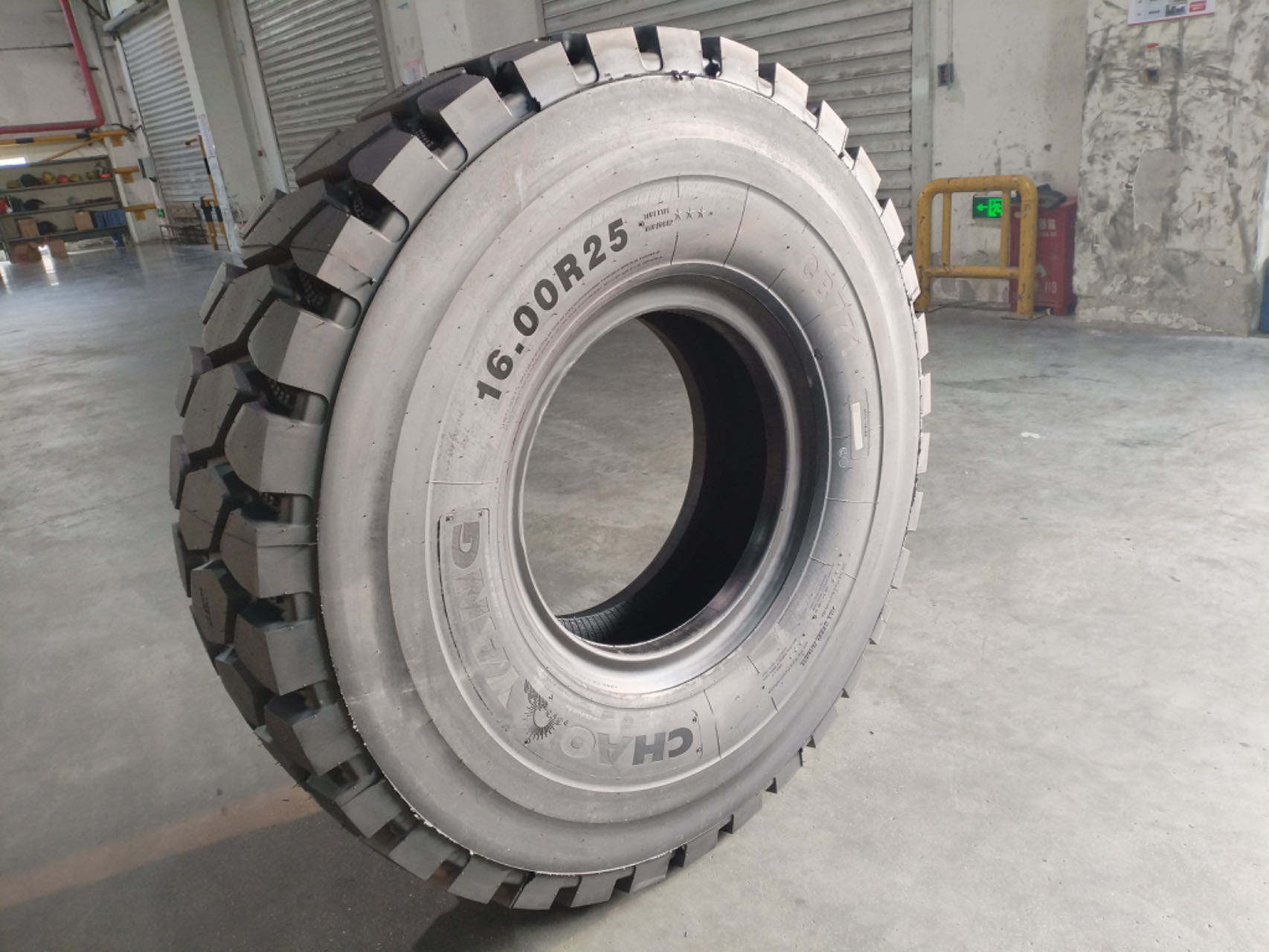
Why Heavy Duty Tires Are Engineered for Construction Longevity
Built specifically for the rough stuff in construction sites, heavy duty tires can handle all sorts of punishment from rocky ground to sharp bits of debris, massive weights, and long hours of work. Standard tires just don't cut it here because these bad boys come with extra strong steel layers inside and special rubber mixtures designed to resist cuts, absorb impacts, and stand up against wear and tear. The treads on these tires are really deep and angled in multiple directions so they grip well even when driving through gravel or mud, plus they spread out the weight across the whole tire surface instead of letting one spot take all the beating. And let's not forget about their impressive load capacity ratings either. Some models can actually support upwards of 8,000 pounds each without falling apart, which makes them indispensable for serious construction jobs where regular tires would fail within days.
The ability to resist punctures gets better when manufacturers build tires with multiple layers in the sidewall area plus strong outer casings. This design cuts down on those frustrating blowouts that stop operations dead in their tracks. When it comes to heat management, tire makers have been working on special tread patterns and unique rubber compounds that actually keep things cooler inside the tire during long shifts at work sites. Less heat means the rubber stays intact longer instead of breaking down prematurely. According to recent data from Global Tire Report 2023, properly cared for heavy duty mining truck tires last about 20 to 30 percent longer than regular ones. Getting the right tire specs matched up with what each piece of equipment actually does day to day makes all the difference too. The wrong tire can wear out faster while the right match saves money over time because they simply don't need replacing as often.
Core Maintenance Practices That Maximize Heavy Duty Tire Lifespan
Optimal Inflation: The #1 Factor in Heat Control and Wear Reduction
Getting tire pressure right stands out as probably the best thing anyone can do to make those heavy duty tires last longer. When tires are underinflated, the sidewalls start flexing too much, which creates all sorts of internal heat inside the tire casing. This heat basically cooks away at the rubber over time. On the flip side, when there's too much air in the tires, the contact area with the road gets smaller, so most of the wear happens right in the middle of the tread pattern. Field data from trucking companies and equipment manufacturers shows these issues can cut tire life anywhere between a quarter to almost half. That kind of difference adds up fast in maintenance costs for any operation running multiple vehicles.
Always verify pressure when tires are cold—idle for at least 24 hours—and use calibrated gauges. Cross-reference manufacturer load-inflation tables for your equipment’s actual operating weight, not just its rated capacity. This discipline prevents irregular wear, casing fatigue, and alignment-induced failures while also supporting fuel efficiency.
Scheduled Inspections and Rotation Protocols for Uneven Load Distribution
Construction equipment subjects tires to inherently uneven loading due to repetitive digging, hauling, and grading. Bi-weekly inspections should assess:
- Sidewall cuts or impact damage from rocks and debris
- Tread depth variance exceeding 4/32-inch across the same axle
- Valve stem integrity and bead seat corrosion
Systematic rotation—such as moving front-loader tires to lower-stress rear positions—balances wear and extends usable life. Documenting wear rates per axle helps identify alignment issues early and refine replacement forecasting. When combined with consistent inflation control, this protocol reduces premature tire removals by 30% in large-scale fleet applications.
Advanced Strategies: Telematics, Data Analytics, and Duty-Cycle Alignment
Telematics systems are changing how we think about heavy duty tires, turning them from simple parts into smart devices that collect valuable data. The TPMS sensors built into these systems provide immediate information about things like tire temperature, how weight is distributed across the tires, and when the tread starts wearing down. All this info goes to a central dashboard where operators can spot problems before they become serious issues. When there's a slow drop in tire pressure, which often leads to early tire failure, drivers catch it within just a few minutes instead of waiting days to notice anything wrong. Advanced software takes all this sensor data and creates warnings that tell operators exactly what needs attention next. These predictions about how long the tire will last actually hit around 90 percent accuracy after being adjusted based on how each specific truck has been used historically.
AI-Powered Tread Monitoring and Predictive Replacement Alerts
The AI systems look at detailed scans of tire treads throughout the whole surface area, picking up tiny changes measured in millimeters that point to problems like wheel misalignment, low pressure, or something wrong with the mechanics. If these differences go beyond what's considered normal around the 3mm mark, the software creates work orders for maintenance crews so they can fix things before excessive heat starts wearing down the tires faster than usual. Real world testing has demonstrated pretty impressive results too. Companies using this kind of smart monitoring saw about 40 fewer surprise tire failures each year and spent roughly 22% less time dealing with tire related delays according to Construction Tech Review from last year.
Matching Heavy Duty Tire Specifications to Equipment Duty Cycles
Construction work puts different kinds of stress on tires depending on what's going on at the site. Telematics systems are showing us some important factors that matter when choosing tires. Things like how far materials get hauled on average, whether the ground is rocky or muddy clay, and how much time trucks spend actually moving versus sitting idle all play a role. When tire manufacturers match their products to these real world conditions, they see real improvements. Some fleet managers have reported around 18 percent longer tire life as a result. Take rock quarries for example. Trucks there that use those special deep treads designed to resist cuts lasted about 6,200 hours before needing replacement. Standard treads only made it to around 5,200 hours under similar working conditions. That extra thousand hours adds up over time.
Real-World Validation: Case Evidence of Extended Service Life
Off-Highway Truck: 22% Longer Average Tire Life with Structured Maintenance
Looking at actual results shows that regular maintenance really pays off in the long run. Take one example from the world of off-road trucks where a specific model saw tire life jump by around 22% once they started following a proper maintenance schedule. What did this program involve? Simple but effective stuff like checking tire pressure when cold every week. Why does this matter so much? Well, tires that are not properly inflated wear out way too fast, and according to data from Rubber Manufacturers Association back in 2023, this causes about 80% of all early tire damage. Alongside those weekly checks, the company also made sure to rotate tires every other month to spread out the wear evenly across all four wheels.
When we looked at thermal images, they showed around 15 degrees Celsius lower operating temps during those busy peak periods, and this was clearly connected to better inflation practices. The strange wear marks on components just stopped appearing altogether, and parts needed replacing about 19 percent less often than before. What does all this mean? Well, it proves beyond doubt that when companies actually take the time to maintain their gear based on real data rather than guesswork, things last longer. Equipment breakdowns become less frequent, repair bills shrink, and machines stay running instead of sitting idle in workshops waiting for fixes. The numbers don't lie here folks.
Frequently Asked Questions
What makes heavy duty tires different from regular ones?
Heavy duty tires are built with strong steel layers and special rubber mixtures to resist cuts, absorb impacts, and endure wear and tear. They have deep treads for better grip and can support heavy loads.
How important is tire pressure in maintaining heavy duty tires?
Tire pressure is crucial for maximizing the lifespan of heavy duty tires. Proper inflation helps prevent excessive heat buildup, uneven wear, and premature tire damage.
How can telematics systems improve tire maintenance?
Telematics systems provide real-time data on tire temperature, pressure, and tread wear, enabling operators to address issues before they lead to tire failure.
What role does AI play in heavy duty tire management?
AI systems monitor tire treads, detecting minor changes that could indicate misalignment or pressure issues. They generate alerts for maintenance, reducing the risk of tire-related delays.