
 EN
EN
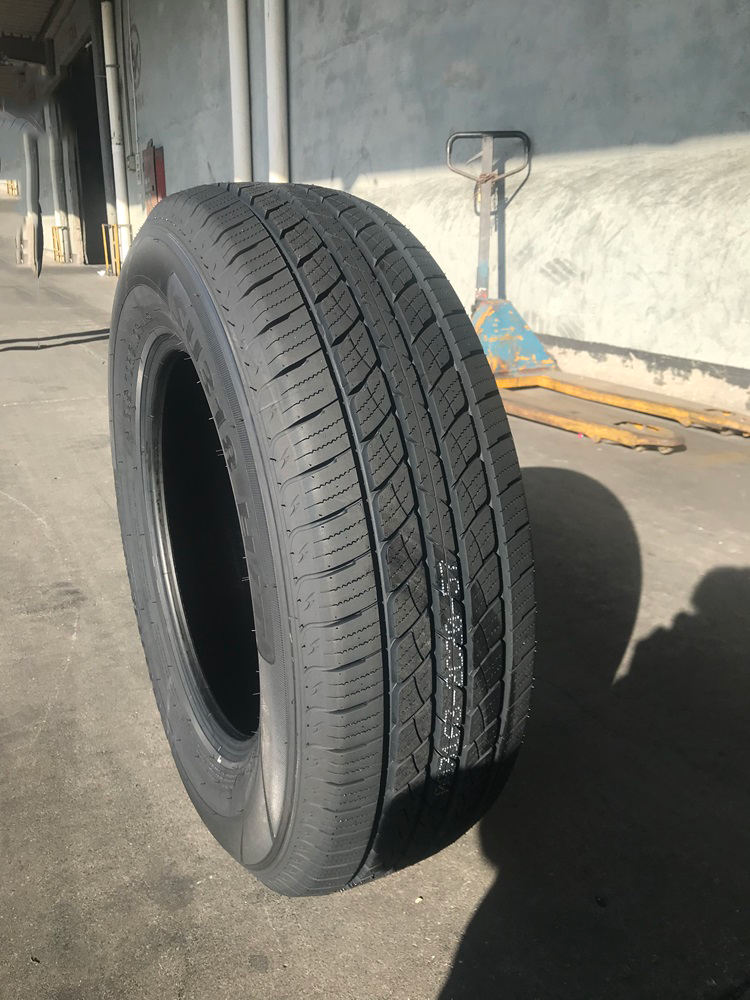
Calculate True Total Cost of Ownership for Commercial Tires
Key TCO drivers: acquisition cost, tread life, fuel efficiency, and downtime impact
Total Cost of Ownership (TCO) for commercial tires extends far beyond initial purchase price. Four interdependent factors determine lifetime expense:
- Acquisition cost (15–25% of TCO) includes volume discounts but remains secondary to operational performance
- Tread life directly governs replacement frequency—premium tires deliver up to 40% longer mileage than economy alternatives, reducing labor and disposal costs
- Fuel efficiency, driven by rolling resistance, creates 3–8% fuel consumption differences across tire models
- Downtime impact incurs hidden but substantial costs: roadside assistance, missed deliveries, and idle labor average $740/hour (Ponemon Institute, 2023)
Together, tread life and fuel efficiency typically account for ~70% of achievable TCO reduction—making them the highest-leverage levers for fleet managers prioritizing long-term value over upfront savings.
Real-world case: 12-month TCO comparison across three leading commercial tire suppliers
A controlled 2024 fleet trial across identical heavy-duty routes revealed how operational performance outweighs acquisition cost:
| TCO Component | Supplier A (Premium) | Supplier B (Mid-Tier) | Supplier C (Economy) |
|---|---|---|---|
| Acquisition cost | +22% | Baseline | -18% |
| Tread life | 180,000 miles | 130,000 miles | 95,000 miles |
| Fuel efficiency | +5.3% | +1.8% | -3.1% |
| Downtime incidents | 0.7/vehicle/year | 1.9/vehicle/year | 3.5/vehicle/year |
| Total TCO/mile | $0.38 | $0.49 | $0.57 |
Supplier A’s 23% lower TCO stemmed from 50% fewer roadside events and 8,000 gallons of annual fuel savings across 100 trucks—proving that premium tires generate ROI through reliability and efficiency, not discount pricing.
Verify Fleet-Scale Support Capabilities of Commercial Tire Suppliers
Network readiness: 24/7 roadside assistance coverage, regional warehousing, and service center density
Fleet-scale support hinges on three verifiable infrastructure elements:
- 24/7 roadside assistance, with guaranteed response windows—not just availability
- Regional warehousing, enabling same-day tire access within a 500-mile radius of key operational corridors
- Service center density, requiring ≥2 certified facilities per major freight corridor (e.g., I-35, I-95, I-10)
Location really makes a difference when it comes to trucking operations. Take Midwest fleets that work with suppliers having warehouses close to Interstate-35. These companies saw their average downtime drop dramatically from over 8 hours down to just under 2 hours following equipment failures. Looking at the latest 2023 Department of Transportation fleet maintenance reports paints an even clearer picture. Fleets situated within about 100 miles of a certified service center typically get help within 2 hours. Compare that to those stuck in more remote areas where response times stretch out to 12 hours or more. This kind of time difference has real consequences for keeping shipments on schedule and meeting those all-important delivery performance metrics that logistics managers track so closely.
Telematics integration success: How supplier-enabled data reduced unplanned downtime
Suppliers that embed telematics into tire management shift operations from reactive to predictive. Verified integrations deliver:
- Real-time pressure and temperature monitoring
- Automated tread-wear alerts tied to OEM-recommended replacement thresholds
- Driver behavior analytics identifying cornering, braking, or inflation patterns linked to irregular wear
A major transportation company saw their unplanned downtime drop by nearly 40% last year when they started using telematics systems integrated with suppliers. The technology caught those pesky slow leaks long before they became big problems, while vehicles showing odd heat patterns got redirected before breakdowns happened. This saved them around 23 emergency stops each month according to internal reports. And there was another benefit too tires lasted almost 18% longer on average. That might not sound like much at first glance, but over time it adds up significant savings in both money spent on new tires and the labor costs associated with constant replacements and retreading work.
Audit Performance Consistency Across Commercial Tire Lines and Geographies
Treadwear reliability analysis: DOT inspection data from 50,000+ commercial tires (2023–2024)
Looking at DOT inspection reports covering around 50,000 commercial tires between 2023 and 2024 reveals some pretty big differences in tread wear across different brands and locations. Some tires wore down nearly 32% faster than others in similar conditions, which points to some serious issues with how consistently these products perform out there on the roads. Tires in the Southwest tended to wear about 15% quicker compared to those in the Northeast because of all that intense heat and rough pavement. Coastal areas had their own problems too, with tire grooves wearing away much faster thanks to constant moisture exposure. All these variations led to roughly 19% more unexpected tire changes for companies dealing with unpredictable wear patterns. On the flip side, companies that actually bother to do regular production checks and test tires specifically for different regions managed to keep things within a much narrower range (around plus or minus 7%). Their predicted tire life matched what actually happened in the field most of the time. When manufacturers focus on this kind of thorough approach, they end up with better predictions and can plan their maintenance schedules far more accurately.
Evaluate Contract Terms for Data Transparency and Commercial Tire Flexibility
Non-negotiable clauses: dynamic pricing safeguards, performance-based SLAs, and real-time usage reporting
Optimal commercial tire contracts function as operational tools—not static procurement documents. Three clauses are non-negotiable:
- Dynamic pricing safeguards, which cap annual adjustments and anchor pricing to transparent raw material indexes (e.g., TSR, natural rubber futures), mitigating volatility exceeding 15% quarterly
- Performance-based SLAs, tying payments to measurable outcomes—such as 4-hour emergency response guarantees or 95% minimum treadwear warranties—so supplier accountability directly supports fleet uptime and cost predictability
- Real-time usage reporting, delivered via secure API integration with fleet management systems, enabling proactive maintenance scheduling and retreading decisions; fleets with this capability report up to 30% fewer unplanned downtime events (Fleet Management Association, 2023)
Without these provisions, contracts lack the flexibility and transparency needed to adapt to changing route profiles, fuel costs, or regulatory requirements—turning what should be a strategic partnership into a cost center.
Frequently Asked Questions
- How do acquisition costs affect the Total Cost of Ownership (TCO) for commercial tires? Acquisition costs are only part of the equation, accounting for about 15–25% of TCO. Operational performance such as tread life, fuel efficiency, and downtime impact have greater influence over the lifetime expense.
- What role does fuel efficiency play in tire TCO? Fuel efficiency plays a significant role driven by rolling resistance, causing 3–8% differences in fuel consumption across tire models.
- How can telematics reduce unplanned downtime? Telematics provide real-time monitoring and analytics, enabling predictive maintenance that significantly reduces downtime.
- What should be considered in commercial tire contracts? Contracts should include dynamic pricing safeguards, performance-based SLAs, and real-time usage reporting to ensure operational flexibility and cost predictability.
- Why is regional warehousing important for fleets? Regional warehousing contributes to reduced downtime by enabling quicker access to replacement tires within key operational corridors.