
 EN
EN
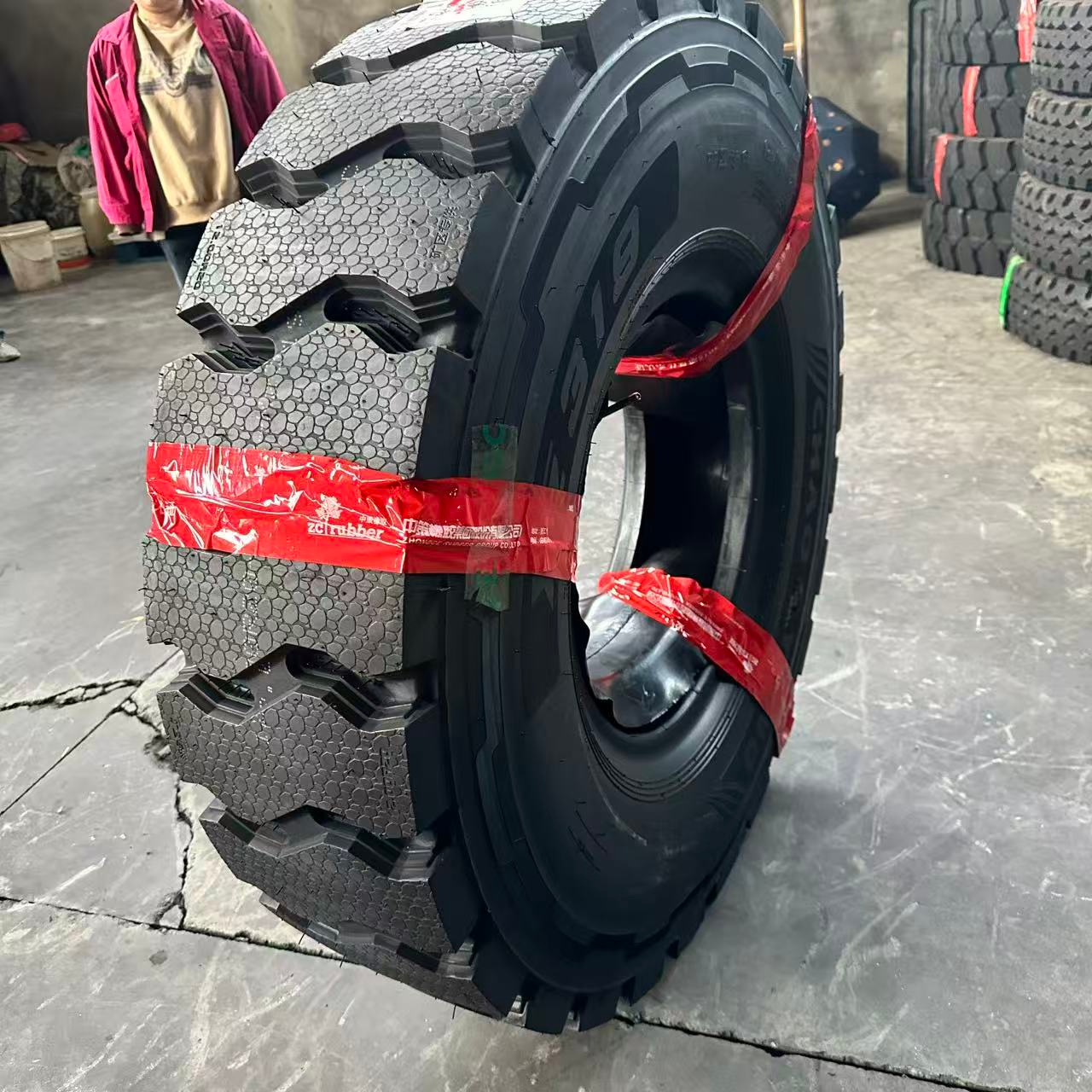
Radial Tire Construction: Engineering Superior Load Capacity and Heat Management
Steel-belted radial architecture: How layered belts and radial cords enable higher load ratings
Radial tires have these cords running straight up and down from one side to the other, separate from those tough steel belts in the tread area. What makes them special is how they let the tire's sides bend and flex independently from the rigid tread part. This means the sides can soak up bumps and cracks in roads while those steel belts keep everything steady where it touches the ground. Because of this setup, weight gets spread out more evenly over the whole contact area, and the tire doesn't get as squished when carrying heavy stuff. Beneath the tread there are several layers of steel belts that give extra strength right where it matters most. These reinforced layers allow radial tires to handle about 20 to maybe even 30 percent more weight compared to old style bias ply tires, all while staying structurally sound. Plus, since the cords go straight up instead of diagonally, there's less energy loss when the tire bends, which actually helps it carry heavier loads more efficiently too.
Thermal stability under sustained load: Reduced heat buildup vs. bias-ply designs
The radial tire design works differently from traditional bias-ply models because it restricts most of the flexing action to just the sidewalls area. Meanwhile, those steel belts in the tread stay pretty much the same shape throughout operation. Bias-ply tires aren't so lucky since their layers tend to rub against each other constantly, creating all sorts of internal friction. Real world tests indicate that these radial designs cut down on heat buildup inside the tire somewhere between 25% to maybe even 40%. And steel does something else better too when it comes to handling heat. It actually moves heat away faster than those nylon materials used in older bias ply constructions. When driving at around 65 miles per hour while carrying maximum weight, radial tires run roughly 27 degrees Fahrenheit cooler than their bias-ply cousins. That temperature difference matters a lot for keeping rubber compounds intact and stopping those nasty blowouts that happen when tires get too hot after long stretches on highways.
Extended Service Life and Lower Total Cost of Ownership with Radial Tires
30–50% longer tread life and even wear patterns in real-world fleet operations
Commercial fleets have found that radial tires typically last between 30 to 50 percent longer than their bias-ply counterparts. The reason? Radials feature a more stable footprint reinforced with steel belts which helps maintain even pressure distribution across the tire surface. This leads to much more consistent wear patterns compared to bias ply tires that tend to develop those annoying edge wear issues, cupping problems, and other irregularities because of their inherent flexibility. Fleet managers report from actual field experience that radial tires can outlast bias ply models by as much as two or even three times when put through similar workloads day after day. Longer lasting tires mean fewer replacements needed, lower parts expenses overall, and significantly less time spent waiting for new tires to be installed. Plus, since the wear is so predictable, it becomes easier to schedule retreading services at just the right moment without unexpected surprises throwing off maintenance plans.
ROI analysis: How fuel savings and mileage gains offset 15–25% higher initial cost
Radial tires might cost anywhere from 15 to 25 percent more when purchased new, but they tend to pay for themselves pretty quickly once on the road. The lower rolling resistance means better gas mileage too, somewhere around 3 to 6 percent improvement. And since these tires last roughly 30 to 50 percent longer than traditional bias-ply models, drivers actually spend less money overall per mile driven. Most commercial fleets find that they get back what they paid extra for the tires just by saving on fuel costs within about a year and a half. There's also the bonus of needing less unexpected repairs, fewer breakdowns along highways, and getting more work done out of each truck before replacement becomes necessary. For those big rigs that log thousands upon thousands of miles each year, even a small 1 percent gain in fuel efficiency translates into nearly $740 saved per vehicle every single year according to recent studies conducted by the Ponemon Institute in 2023.
Fuel Efficiency Gains from Reduced Rolling Resistance in Heavy-Duty Applications
Radial tires cut down on fuel burn for commercial trucking operations mainly because they handle rolling resistance better. Rolling resistance is basically the energy wasted when tires squish and bounce back as they spin around. What makes radials special? They have those steel belts inside, plus special tread materials that don't generate as much heat, along with sidewalls that flex just right without getting too soft. All these features mean less energy gets wasted keeping the vehicle moving forward. Big rigs especially feel this benefit since rolling resistance eats up about 30% of their total fuel use according to NHTSA stats. Even small improvements here pay off big time. If a fleet can knock 10% off rolling resistance, they typically see between 1% to 2% better gas mileage across the board. Looking at actual numbers from companies using them, most report at least 5% better fuel efficiency compared to old style bias-ply tires. This translates to real money saved on diesel costs month after month, all while still passing the tough safety tests and lasting through thousands of miles on the road.
Enhanced Safety, Stability, and Uptime with Radial Tires on Class 7–8 Vehicles
Larger, more uniform contact patch: Improved braking, cornering, and high-speed control
Compared to old school bias-ply designs, radial tires offer a wider and more stable contact area with the road surface. This makes a big difference when drivers need to stop suddenly, sometimes cutting stopping distance by as much as 19 percent according to tests. The tire also handles wet roads better since it reduces the chance of hydroplaning. What's interesting is how the flexible sides of these tires soak up bumps and potholes without sacrificing control when going fast on highways. For those hauling heavy loads in Class 7 through 8 trucks, this combination of features becomes absolutely essential when tackling mountain passes or making sharp turns at speed. Truckers know firsthand that maintaining stability at high speeds with full cargo can mean the difference between safe delivery and disaster on the road.
37% fewer roadside failures and 22% lower unscheduled maintenance (ATA, 2022)
Radial tires built with strong steel belts stand up better against casing fatigue and help avoid those dreaded blowouts when carrying heavy loads. The lower running temps also stop tread from separating early, which is actually what causes most bias-ply tires to fail completely. According to data from the American Trucking Associations in their 2022 reliability study, companies using these tires saw around 37 percent fewer breakdowns on the side of the road and needed about 22 percent less unexpected maintenance work. Fewer breakdowns mean trucks spend more time on the road instead of sitting idle at repair shops. Fleet managers have noticed this leads to roughly 18% higher vehicle usage rates, which translates into more money being made while driving and ultimately cuts down on operating costs per mile driven.
FAQ Section
Why are radial tires preferred over bias-ply tires?
Radial tires are preferred due to their superior load capacity, heat management, extended service life, lower total ownership costs, fuel efficiency, and enhanced safety features.
How do radial tires enhance fuel efficiency?
Radial tires reduce rolling resistance, which minimizes energy loss, leading to better fuel efficiency and cost savings.
Do radial tires require more initial investment?
Yes, radial tires may cost 15–25% more initially, but they offer long-term savings through better fuel efficiency and lower maintenance costs.
How do radial tires improve vehicle safety?
Radial tires provide a more stable contact patch, which enhances braking, cornering, and high-speed control, reducing the risk of accidents.
Table of Contents
- Radial Tire Construction: Engineering Superior Load Capacity and Heat Management
- Extended Service Life and Lower Total Cost of Ownership with Radial Tires
- Fuel Efficiency Gains from Reduced Rolling Resistance in Heavy-Duty Applications
- Enhanced Safety, Stability, and Uptime with Radial Tires on Class 7–8 Vehicles