
 EN
EN
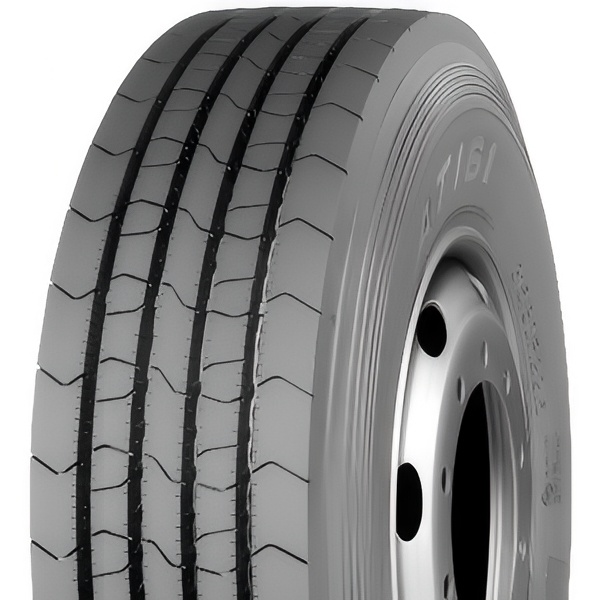
Understanding Tire Size Fundamentals for Heavy-Duty Applications
Decoding tire size nomenclature: width, aspect ratio, rim diameter, and load index
When looking at heavy duty tires, they come with codes like 265/70R17 95H that tell us everything we need to know. Let's break it down. The first number, 265, shows how wide the tire tread is in millimeters. Then comes 70 which means the sidewall height is 70% of that width. The letter R stands for radial construction, something most modern tires use. And finally, 17 tells us the size of the rim in inches. Speaking of numbers, the load index here is 95. What does that mean? Well, each tire can handle up to 1,521 pounds when properly inflated. All these measurements matter because they have to work together with the dump truck's wheels, suspension setup, and what kind of weight the vehicle actually carries during operations.
Why correct tire size directly impacts safety, payload capacity, and regulatory compliance
Getting tire sizes wrong really messes things up for trucks structurally, affects how stable they are when driving, and puts them at risk of getting ticketed. When operators put on bigger tires than what's recommended, it puts extra strain on the suspension parts and raises the truck's center of gravity. This makes rollovers much more likely especially when making sharp turns while carrying heavy loads on those rough haul roads. On the flip side, going too small with tires means worse stopping power since there's less rubber touching the road surface. Smaller tires also mean lower weight capacity limits - sometimes cutting down by over two tons per axle which translates to lost revenue opportunities. Fleet managers need to know that using non-standard tire setups breaks both FMCSA rules and DOT standards. The fines for these violations can hit upwards of twenty five thousand dollars each time they get caught. That's why most savvy operators stick to properly sized tires. They distribute weight better across the ground, which actually makes tires last around thirty percent longer in those harsh quarry conditions where rocks constantly wear down rubber surfaces. The American Trucking Associations saw this trend in their 2023 maintenance reports across multiple fleets nationwide.
Matching Tire Size to Dump Truck Type and Operational Duty Cycle
Rigid vs. Articulated Dump Trucks: Axle Configuration and Weight Distribution Effects on Tire Size Selection
Standard rigid dump trucks work with fixed axles that distribute weight in specific spots along the frame. Because of this setup, operators need bigger tires with high load ratings typically around 22.5 to 24 inch rims rated at least 120 to handle those heavy loads without the truck sagging too much. Articulated trucks are different though they have a hinge right in the middle of the chassis which lets them shift weight between front and rear axles as needed. This actually cuts down on ground pressure by about 30 percent, so mechanics can sometimes get away with smaller tires or lower load ratings while still keeping the same payload capacity. The difference really shows itself when driving over rough ground or soft surfaces where even tire wear becomes a big concern for fleet managers looking to extend tire life and reduce maintenance costs.
High-Cycle Mining, Quarry, and Construction Environments: How Frequency and Terrain Dictate Optimal Tire Size
The harsh realities of mining and quarry work mean operators need tires built to handle brutal conditions and countless cycles. These specialized tires typically feature much deeper treads around 70mm or more, stronger outer casings, and about 15% bigger diameter compared to regular construction tires. This helps them withstand higher temperatures and resist punctures better. When working over rocky ground, using tires that are too small can lead to serious problems. Studies show sidewall damage goes up nearly 40% under these conditions. For road building projects, contractors often go with wider tires that sit closer to the ground. This setup gives better stability on uneven surfaces and cuts down on wasted fuel from constant bouncing. Gravel hauling operations usually find themselves somewhere in the middle with sizes like 295/80R22.5 offering a good compromise between resisting cuts, managing heat buildup, and still being able to navigate tight spaces effectively.
Load Capacity, Manufacturer Specifications, and Tire Size Alignment
Accurately aligning tire size with load capacity and OEM specifications is non-negotiable for safety and compliance. The load index—a numeric code on the sidewall—directly defines maximum load per tire at specified inflation. For example:
| Load Index | Max Load per Tire (lbs) |
|---|---|
| 90 | 1,323 |
| 95 | 1,521 |
| 100 | 1,764 |
| 105 | 2,039 |
Going beyond recommended limits can lead to serious tire failures when carrying heavy loads, while going too small just wears down what little margin remains legally allowed. When manufacturers set their specs, they look at several key factors including how weight distributes across axles, how well brakes handle heat buildup, and what each particular model can stand before losing stability. Take a standard 40 ton rigid dump truck as an example it generally needs tires rated at least load index 120 to handle those unexpected 20% overloads that happen so often on hills and inclines. The numbers on factory stickers should never be taken as gospel though mining operations almost always need bigger load capacities compared to regular construction work, even if both vehicles have exactly the same gross vehicle weight rating. Not paying attention to all this stuff means faster tire replacement costs, lost warranty coverage, and potentially running afoul of FMCSA regulations found in part 393.75.
Tread Design, Durability, and Terrain-Specific Tire Size Implications
How Aggressive Tread Patterns and Reinforced Sidewalls Influence Effective Tire Size Performance in Off-Road Conditions
When it comes to off-road performance, it's not just about what the specs say on paper. The way tires actually perform depends heavily on tread design and how they're built. Take those deep, open lug patterns classified as L2 through L5 for instance. These patterns grab better traction in muddy conditions and help clean themselves out as they roll, which can effectively make the tire act like it's about 2 inches wider on soft ground because of deeper bite. On the flip side, when driving over rocky terrain, tires with closely spaced lugs tend to handle better since they don't get stuck between rocks so easily. Most serious off-road tires come with reinforced sidewalls these days. This reinforcement stops the tire from flexing too much when hit by obstacles, something that happens when tires are underinflated and causes them to lose contact area with the ground, reducing what they can carry safely. Sure, aggressive treads might make things less stable on paved roads, and stiffer tire construction isn't great for ride comfort either. But putting all these features together keeps tires performing close to their rated size even when bouncing down rough haul roads filled with sharp debris and steep hills. This setup helps prevent tires from wearing out too quickly and maintains those important safety margins needed for heavy loads.
FAQ
What do the numbers on a heavy-duty tire mean?
The numbers on a heavy-duty tire indicate the tire's width in millimeters, the aspect ratio (height to width), radial construction, rim diameter in inches, and load index which shows the maximum weight it can support when properly inflated.
Why is it important to choose the correct tire size for heavy-duty vehicles?
Choosing the correct tire size is crucial for safety, vehicle stability, regulatory compliance, and optimizing payload capacity. Incorrect sizes can lead to mechanical stress, increased rollover risk, poor braking performance, and fines for non-compliance.
How do rigid and articulated dump trucks differ in tire size needs?
Rigid dump trucks need larger tires with higher load ratings due to their fixed axle design, while articulated dump trucks can use smaller tires due to their hinge design, which allows for better weight distribution.
What impact does tire tread design have on off-road performance?
Tread design significantly affects off-road performance. Aggressive tread patterns offer better traction in muddy conditions, while reinforced sidewalls minimize flexing when encountering obstacles, maintaining safety margins on rough terrains.