
 EN
EN
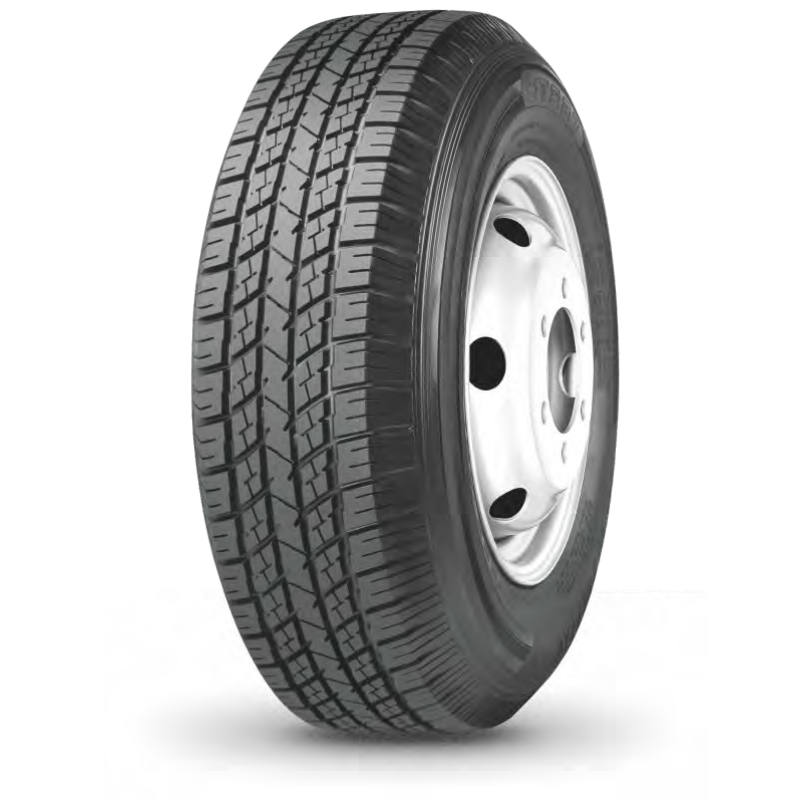
Why Bulk Trailer Tires Are Strategically Viable for Logistics Fleets
Matching trailer tire demand with fleet scale: Annual replacement cycles and uptime requirements
Most big logistics companies end up replacing around 20 to 30 percent of their trailer tires every year just to stay compliant with safety regulations. When fleet managers align their tire purchases with these regular replacement cycles using smart forecasting tools, they can avoid those costly unexpected breakdowns. The numbers tell the story pretty clearly - when a trailer sits idle waiting for repairs, it burns through about $740 each day according to research from Ponemon Institute back in 2023. Smart planning goes further than just timing purchases right. It actually helps implement better tire rotation practices across the fleet. These rotations not only keep tires working longer but cut down on last minute emergency replacements by roughly forty percent, saving both money and headaches for operations teams.
The operational cost advantage of bulk trailer tires vs. piecemeal procurement
Bulk procurement delivers 15–22% lower per-tire costs through volume discounts and logistical efficiencies—shifting tire management from a reactive expense to a strategic lever. The contrast is clear:
| Procurement Method | Cost Per Tire | Administrative Burden | Downtime Risk |
|---|---|---|---|
| Piecemeal | $220–$250 | High (repeated orders) | 68% higher |
| Bulk | $180–$195 | Low (consolidated) | Mitigated |
Leading operators report a 19% reduction in total cost of ownership under bulk programs—driven primarily by eliminated rush-order premiums, reduced freight fees, and improved container utilization. Consolidated shipments also cut carbon emissions by 30% per tire, supporting both sustainability goals and long-term cost discipline.
Overcoming Supply Chain Barriers to Bulk Trailer Tire Distribution
Supplier Fragmentation and Lead Time Variability in the Trailer Tires Market
Trailer tire manufacturing remains scattered across different regions, with varying levels of certification and production capabilities. Many smaller local companies struggle with complete DOT requirements and run into serious production delays when demand spikes. Meanwhile big name suppliers tend to lock up their capacity with long term contracts for huge fleet operators, which leaves mid sized trucking companies at the mercy of unpredictable market swings. Maintenance schedules get disrupted because delivery times can swing anywhere from 4 to 8 weeks longer each year according to NHTSA data from 2023. Smart purchasing teams combat these issues by vetting potential vendors through ISO 9001 quality checks ahead of time and working out special pricing deals that ensure access to tires even during busy periods. This approach keeps the supply chain stable while still allowing room for adjustments as conditions change.
Logistics Constraints: Weight, Cube, and Securing Challenges for Bulk Trailer Tires Shipment
Shipping large quantities of trailer tires comes with some real logistical headaches. Just think about it - one pallet alone can tip the scales at around 750 kilograms and take up nearly 2.5 cubic meters of space. That puts serious strain on regular containers and makes securing everything properly a nightmare for transport teams. When companies stack these tires horizontally, they end up wasting tons of valuable airspace inside containers. But switching to vertical stacking with those special dunnage materials between layers actually boosts space usage by about 30%. Working with transportation companies that specialize in handling oversized cargo is absolutely critical. These experts know how to brace loads correctly and follow those ISTA 3E vibration tests that help keep things stable during transit. The FMCSA reports that damage happening while in transit accounts for roughly 15% of all early tire failures, so getting this right really makes a difference.
Optimizing Bulk Procurement: Models, Partnerships, and Inventory Strategy
National account programs and vendor-managed inventory (VMI) for trailer tires
When companies implement national account programs, they basically pool their buying power across different regions. This approach helps standardize product specs, makes dealing with suppliers much easier, and keeps quality consistent throughout all locations. Many businesses also adopt vendor managed inventory or VMI systems where suppliers take over tracking stock levels and restocking parts automatically. The suppliers get real time data from actual equipment usage in the field to decide when shipments need to happen. According to some recent research in industrial equipment management, these automated systems cut down stockout incidents by around 35% compared to old fashioned manual methods. Plus, they adjust inventory levels right when demand jumps during peak seasons, so companies don't have to keep huge amounts of spare parts sitting around at each location while still maintaining reliable operations.
Balancing volume discounts with carrying costs and obsolescence risk
Buying tires in bulk definitely saves money upfront but comes with some real headaches. Storage becomes a problem because these things take up so much space. Plus there's the risk that regulations will change or vehicle specs will update before those tires get used. And let's not forget about tying up cash that could be spent elsewhere. Looking at industry numbers, companies generally spend between 18 to 25 percent on storing all those tires alone. That includes everything from warehouse fees to insurance costs and what else could have been done with that money. Smart fleet managers work around this by including just-in-time delivery terms in their contracts. Instead of buying everything at once, they spread out purchases across quarters based on how fast they actually need them. This keeps the price breaks without getting stuck with extra stock. Adding seasonal forecasts to the mix helps even more. Nobody wants to end up with a warehouse full of tires right when nobody needs them anyway.
FAQ
Q: What is the annual replacement rate of trailer tires for logistics companies?
A: Most logistics companies replace around 20 to 30 percent of their trailer tires annually to comply with safety regulations.
Q: How does bulk procurement of trailer tires benefit logistics fleets?
A: Bulk procurement offers 15–22% lower per-tire costs, reduces administrative burdens, mitigates downtime risk, and supports sustainability by cutting carbon emissions.
Q: What logistic challenges are associated with shipping bulk trailer tires?
A: Shipping bulk trailer tires presents challenges such as weight, space constraints, and transportation stability. Employing specialized loading techniques and using capable transport companies can mitigate these issues.
Q: How can businesses overcome supply chain variability in trailer tire distribution?
A: By vetting vendors through ISO 9001 checks, establishing special pricing deals, and adaptable contracts to ensure stability during market fluctuations.