
 EN
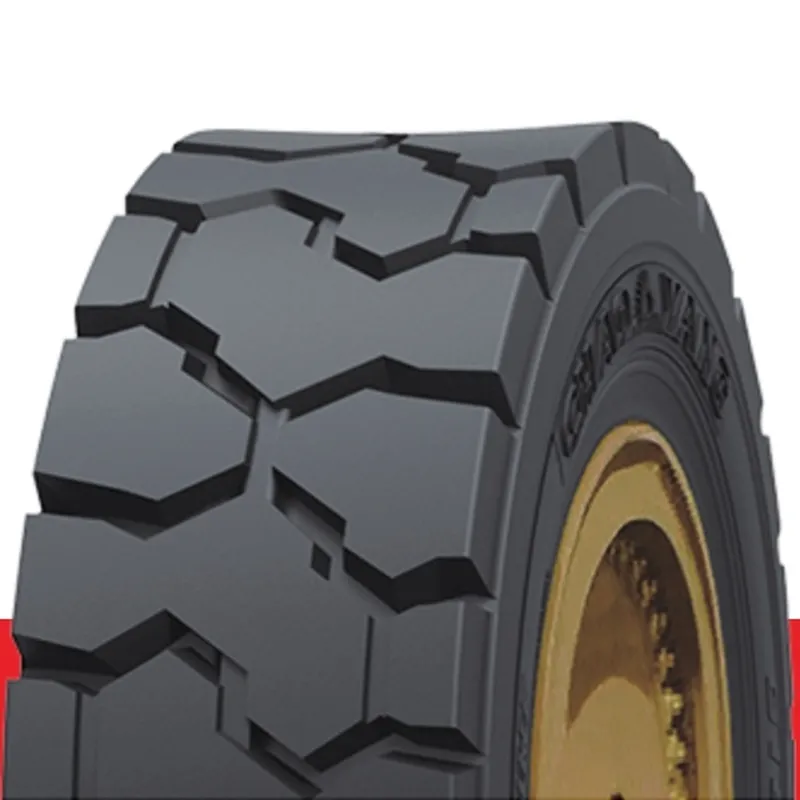
Unique Performance Demands of New Energy Vehicles on Tires for Cars
Higher Torque and Instant Acceleration Stress Tire Tread and Sidewall Integrity
Electric vehicle (EV) motors deliver maximum torque almost immediately—creating sudden, intense shear forces at the contact patch. Conventional tires, designed for the gradual torque delivery of internal combustion engines, often lack the structural resilience to handle this demand. Under repeated hard launches, tread blocks flex more deeply, increasing micro-tearing and accelerating shoulder wear. Sidewalls absorb significant longitudinal stress, while heat builds rapidly in the bead and shoulder zones—degrading rubber integrity over time. Without targeted reinforcement, tread elements can deform permanently, leading to uneven pressure distribution and premature replacement. Industry analysis (2023) confirms EV tires experience shorter average lifespans, with high torque and added vehicle mass as primary contributors. To counter this, engineers use stiffer bead zones, reinforced sidewalls, and wear-resistant tread compounds—improving contact stability and tread squirm control without compromising rolling resistance or grip.
Increased Vehicle Weight from Battery Packs Elevates Load and Rolling Resistance Requirements
Battery packs add substantial mass: most new energy vehicles weigh 10–20% more than comparable combustion-engine models, with battery weight typically ranging from 300–600 kg. This increased load intensifies stress on the tire contact patch, often exceeding the safe operating margins of standard load-rated tires. The tire’s load index—its maximum mass-carrying capacity at a given inflation pressure—must be carefully matched to the vehicle’s gross vehicle weight rating (GVWR). Achieving this requires reinforced sidewall plies, denser bead fillers, and optimized casing architecture to limit deflection and prevent casing fatigue. At the same time, higher mass increases rolling resistance, reducing driving range and raising energy consumption. Engineers address this with low-hysteresis tread compounds and stiffer, yet compliant, tread patterns—balancing load-bearing strength, ride comfort, wet grip, and energy efficiency in ways conventional passenger car tires do not.
Regenerative Braking Alters Wear Patterns and Friction Distribution Across the Contact Patch
Regenerative braking shifts deceleration duties toward the driven axle—typically the front wheels in most EVs—resulting in disproportionate wear on those tires. Unlike friction-based braking, which distributes stopping force across all four corners, regenerative systems apply frequent, low-speed shear cycles primarily at the leading edge of the tread. This leads to accelerated, non-uniform wear—particularly shoulder wear on the front axle—as observed in fleet data from 2023. To mitigate this, engineers adjust tread block geometry, compound stiffness, sipe density, and groove angles to distribute friction more evenly across the contact patch. These refinements reduce localized heat buildup and promote predictable, uniform wear—enhancing both longevity and handling stability during regenerative deceleration.
Why Standard Tires for Cars Underperform in EV Applications
Noise Amplification: Absence of Engine Noise Exposes Road and Cavity Resonance in Tires for Cars
In combustion vehicles, engine and exhaust noise masks much of the road and tire-generated sound. EVs eliminate that acoustic cover—making tire cavity resonance, tread block impacts, and road texture acutely audible. Cavity resonance—a low-frequency hum around 200 Hz caused by air vibration inside the tire—can dominate cabin noise at highway speeds. Standard tires rarely incorporate damping features to suppress it, often amplifying the effect due to unoptimized internal structure. Drivers perceive both high-frequency “hiss” from tread impacts and low-frequency “boom” from cavity resonance. Automakers sometimes compensate with added cabin insulation—but that adds weight and reduces range. In contrast, EV-optimized tires integrate sound-absorbing foam inserts and asymmetric tread patterns to suppress noise at the source—delivering measurable NVH improvements without sacrificing performance.
Rolling Resistance Mismatch: Conventional Compounds Increase Energy Consumption by 7–12%
Rolling resistance—the energy lost as a tire deforms under load—directly impacts EV range. Conventional passenger car tires prioritize grip and durability using higher-hysteresis compounds that generate more heat and energy loss. Under the combined stress of instant torque and added battery mass (300–500 kg), these compounds increase energy consumption by 7–12% compared to EV-optimized alternatives, per 2023 industry benchmarking. That inefficiency translates directly into reduced kilometers per charge and more frequent charging stops. Standard tires may also feature stiffer sidewalls that exacerbate hysteresis losses. EV-tuned designs use silica-enhanced compounds and optimized profiles to minimize deformation-related energy loss—preserving range while maintaining wet and dry traction.
Key Engineering Innovations in EV-Optimized Tires for Cars
Silica-Enhanced Low-Rolling-Resistance Compounds with Reinforced Bead Zones
EV-optimized tires rely on silica-enhanced tread compounds to reduce hysteresis—the primary source of rolling resistance—and cut energy loss without compromising wet grip. As shown in 2023 industry benchmarking, these formulations help avoid the 7–12% energy penalty associated with conventional compounds under EV load conditions. Reinforced bead zones—featuring stiffer bead bundles and high-strength carcass plies—resist lateral forces from instant torque and battery weight, limiting sidewall flex and stabilizing the contact patch. This improves tread life and handling response. Lower hysteresis also reduces heat buildup during sustained highway driving and frequent regenerative braking—supporting consistent performance and long-term durability.
Sound-Absorbing Foam Inserts and Asymmetric Tread Patterns for NVH Suppression
To address the acoustic transparency of EV cabins, leading EV-optimized tires integrate bonded polyurethane foam inserts on the inner liner—targeting cavity resonance between 200–250 Hz. Controlled tests from major suppliers (2023) show this reduces cabin noise by approximately 5%. Paired with asymmetric tread patterns—featuring wider outer blocks for cornering stability and smaller, staggered inner blocks to disrupt air-pumping noise—these tires suppress both low-frequency boom and high-frequency whine. The result is a balanced NVH solution that maintains traction, enhances ride quality, and aligns with the premium expectations of electric vehicle owners.
FAQ Section
Why do new energy vehicles need special tires?
New energy vehicles, such as EVs, require specially designed tires due to higher torque, increased vehicle weight from battery packs, and unique wear patterns caused by regenerative braking. Conventional tires fail to meet these specific demands.
What are the typical challenges with standard tires on EVs?
Standard tires often amplify noise, increase rolling resistance, and experience accelerated wear due to instant torque delivery and higher mass. EV-optimized tires address these issues with specialized compounds and architectural features.
How do EV-optimized tires control noise inside the cabin?
EV-optimized tires reduce noise by incorporating sound-absorbing foam inserts and asymmetric tread patterns. These features suppress tire cavity resonance and tread impact noise, resulting in a quieter cabin experience.
Do EV tires help improve energy efficiency?
Yes. EV-optimized tires use silica-enhanced low-hysteresis compounds to reduce rolling resistance, minimizing energy loss and preserving the vehicle’s driving range.