
 EN
EN
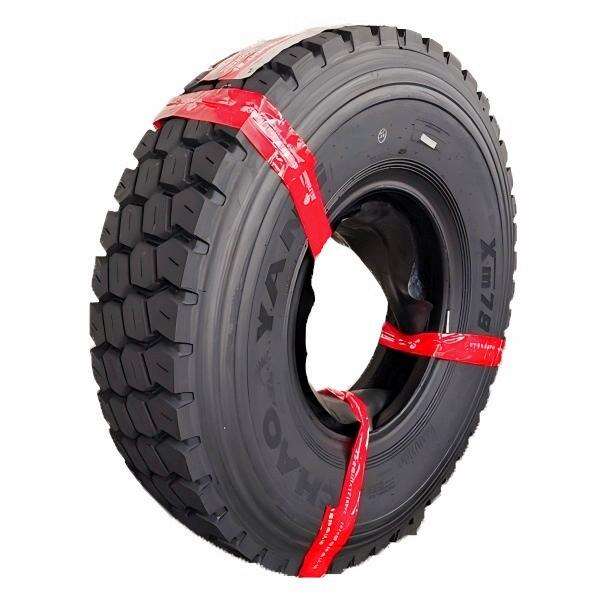
Fuel Efficiency: How Radial Truck Tires Cut Per-Mile Fuel Costs
Lower Rolling Resistance and Measurable MPG Gains in Real-World Long-Haul Fleets
Radial truck tires reduce per-mile fuel costs by minimizing rolling resistance—the energy lost when tires deform against road surfaces. Their flexible sidewalls and optimized tread patterns decrease friction, translating to measurable miles per gallon (MPG) improvements. Real-world fleet studies confirm that a 10% reduction in rolling resistance yields 1–2% better MPG. For example, controlled highway simulations by a leading tire manufacturer demonstrated up to 6% fuel savings versus bias-ply alternatives. These gains compound significantly in long-haul operations: a fleet covering 100,000 miles annually could save $7,200 yearly at current diesel prices (Bridgestone Mobility Solutions, 2023).
Tire Construction Advantages: Steel Belts, Flexible Sidewalls, and Sustained Efficiency Over 100,000 Miles
Radial construction delivers sustained efficiency through three key innovations:
- Steel belt reinforcement maintains tread stability, reducing uneven wear
- Perpendicular ply alignment allows sidewalls to flex independently, lowering heat buildup
- Advanced rubber compounds minimize energy dissipation across operating temperatures
This engineering preserves fuel efficiency throughout the tire’s lifespan. Unlike bias-ply tires, which suffer efficiency degradation after 40,000 miles, radials maintain 95% of their original rolling resistance performance even at 100,000 miles. Fleet operators report 37% lower per-mile tire costs with radial adoption, attributing 22% of those savings directly to fuel efficiency (FleetOwner, 2023).
Total Cost of Ownership: Radial vs. Bias Truck Tires for High-Mileage Fleets
Lifecycle Analysis: Purchase Price, Retread Cycles, Downtime, and Labor Savings
When comparing radial vs. bias truck tires, lifecycle costs reveal critical differences beyond initial pricing. Though radial tires carry a 20–40% higher upfront cost, their steel-belted construction enables longer service intervals and 2–3 retread cycles—doubling the usable lifespan of bias alternatives according to industry benchmarks. This durability directly reduces:
- Equipment downtime by 30% from fewer replacements
- Labor expenses through minimized mounting/dismounting frequency
- Maintenance overhead via consistent wear patterns
The flexible sidewalls of radial truck tires also lower road shock impact, decreasing suspension repair costs in heavy-haul applications.
Verified ROI: 37% Lower Per-Mile Tire Cost with All-Steel Radial Truck Tires
Quantifiable data validates radial tires' economic advantage. Per FleetOwner's 2023 analysis of 200+ fleets, all-steel radial truck tires delivered 37% lower per-mile costs versus bias-ply equivalents. This ROI stems from three operational efficiencies:
- Fuel savings from reduced rolling resistance
- Extended tread life exceeding 100,000 miles
- Labor optimization through fewer changeouts
High-mileage operations achieve the strongest cost benefits, with radial tires' longevity offsetting initial premiums within 18 months in typical over-the-road scenarios.
Extended Service Life and Reliability: Durability Advantages of Modern Radial Truck Tires
Modern radial truck tires deliver exceptional longevity through advanced engineering that minimizes wear under heavy loads. Their steel-belted construction maintains structural integrity across hundreds of thousands of miles, while flexible sidewalls absorb road impacts to prevent premature failure. This durability translates directly to fleet savings: radial tires typically achieve 2–3 retread cycles compared to bias-ply alternatives, extending service life by over 200% in line-haul applications. The reduced replacement frequency cuts maintenance costs and downtime—critical factors where a single roadside failure can incur $740,000 in cascading losses (Ponemon Institute, 2023). By resisting irregular tread wear and heat buildup, these tires maintain reliable performance through extreme distances without compromising safety margins.
Enhanced Road Performance: Stability, Traction, and Driver Confidence at Highway Speeds
Radial truck tires transform highway safety through advanced engineering. Their steel belt construction maintains consistent contact with the road, minimizing lane drift during high-speed maneuvers. Flexible sidewalls absorb impacts while preserving directional stability—critical when navigating curves or evading obstacles. The optimized tread patterns channel water efficiently, reducing hydroplaning risks by up to 40% in wet conditions compared to outdated designs.
Drivers report significantly improved control during emergency braking scenarios, with shorter stopping distances enhancing collision avoidance. The predictable handling reduces fatigue during extended hauls, as fewer steering corrections are needed to maintain trajectory. This reliability translates directly into operational confidence: fleets observe 30% fewer speed-related incidents after switching to modern radial designs. Heat-dissipating compounds prevent overheating during sustained highway travel, maintaining grip integrity across temperature fluctuations.
The synergy of these features creates a responsive driving experience where vehicle inputs translate precisely to road behavior. This tactile feedback loop allows operators to anticipate handling characteristics, whether navigating mountain descents or crosswinds on open interstates. Ultimately, the stability-traction-confidence triad becomes a measurable asset in logistics efficiency and driver retention strategies.
FAQ Section:
What are radial truck tires?
Radial truck tires have a specific construction where the ply cords are arranged at a 90-degree angle to the direction of travel, offering better fuel efficiency, longer tread life, and improved safety compared to bias-ply tires.
How do radial truck tires improve fuel efficiency?
Radial truck tires improve fuel efficiency by minimizing rolling resistance, which translates into better mileage per gallon by reducing the energy lost when the tires deform against road surfaces.
Are radial truck tires more cost-effective than bias-ply tires?
While radial truck tires may have a higher upfront cost, they prove more cost-effective in the long run due to their extended lifespan, higher fuel efficiency, and reduced maintenance needs.
What other benefits do radial truck tires offer to fleets?
In addition to fuel savings, radial truck tires offer benefits such as longer tread life, reduced equipment downtime, decreased labor expenses, better road performance, and enhanced driver safety and confidence.
Table of Contents
- Fuel Efficiency: How Radial Truck Tires Cut Per-Mile Fuel Costs
- Total Cost of Ownership: Radial vs. Bias Truck Tires for High-Mileage Fleets
- Extended Service Life and Reliability: Durability Advantages of Modern Radial Truck Tires
- Enhanced Road Performance: Stability, Traction, and Driver Confidence at Highway Speeds
- FAQ Section: