
 EN
EN
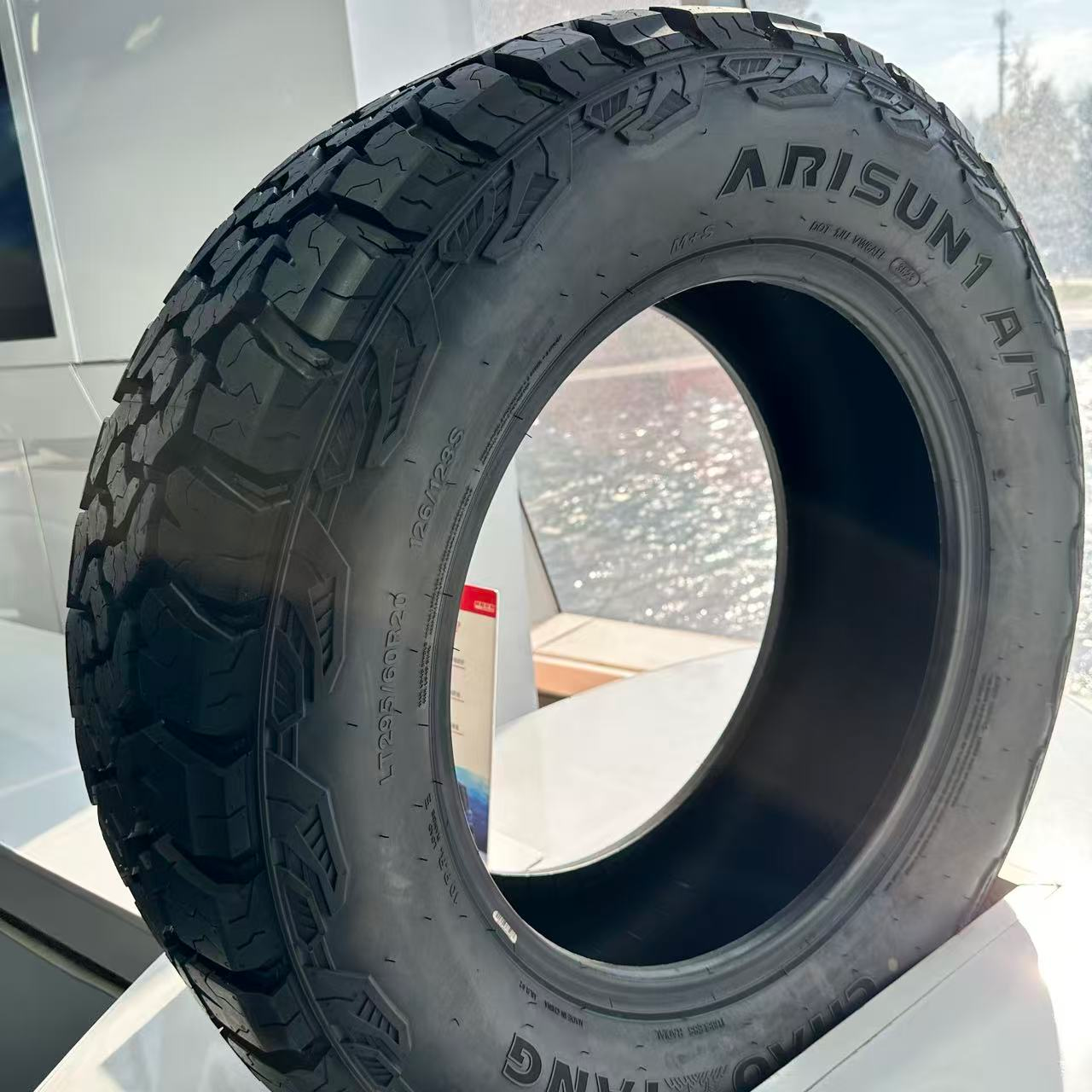
Key Factors That Determine Custom Offroad Tire Lead Times
Raw Material Sourcing and Vulcanization Cycle Delays
Getting hold of those special rubber mixes and reinforcement stuff is usually where things start to get stuck. We've seen natural rubber running short lately, and problems with synthetic polymers coming through the supply chain can push back production by anywhere from four to six whole weeks. Vulcanization, that process where tires basically cook at high temps, needs really tight control over conditions. Rush this part too much and we end up with issues like air bubbles inside or tread that wears unevenly. When making those tough offroad tires that need several rounds of vulcanization, this single step eats up about a third of the entire manufacturing timeline. Companies try to work around these delays using backup suppliers and fancy inventory prediction software, but truth be told, getting consistent access to materials still feels like walking a tightrope given all the chaos in global shipping right now.
Mold Customization and Prototype Validation for Offroad Tires
When companies need application-specific molds made, they're typically looking at an extra 3 to 5 weeks added onto their project timeline. The cost factor gets even steeper for those wanting custom off-road tire designs. Steel molds machined via CNC technology run anywhere from fifteen thousand to fifty grand per set. Testing prototypes isn't just routine work either. They go through all sorts of validations like checking how they handle dynamic loads during simulated rock crawling conditions and muddy terrains. There's also tear resistance tests across different temperature extremes plus assessments of sidewall strength against sharp objects. When prototypes fail these tests, whole redesign processes kick in, particularly problematic for tires built for maximum articulation or carrying heavy weights. A major manufacturer shared recently that nearly seven out of ten initial prototype runs needed changes to the tread patterns before meeting OEM standards for grip. While this back and forth between design and testing definitely improves both safety and performance metrics, it does push production schedules back by around twenty percent compared to regular design workflows.
How Bulk Order Volume Impacts Offroad Tire Production Timelines
MOQ Thresholds, Line Allocation, and Priority Scheduling
When it comes to manufacturing, most companies really prefer when customers place bulk orders that hit those MOQ numbers, which are usually around 500 units or more. If someone orders above these minimums, they get their own special production line instead of getting stuck waiting behind other smaller orders that might cause delays. The factories actually give about 30 to maybe even 50 percent extra space in their daily schedule for these big orders, so they can finish quicker without having to wait their turn in line. Just to put things into perspective, if a company wants 1,000 units made, it tends to come out roughly 22% faster compared to making five separate runs of 200 units each. This was noted in the Rubber Manufacturing Journal back in 2023.
Real-World Example: 5,000-Unit OEM-Spec Offroad Tire Order
A commercial fleet operator required 5,000 mud-terrain offroad tires meeting OEM durability specifications. By exceeding the supplier’s 3,000-unit MOQ:
- Production used a reserved line for 11 consecutive days
- Prototype validation was fast-tracked in 72 hours
- Total lead time reduced to 28 days versus 45+ days for sub-MOQ orders
This volume-driven efficiency demonstrates how bulk purchasing accelerates timelines through optimized resource allocation—not just economies of scale, but strategic operational prioritization.
Logistics and Geography: Extending the End-to-End Timeline for Offroad Tires
Port Congestion, Inland Freight, and Remote Site Delivery Challenges
Getting stuck at ports usually means offroad tire shipments get delayed by around 3 to 5 weeks before they even start moving inland. After clearing customs, things don't get much better either. There just aren't enough trucks available and rail yards are backed up so bad that trips can take an extra 30% longer than planned. What really causes headaches though is the last leg of the journey to those remote mining operations or construction sites out in nowhere land. These places often have dirt roads that regular trucks can't handle, so special transport vehicles are needed. And this gets even worse when dealing with those huge offroad tires. About two thirds of large orders end up waiting another 2 weeks or more past their expected arrival dates because nobody has the right equipment or knows how to get through certain routes. All these delays pile up and make delivery timelines way longer than what manufacturers actually need for production, especially when shipping across oceans or deep into industrial areas far from major highways.
FAQ
What causes delays in sourcing raw materials for custom offroad tires?
Delays are often due to shortages in natural and synthetic rubbers and issues within the supply chain.
How does mold customization affect tire production timelines?
Customization adds 3 to 5 weeks to timelines due to the need for specialized molds and extensive prototype testing.
Why do larger bulk orders get prioritized in production?
Bulk orders exceeding the minimum order quantity (MOQ) are given priority and dedicated production lines, reducing lead times.
What challenges arise in the logistics of delivering offroad tires?
Logistics challenges include port congestion, limited inland freight options, and difficulties navigating to remote sites.