
 EN
EN
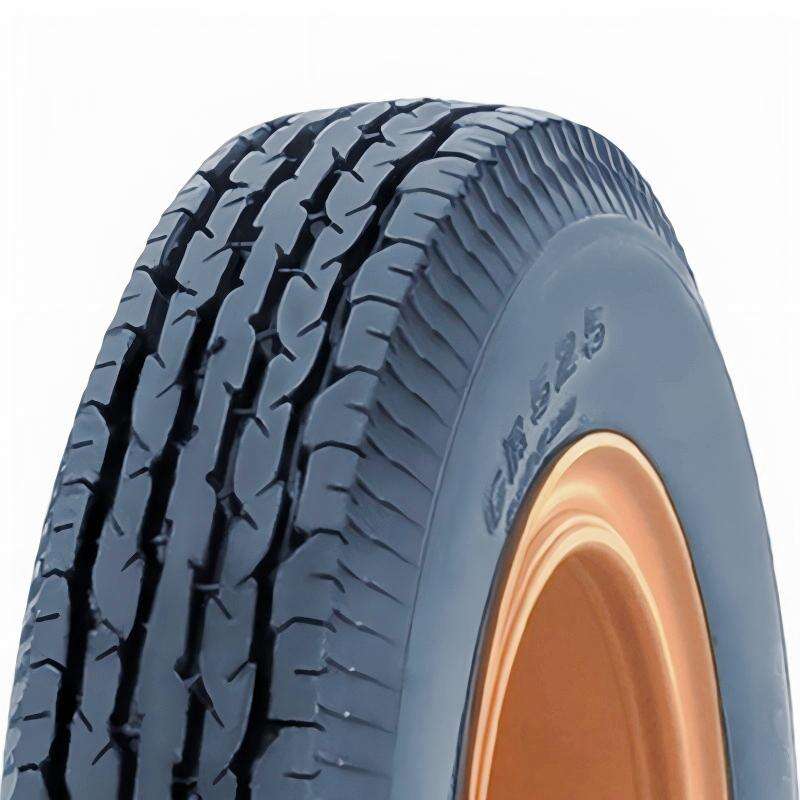
كيف تمنع الإطارات الزراعية الفاخرة التوقف عن العمل الناتج عن الثقوب والتآكل
مقاومة الثقب والغلاف المعزز: تقليل التوقفات غير المقررة
تأتي أفضل إطارات الجر الزراعية بأسلاك فولاذية قوية جدًا ونُتوءات عميقة جدًا مصممة للتعامل مع جميع أنواع الظروف الصعبة في الحقول مثل الصخور، وبقايا النباتات، والمخلفات الأخرى المتناثرة. وتقلل هذه الطبقات المتعددة في هيكل الإطار من حدوث الانفجارات التي قد تتسبب في توقف العمل بشكل غير متوقع. ويُعد استمرار عمل الجرارات وال.combine harvesters خلال مواسم الزراعة المزدحمة في الربيع وأوقات الحصاد في الخريف أمرًا بالغ الأهمية لعمليات المزارع. وعندما يُحسب كل ساعة، فإن تجنب التوقف عن العمل يعني حماية المحاصيل القيّمة والوفاء بمواعيد التسليم في الأسواق.
عمر ارتداء ممتد: من 1,200 إلى أكثر من 2,500 ساعة عمل في الحقل باستخدام إطارات عالية التحمل
تُقاوم تركيبات المطاط المتطورة في الإطارات الممتازة تراكم الحرارة والتآكل، مما يمدّد عمر الخدمة من حوالي 1,200 ساعة للنماذج القياسية إلى أكثر من 2,500 ساعة. ويؤدي هذا التضاعف في العمر التشغيلي إلى تقليل عمليات استبدال الإطارات إلى النصف، ما يزيد من أقصى وقت تشغيل في الحقول ويقلل من تكاليف الملكية على المدى الطويل دون التأثير على الأداء.
مقارنة معدلات الفشل: الإطارات الزراعية القياسية مقابل الإطارات المتميزة (مسح موثوقية معدات الزراعة 2023)
يكشف مسح موثوقية معدات الزراعة 2023 عن مزايا كبيرة في الموثوقية للإطارات المتميزة:
| نوع الفشل | إطارات قياسية | إطارات بريميوم | التقليل |
|---|---|---|---|
| الثقوب لكل 1000 ساعة | 3.8 | 0.9 | 76% |
| أعطال الهيكل الخارجي للإطار | 17% | 4% | 77% |
| فترات الاستبدال | 14 شهرًا | 32 شهراً | أطول بنسبة 129% |
تُظهر هذه النتائج كيف أن اختيار الإطارات القائم على البيانات يعزز استمرارية العمليات وربحية المزرعة من خلال تقليل الأعطال غير المتوقعة.
استراتيجيات الصيانة الاستباقية لتعظيم وقت التشغيل وزيادة عمر الإطارات
بروتوكولات الصيانة الأساسية التي تمنع 68٪ من الانفجارات والانثقابات
تلعب الصيانة المنتظمة دورًا حاسمًا في تجنب أعطال الإطارات. وتشمل الممارسات الرئيسية ما يلي:
- مراقبة الضغط : فحص ضغط النفخ أسبوعيًا يمنع التلف الناتج عن انخفاض الضغط، وهو أحد الأسباب الرئيسية للانفجارات
- جداول التناوب : تدوير الإطارات يضمن تآكلًا متساويًا للسديلة ويُطيل العمر الافتراضي
- التفتيش البصري : يتيح اكتشاف الشقوق أو الحطام العالق أو الثقوب المبكرة التدخل في الوقت المناسب
تشير دراسات الصناعة إلى أن هذه الخطوات تمنع 68% من حالات فشل الإطارات في الميدان. وتدعم الوثائق المستمرة لحالة الإطارات الصيانة التنبؤية، مما يمكّن من الاستبدال قبل حدوث أعطال كارثية تُعطل العمليات الحيوية.
التكلفة الحقيقية للتوقف: 42 دولارًا/دقيقة كمتوسط تكلفة التوقف لكل جرار (USDA ARS، 2024)
عندما تتعطل إطارات المزارع، فإن مشكلات المال تمتد بعيدًا عن مجرد إصلاحها. أجرت دائرة الأبحاث الزراعية التابعة لوزارة الزراعة الأمريكية (USDA) بحثًا في عام 2024 أظهر أن كل دقيقة واحدة تقف فيها الجرارة دون عمل تكلف حوالي 42 دولارًا، ما يعادل نحو 2,520 دولارًا إذا ظلت عالقة طوال ساعة. ويتضمن هذا الرقم العديد من الأمور مثل عدم زراعة المحاصيل في الوقت المناسب، ودفع رواتب للعمال الذين لا يعملون، والتكاليف العاجلة لتوصيل قطع الغيار بسرعة. خذ مزرعة بها خمس جرارات تعمل كل منها حوالي 500 ساعة في الموسم. إذا استثمر المزارعون في إطارات ذات جودة أفضل إلى جانب فحوصات الصيانة الدورية، فقد يتمكنون من منع ما يقرب من ثلثي هذه الأعطال. ولا يتعلق الأمر فقط بالراحة النفسية، بل نحن نتحدث عن توفير حقيقي في الأموال أيضًا، حيث يمكن توفير ما يزيد عن 171,000 دولار سنويًا من تلك اللحظات المحبطة من التوقف التام عن العمل.
تكنولوجيا إطارات VF/IF: تعزيز الكفاءة وتقليل انضغاط التربة
40٪ ضغط تضخم أقل: تحسين الجر وتقليل نسبة الانزلاق بنسبة تصل إلى 22٪
تُستخدم إطارات VF (المرونة العالية جدًا) وIF (المرونة المُعززة) بضغط هواء أقل بنسبة 40 بالمئة تقريبًا مقارنة بالإطارات الشعاعية العادية، ومع ذلك تحمل نفس السعة التحميلية. فماذا يحدث بعد ذلك؟ في الحقيقة، يلامس الإطار مساحة أكبر من سطح الأرض عند تقليل ضغط الهواء بهذه الطريقة. ويؤدي هذا التماس الأوسع إلى توزيع الضغط على التربة بشكل منتشر بدلًا من تركيزه في نقطة واحدة، مما يساعد على منع الانضغاط العميق للتربة أسفل الطبقة السطحية. لاحظ المزارعون أن هذه الإطارات توفر قدرة جرّ أفضل أيضًا. وتُظهر الاختبارات أن انزلاق العجلات ينخفض بنسبة حوالي 22٪ مع هذه النتوءات الخاصة. وانخفاض الانزلاق يعني أن الجرارات يمكنها التقدم عبر الحقول دون إهدار الكثير من الوقود لمكافحة المقاومة. وتأتي نقطة إيجابية إضافية من طبيعة هذه الإطارات اللطيفة على الأرض نفسها. فعندما يكون هناك حفر أقل في التربة، تبقى الجيوب الصغيرة من الهواء بين جزيئات التربة سليمة لفترة أطول. ما يسمح بمرور الماء عبر التربة بشكل أفضل، كما يصبح من الأسهل للجذور النباتية النمو بشكل أعمق. وتجعل هذه المزايا إطارات VF وIF أكثر شيوعًا بين المزارعين الذين يسعون لتعزيز الإنتاجية مع الحفاظ على أراضيهم صحية للمحاصيل المستقبلية.
مكاسب الوقود والإنتاجية من تحسين أداء الإطارات الزراعية
تحقيق وفورات في الوقود بنسبة 5-8٪ من خلال تقليل مقاومة الدوران وتوزيع الحمولة بالتساوي
عندما يتعلق الأمر بالزراعة، فإن الاستفادة القصوى من كل قطرة وقود تُعد أمراً بالغ الأهمية. ولهذا السبب تُحدث الإطارات الزراعية المُحسّنة فرقاً كبيراً. فهي تقلل من ما يُعرف بمقاومة الدحرجة – أي الطاقة المهدرة عندما تنضغط الإطارات وتدفع ضد الأرض. وتساعد التصاميم الحديثة للإطارات التي تتميز بأنماط سطح أكفأ ومزيجات مطاطية خاصة في الحد من هذه المشكلة الناتجة عن الاحتكاك. ويلاحظ المزارعون أن جراراتهم تواصل التحرك للأمام دون الحاجة إلى قدر كبير من قوة المحرك طوال الوقت. علاوة على ذلك، فإن التوزيع المناسب للوزن يمنع الآلات من الغوص في الأماكن الرخوة داخل الحقول. إذ يؤدي هذا الغوص إلى مقاومة إضافية تستهلك كميات كبيرة من الوقود بسرعة. وقد أظهرت الاختبارات الميدانية توفيرًا حقيقيًا في استهلاك الوقود يتراوح بين 5% إلى 8% في معظم العمليات الزراعية. ويعني استهلاك وقود أقل نفقات أقل عند التزود بالوقود، وساعات عمل أطول قبل الحاجة إلى إعادة التعبئة. وبجمع هذه العوامل معًا، يمكن للمزارعين زراعة مساحات أكبر يوميًا مع الحفاظ على تشغيل معداتهم بكفاءة طوال الموسم.
الأسئلة الشائعة
ما هي فوائد استخدام إطارات زراعية متميزة؟
توفر الإطارات الزراعية المتميزة مقاومة أفضل للثقوب، وعمرًا أطول في الاستخدام، وتقليلًا في أوقات التوقف، وتوفرًا عامًا في التكاليف. وتساعد هذه الإطارات في تعظيم وقت التشغيل في الحقول من خلال تقليل عدد التوقفات غير المخطط لها الناتجة عن الثقوب والتآكل.
كيف تُحسّن تقنية إطارات VF/IF الكفاءة في الزراعة؟
تقلل تقنية إطارات VF وIF من تدمك التربة وتحسّن الجر، مما يؤدي إلى خفض نسبة الانزلاق بنسبة تصل إلى 22%. تسمح هذه الميزات للجرارات بالتحرك عبر الحقول بمقاومة أقل، ما يحسّن كفاءة استهلاك الوقود ويدعم صحة التربة بشكل أفضل.
لماذا تعد الصيانة الدورية مهمة للإطارات الزراعية؟
الصيانة الدورية، بما في ذلك مراقبة الضغط، وجدول دوران الإطارات، والفحوصات البصرية، أمر بالغ الأهمية لمنع أعطال الإطارات. يمكن لهذه الاستراتيجيات الاستباقية أن تمنع 68% من الانفجارات والإطارات المسطوحة، مما يضمن استمرار العمليات بسلاسة دون انقطاعات غير متوقعة.
كيف يمكن لإطارات الزراعة المُحسّنة أن تسهم في توفير الوقود؟
تقلل إطارات الزراعة المُحسّنة مقاومة الدوران وتسمح بتوزيع متساوٍ للحمل، مما يؤدي إلى توفير من 5 إلى 8٪ في استهلاك الوقود. وينتج عن هذا الكفاءة انخفاض في تكاليف الوقود وأوقات تشغيل أطول قبل الحاجة إلى إعادة التزود بالوقود، ما يدعم في النهاية زراعة أكثر إنتاجية.