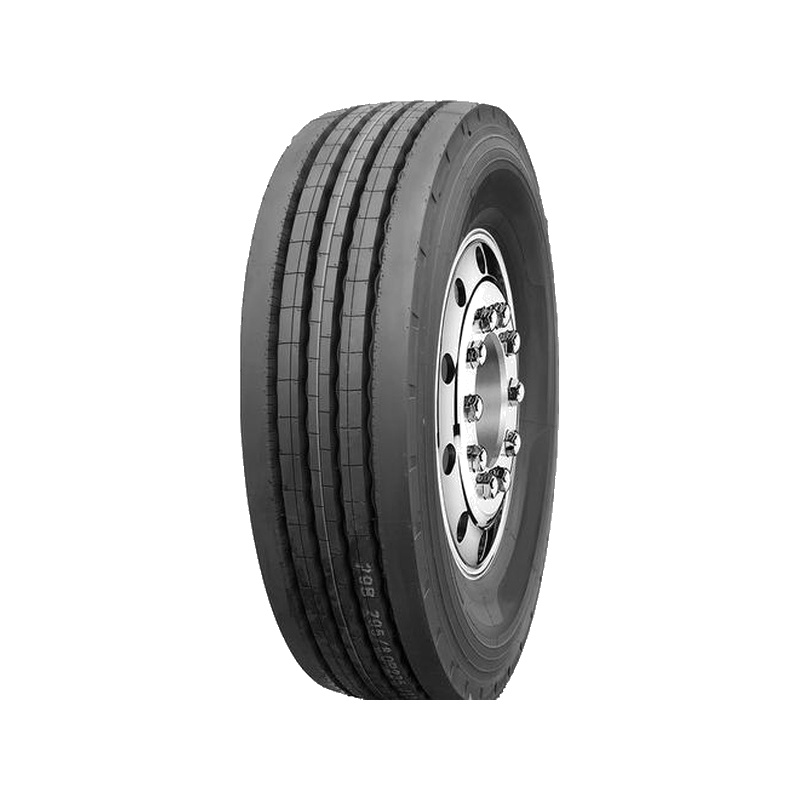
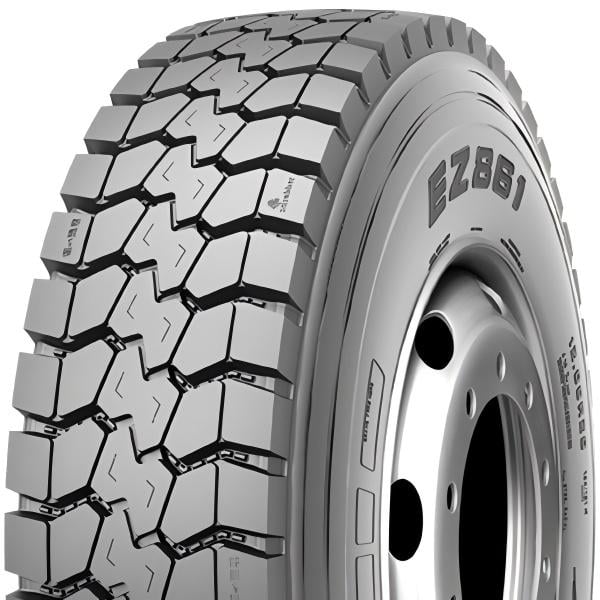
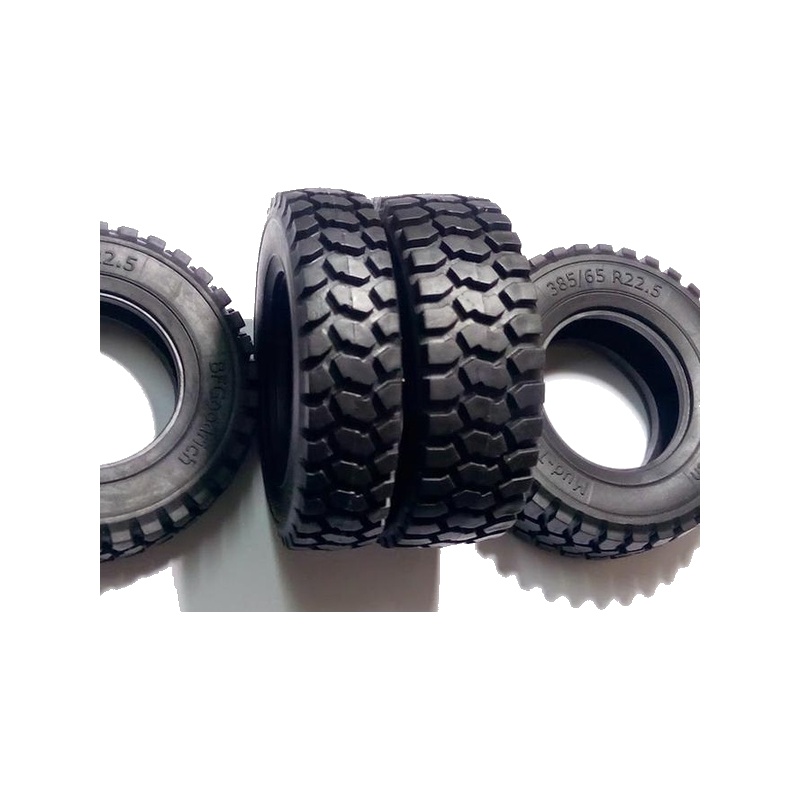
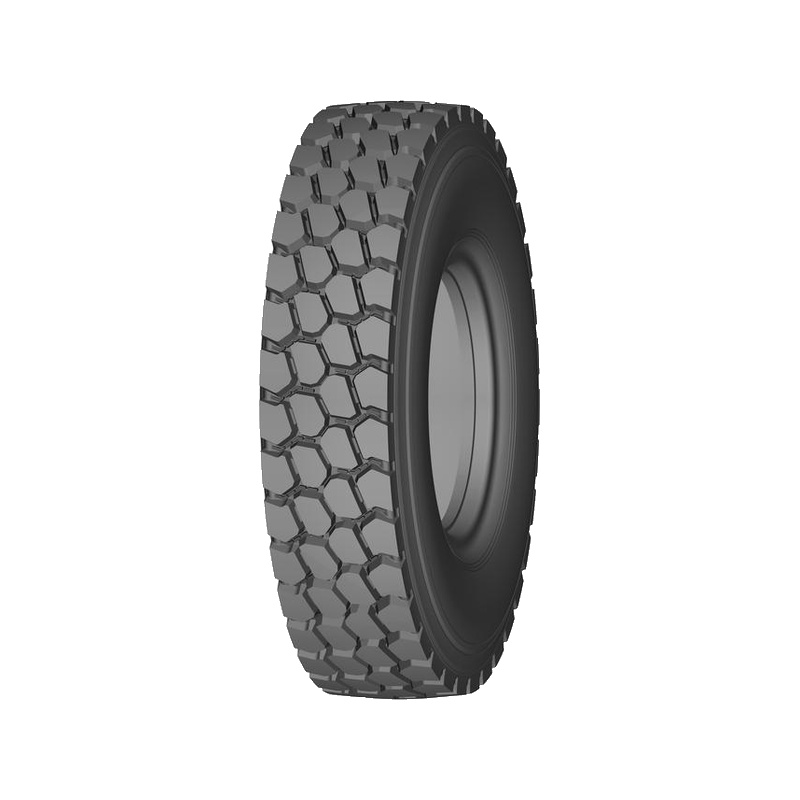
Commercial truck steer tires occupy a unique position in fleet operations: they are the only tires that directly translate steering input into vehicle direction. This functional role makes them critical to safety, handling, and driver confidence, and it also subjects them to specific wear patterns and performance demands that differ from drive and trailer positions. Understanding these demands is essential for fleet managers, distributors, and importers who want to select commercial truck steer tires that deliver both performance and value. The steer axle experiences constant micro-adjustments as drivers maintain lane position, navigate curves, and respond to road irregularities. These continual inputs generate scrub forces that can cause irregular wear if the tread pattern and footprint are not properly optimized. That is why most commercial truck steer tires use rib-type patterns rather than aggressive block designs. Continuous ribs provide stable straight-line tracking, while circumferential grooves evacuate water and help maintain grip in wet conditions. The shoulder ribs play a key role in resisting scrub and promoting even wear across the tread face. In our portfolio, commercial truck steer tires are engineered with these principles in mind, using computer-optimized footprints to distribute contact pressure more uniformly. Load capacity is another defining characteristic of commercial truck steer tires. Steer axles typically carry a substantial portion of a truck’s gross vehicle weight, and in some configurations, they support significant dynamic loads during braking and cornering. This is why our commercial truck steer tires are built with strong steel belt packages and reinforced bead areas. Proper load and inflation matching is essential: underinflation can cause excessive sidewall flex, heat buildup, and irregular wear, while overinflation can reduce traction and accelerate center wear. We advise customers to follow vehicle manufacturer recommendations and to monitor inflation regularly as part of a comprehensive tire maintenance program. Temperature management also matters. Long highway runs at sustained speeds generate heat, and steer tires must dissipate it effectively to protect casing integrity. Compounds that balance rolling resistance with heat resistance help commercial truck steer tires perform consistently across diverse climates, from hot desert highways to cold northern routes. Retreadability is a major economic factor. Because steer tires often have robust casings, they can be retreaded and moved to less demanding positions, extending total tire life. Fleets that invest in high-quality commercial truck steer tires frequently recover value through retreading programs, reducing cost per mile and waste. SINOTYRE supports this lifecycle approach by supplying casings designed for durability and multiple service cycles. Cultural and regional differences also influence tire selection. In some markets, fleets prioritize maximum mileage and fuel efficiency; in others, durability and load capacity dominate. Our export experience across global markets helps us advise customers on the right commercial truck steer tires for their specific operating conditions, ensuring that performance expectations align with real-world use. Ultimately, the best commercial truck steer tires are those that match application, route profile, and budget while delivering consistent quality. SINOTYRE TECHNOLOGY (HANGZHOU) CO., LTD. combines reputable brands, export expertise, and customer-focused service to help you achieve that match. Partner with us to build a steer tire program that keeps your fleet safe, efficient, and profitable.