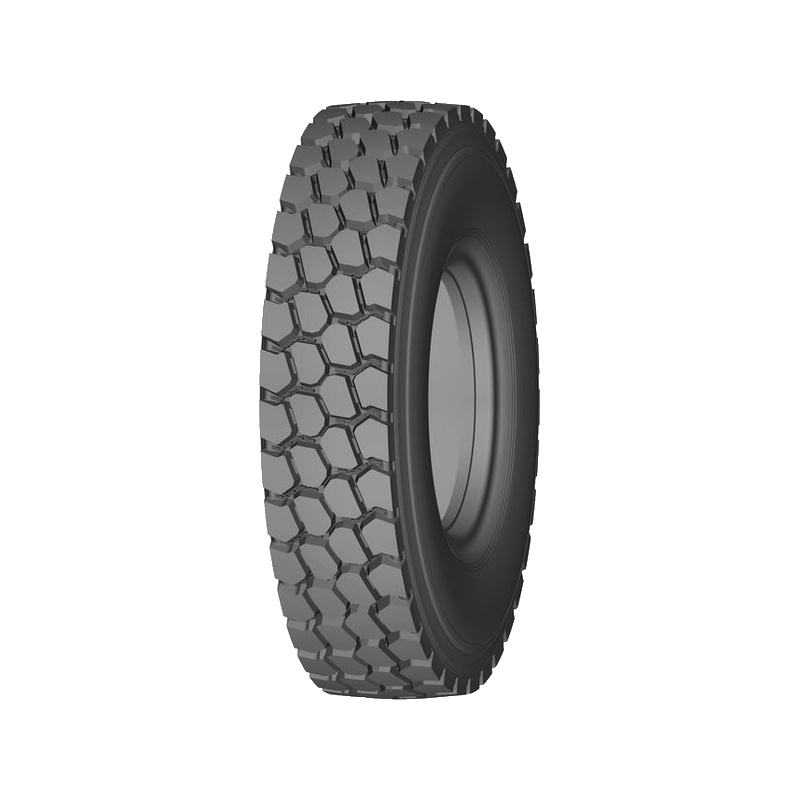
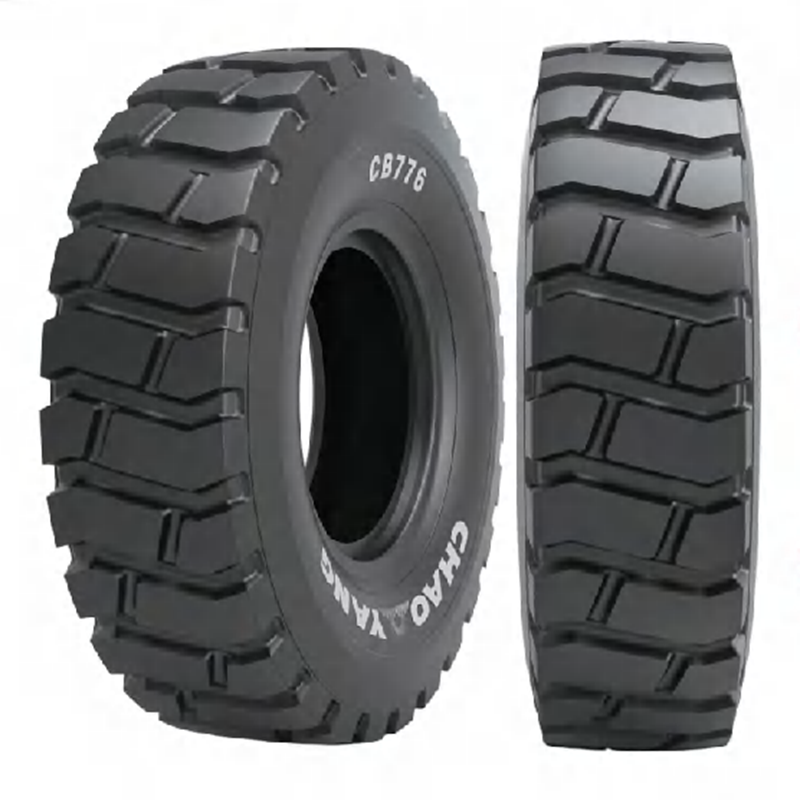
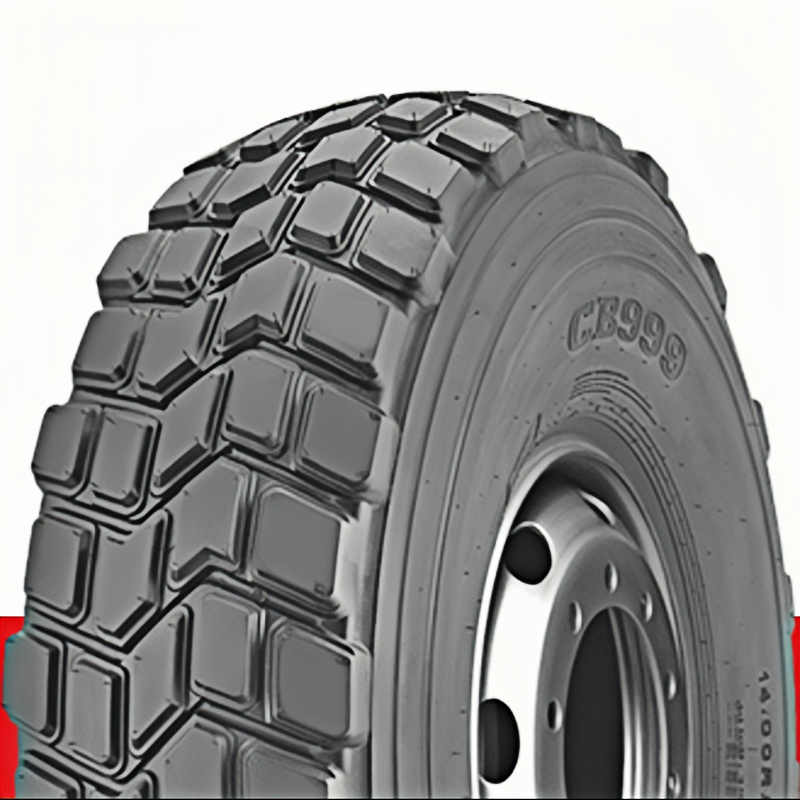
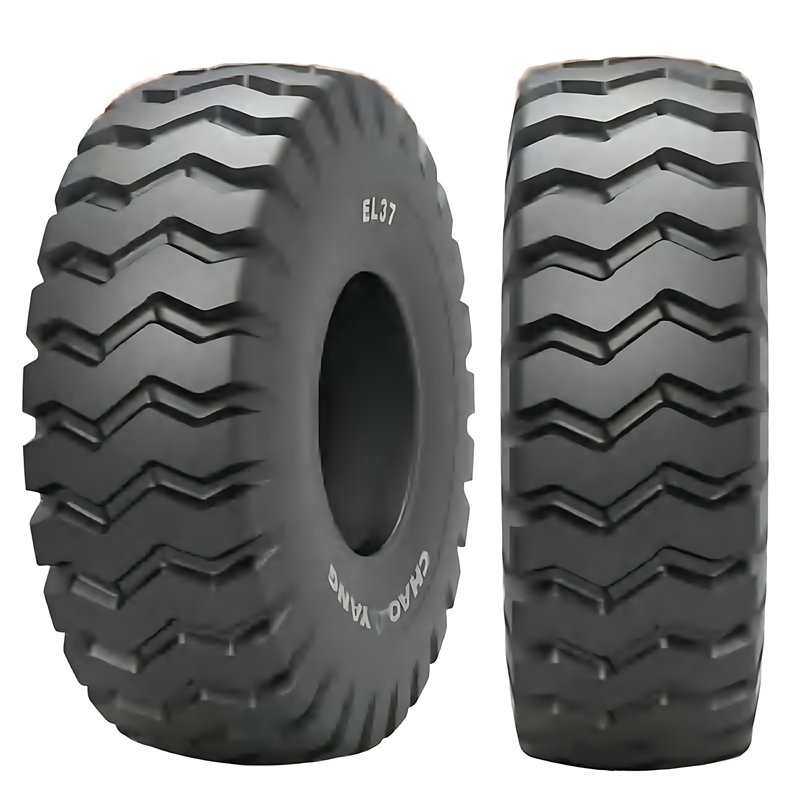
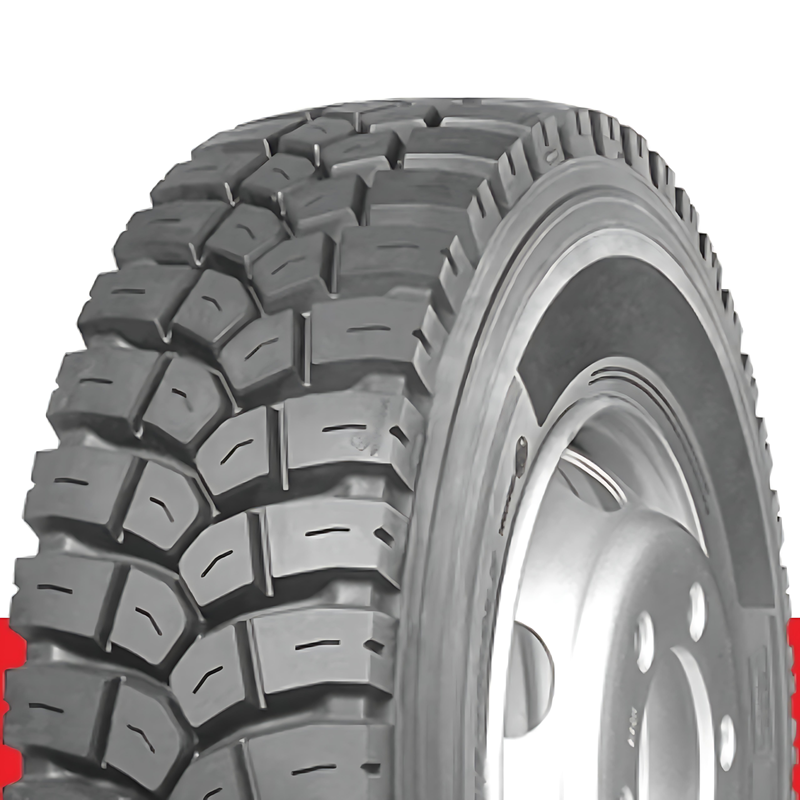
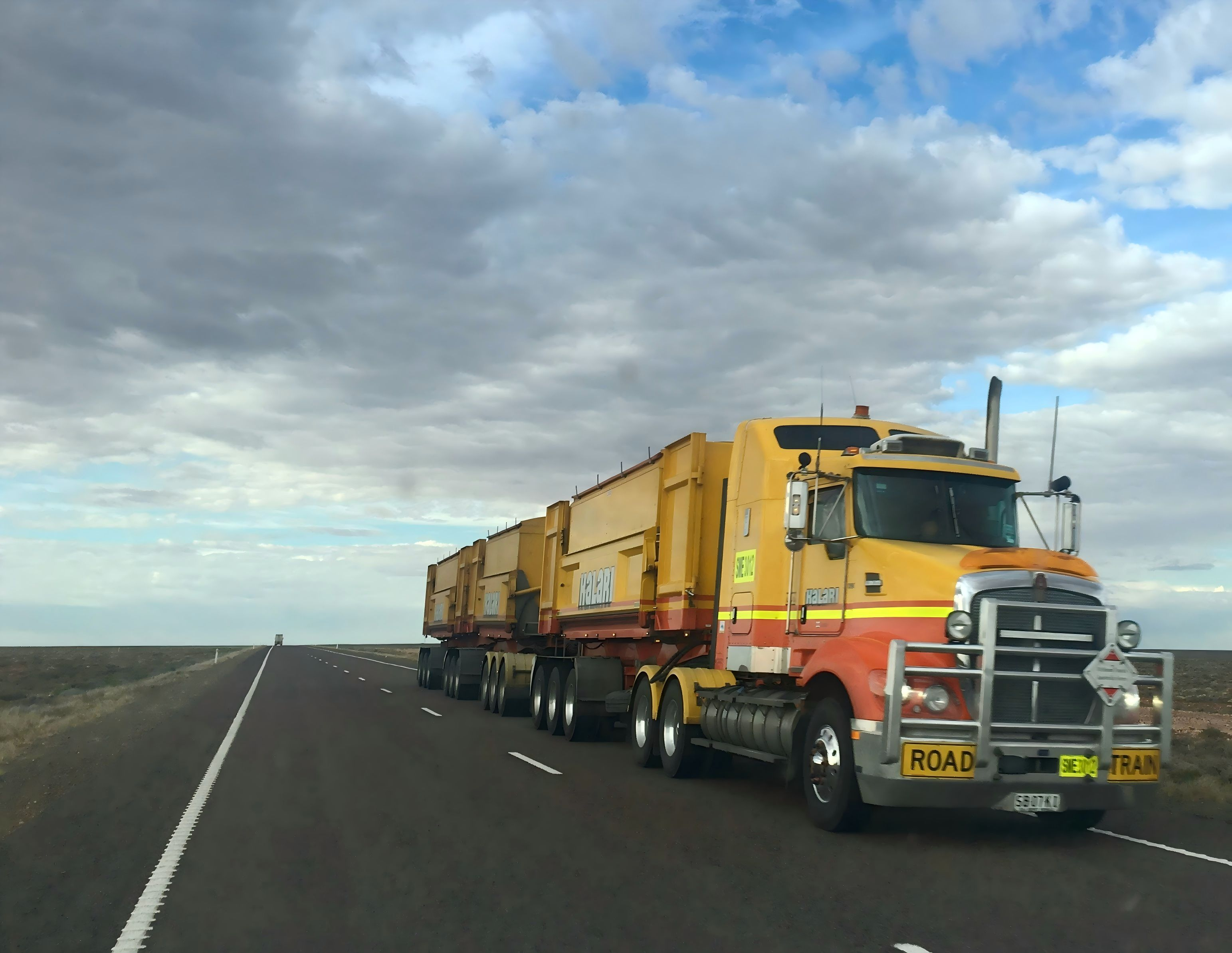
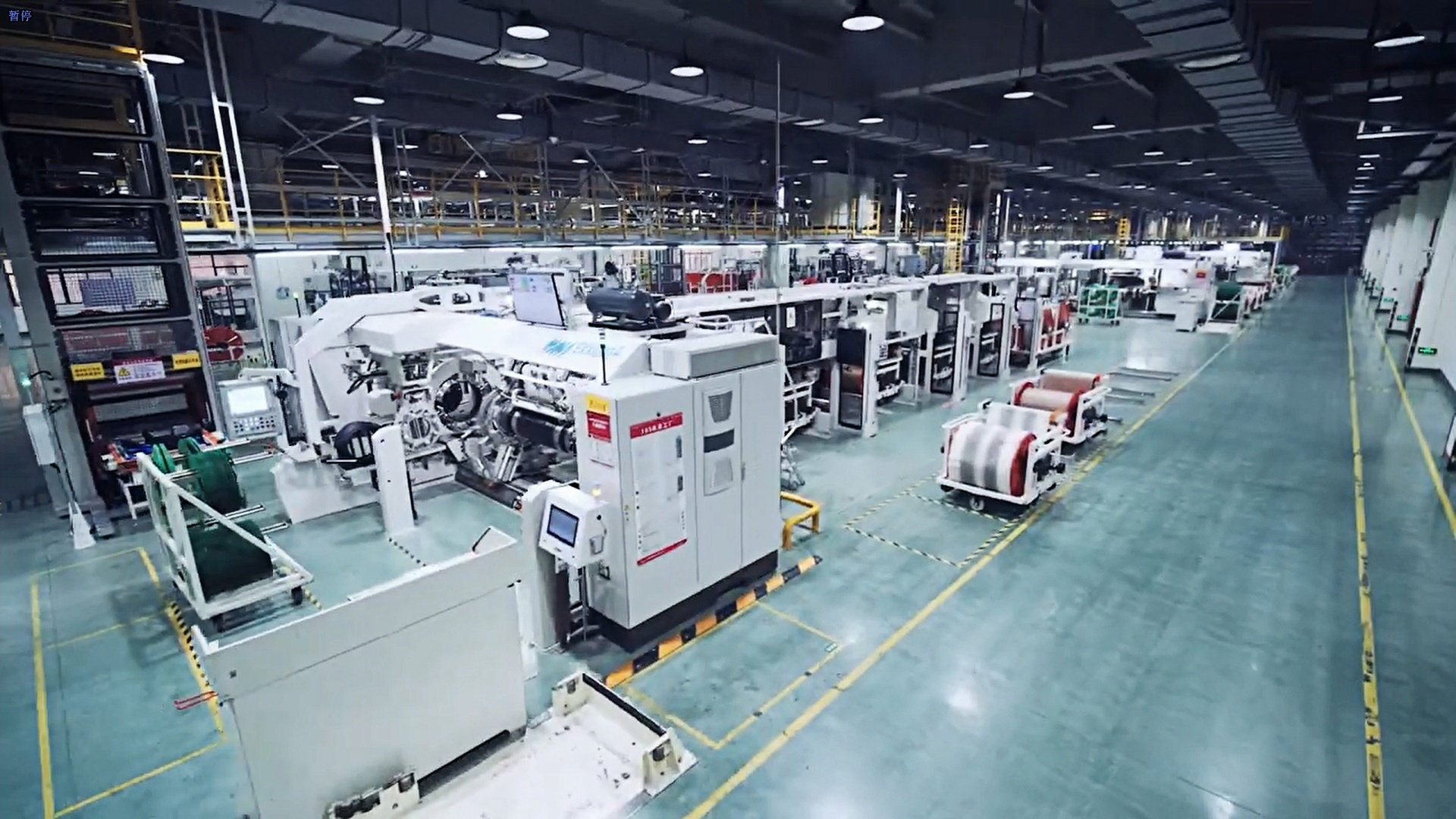
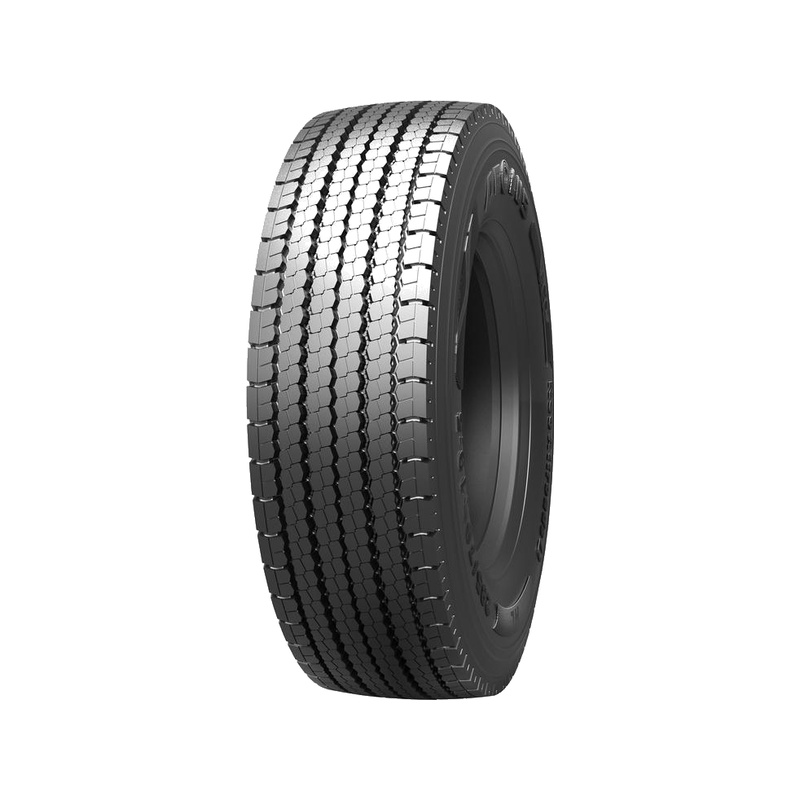
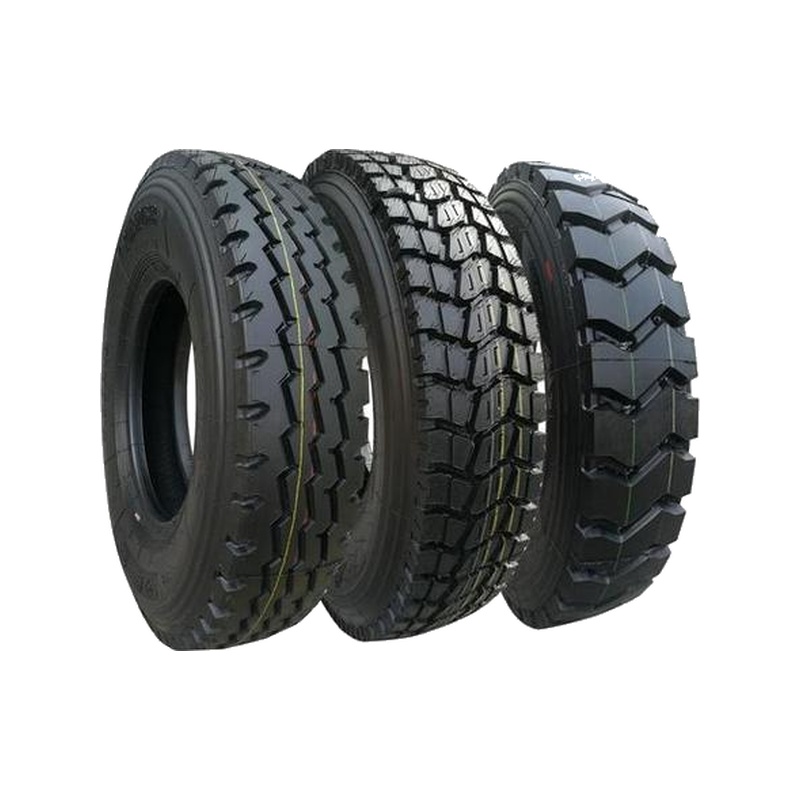
Drive tires for semi trucks occupy a unique position in tire engineering. Unlike steer tires, which prioritize precise handling and even wear, or trailer tires, which focus on low rolling resistance and stability, drive tires for semi axles must simultaneously deliver traction, torque transfer, braking grip, and long casing life. When a tractor pulls a loaded trailer, the drive tires for semi transmit thousands of Newton-meters of torque to the road surface. They also absorb the retarding forces of engine brakes and the lateral scrub of tight turns in yards and terminals. This combination makes drive tires for semi the most highly stressed tires on the vehicle, and it explains why fleets scrutinize tread depth, compound, and casing construction so carefully. Tread pattern is the first decision point. Closed-shoulder drive tires for semi patterns use continuous ribs at the shoulder to resist irregular wear and reduce rolling resistance, which supports fuel economy on long highway runs. Open-shoulder drive tires for semi patterns use deep, staggered lugs that bite into mud, snow, and loose gravel, making them ideal for regional routes, logging roads, and construction access. Many fleets choose a hybrid rib-lug design that balances both needs. SINOTYRE offers all three approaches across the Westlake, Goodride, Trazano, and Yartu lines so buyers can match drive tires for semi to their actual routes rather than a single compromise. Compound and casing technology matter just as much. Modern drive tires for semi use tread compounds formulated with silica and advanced polymers to lower heat generation while maintaining cut and chip resistance. A cooler-running drive tires for semi casing protects the belt package and preserves retreadability. Retreading is a major economic factor: a premium casing can be retreaded two or three times, dramatically reducing cost per mile compared with buying new drive tires for semi each cycle. SINOTYRE casings are built to withstand multiple retread processes, and our export customers often pair new drive tires for semi with local retread programs to maximize asset value. Inflation pressure and alignment are the silent killers of drive tires for semi. Underinflation increases sidewall flex, heat, and irregular wear; overinflation reduces footprint and traction. Misalignment causes rapid shoulder wear on drive tires for semi and shortens casing life. We advise fleets to establish a pressure maintenance routine, use calibrated gauges, and check alignment after any suspension work. Rotation between drive positions, where axle configurations allow, also promotes even wear. For mixed-service operations, matching drive tires for semi tread to seasonal conditions, such as deeper lugs for winter, improves safety and reduces downtime. Global buyers also consider regulatory and cultural factors. In some markets, drive tires for semi must meet specific labeling, load index, and speed symbol requirements. In others, buyers prioritize retreadability, casing brand reputation, or price per container. SINOTYRE works with distributors across regions to align drive tires for semi specifications with local expectations, providing documentation and technical support in clear, professional English. This customer-focused approach, combined with efficient delivery and tailored solutions, is why SINOTYRE is a trusted partner for drive tires for semi worldwide.