
 EN
EN
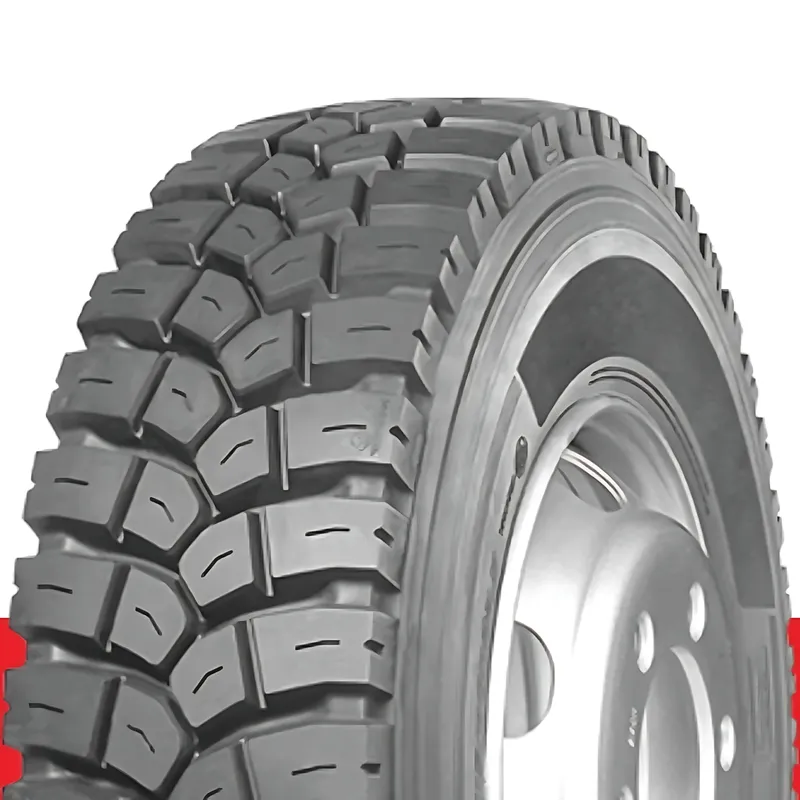
Defining OTR Trucking and Its Core Operational Scope
Over-the-road (OTR) trucking—often called long-haul trucking—is the backbone of domestic freight movement, transporting the majority of tonnage across the United States. This operational model involves hauling goods over distances typically exceeding 250 miles, with routes frequently spanning state lines or entire coast-to-coast corridors. OTR drivers may remain on the road for days or weeks, delivering everything from raw materials to finished consumer products using specialized equipment such as dry vans, refrigerated trailers, and flatbeds. Unlike regional or local services, OTR prioritizes high-volume, long-distance efficiency, connecting distant suppliers with dispersed markets. Its core scope includes extended route planning, fuel management, and strict compliance with federal hours-of-service regulations—making it a distinct and demanding segment of the logistics industry that powers national supply chains.
Key Differences Between OTR, Local, and Regional Trucking
While all trucking moves freight, the operational scope, driver lifestyle, and economic model differ significantly between OTR, local, and regional operations. Understanding these distinctions helps fleet operators align route strategy with cost, service, and retention goals.
| Dimension | OTR (Over‑the‑Road) | Regional | Local |
|---|---|---|---|
| Geographic Scope | Cross‑country, often crossing multiple states | A confined multi‑state area (e.g., the Northeast or Midwest) | Within a single state or metropolitan area |
| Typical Distance | Exceeds 250 miles per trip, often 500+ miles | 100–500 miles per trip | Under 100 miles, rarely exceeding 150 |
| Driver Schedule | Extended trips; drivers may be out 1‑3 weeks at a time | Multi‑day runs; home several times per week | Daily routes; driver returns home each night |
| Home Time | Minimal; 2‑3 days off after weeks on the road | Regular; weekends or 2‑3 nights per week at home | Consistent; the driver is home every evening |
| Equipment | Large tractor‑trailers, often with sleeper cabs; refrigerated, flatbed, or tanker trailers | Midsized day cabs or single‑axle tractors; van trailers | Day cabs, box trucks, or straight trucks; sometimes no CDL required |
| Load Profiles | Full truckloads (FTL) of raw materials, machinery, or long‑haul consumer goods | Partial truckloads (PTL) or regional distribution; retail, grocery, automotive parts | Last‑mile delivery, retail store replenishment, construction materials |
| Revenue & Cost | Higher per‑mile rates but higher fuel, maintenance, and driver turnover costs | Moderate rates; balanced cost structure with less deadhead mileage | Lower per‑mile revenue but high volume, predictable fuel costs, and lower turnover |
OTR trucking provides the reach to connect distant markets, while regional and local operations offer faster, more frequent turns. The right choice depends on shipment urgency, load size, and the balance between premium earnings and driver retention.
Critical Requirements for OTR Compliance and Driver Readiness
OTR operations demand strict adherence to federal safety regulations and driver readiness protocols. The Federal Motor Carrier Safety Administration (FMCSA) sets the standard for compliance, covering hours, vehicle condition, and driver qualifications. Meeting these requirements is essential to avoid fines, roadside incidents, and legal liability.
FMCSA Regulations and Hours-of-Service (HOS) Rules
Drivers must hold a valid Commercial Driver’s License (CDL) with appropriate endorsements and maintain a current medical certificate confirming fitness for duty. Hours-of-service (HOS) rules require electronic logging to prevent fatigue: drivers are limited to 11 hours of driving within a 14-hour on-duty window, must take a 30-minute break after 8 hours behind the wheel, and must rest for at least 10 consecutive hours before restarting the cycle. Random drug and alcohol testing further ensures safety. Non-compliance triggers severe penalties—including out-of-service orders—and carriers with strong compliance programs report significantly fewer accidents and violations, according to FMCSA data.
Vehicle Maintenance, Inspections, and DOT Compliance
Vehicle upkeep is non-negotiable. Drivers must perform pre-trip inspections covering brakes, tires, lights, and coupling devices; any defects must be documented and corrected before departure. A preventive maintenance program—based on mileage or time intervals—reduces mechanical failures and unplanned downtime. DOT roadside inspections scrutinize vehicles for compliance, and violations can result in out-of-service orders. Proper cargo securement using chains, straps, or other approved methods prevents shifting and protects both load integrity and public safety. Detailed records of all maintenance and inspections are mandatory for audits. Consistent attention to these details keeps OTR fleets road-ready and safe.
Strategic Benefits and Business Implications of OTR Operations
OTR (Over-the-Road) trucking presents a dual-edged strategic landscape: high revenue potential tempered by persistent operational headwinds. Fleet operators must balance long-haul efficiency gains against the realities of driver scarcity and volatile fuel markets. The following subsections detail the key opportunities and challenges that define bottom-line outcomes.
Revenue Potential and Load Optimization Opportunities
OTR freight generates higher per-mile rates than regional or local lanes, with average revenue per mile reaching $2.65 for dry van loads (DAT 2024). Strategic load optimization—using advanced routing algorithms and real-time freight matching platforms—can slash empty miles by up to 30%, directly boosting asset utilization. Consolidating partial loads into profitable backhauls further improves yield. A well-run OTR operation can achieve a truck utilization rate above 90%, translating to an additional $40,000 per truck annually (FleetOwner 2023).
Challenges: Driver Retention, Fuel Costs, and Route Planning
Driver turnover in OTR fleets hit 91% in 2023 (American Trucking Associations), driven largely by extended time away from home. Fuel remains the largest variable expense, consuming 25–30% of total operating costs (American Transportation Research Institute 2023). Route planning complexity compounds both issues: suboptimal routing increases fuel burn and worsens driver schedules. Mitigating these requires a blend of fuel hedging strategies, driver-friendly scheduling policies, and dynamic route optimization tools. Ignoring any one factor can erode the margin gains that OTR’s revenue potential promises.
FAQ
What is OTR trucking?
OTR (Over-the-Road) trucking refers to long-haul transportation of freight over distances typically exceeding 250 miles. It often involves cross-country routes and extended periods on the road.
What sets OTR trucking apart from local or regional trucking?
OTR involves long-distance, cross-state or coast-to-coast routes, while local trucking stays within single states or cities. Regional trucking covers areas spanning a few states. Differences also extend to driving schedules, equipment, and revenue models.
What are the main regulatory requirements for OTR operations?
Compliance with FMCSA rules, including hours-of-service (HOS) regulations, vehicle inspections, and driver qualifications, are critical for OTR trucking to ensure safety and legal adherence.
What factors impact driver retention and revenue in OTR trucking?
Extended time away from home increases turnover, while factors like fuel costs and suboptimal routing can affect margins. Implementing better scheduling, fuel strategies, and route optimization can help mitigate these challenges.