
 EN
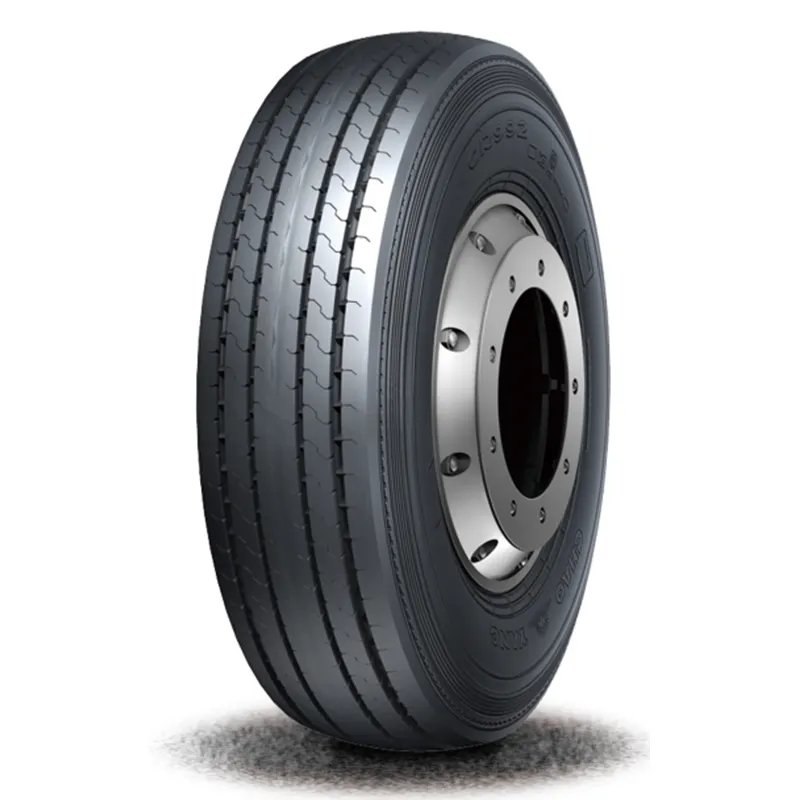
Match Commercial Tire to Duty Cycle, Terrain, and Load Requirements
Aligning commercial tire type with long-haul, regional, and mixed-service duty cycles
Selecting the right commercial tire starts with a clear view of duty cycle. Long-haul routes involve sustained highway speed, limited stops, and high annual mileage—demanding tires with shallow tread depth, low rolling resistance, and heat-resistant casings to control fuel use and minimize thermal degradation. Regional operations add frequent starts, stops, and turns; drive tires here must withstand higher torque and braking forces, benefiting from deeper tread blocks and tougher rubber compounds. Mixed-service vehicles operate across pavement, gravel, and rough loading zones, requiring a balanced design that delivers road efficiency and off-road durability. Using a highway tire in mixed service risks uneven wear, sidewall damage, or premature casing failure. Matching tire construction to duty cycle preserves casing integrity, reduces replacement frequency, and stabilizes tire-related downtime. Fleet managers who classify each vehicle by route type—and revisit that classification whenever cargo profile or routing changes—avoid costly mismatches that accelerate wear and inflate operating cost per mile.
Selecting highway, all-terrain, or off-road commercial tires based on fleet geography and surface conditions
Fleet geography and surface conditions—not just marketing labels—determine the optimal tire category. Highway tires excel on smooth interstates and paved state routes, delivering stable handling, lower noise, and superior fuel economy at sustained speeds. All-terrain tires suit fleets splitting time between pavement and unpaved surfaces like gravel or dirt; their open shoulder designs and cut-resistant tread compounds improve traction without sacrificing excessive ride quality or rolling resistance. Off-road or severe-service tires are engineered for construction, mining, and logging: deep tread depth, reinforced sidewalls, and aggressive lug patterns help them survive sharp debris, ruts, and extreme terrain. Even urban delivery fleets navigating potholes, curbs, and tight corners benefit from enhanced sidewall toughness. The right match reduces flats, sidewall tears, and irregular wear—keeping vehicles in service and avoiding costly road calls. This alignment is especially critical in regions with seasonal rain, ice, or loose gravel, where mismatched tread patterns lead directly to early replacements and inflated repair costs.
Matching load index, ply rating, and axle configuration to vehicle weight and operational demands
Load index and ply rating must reflect actual axle loads—not just gross vehicle weight. A tire’s load-carrying capacity shifts with speed, inflation pressure, and vehicle configuration. Overloading due to dense cargo or uneven weight distribution raises casing temperature and increases risk of catastrophic failure. Steer, drive, and trailer axles also have distinct functional requirements: steer tires prioritize responsive handling and even wear; drive tires need high torque resistance and traction durability; trailer tires demand stable tracking and consistent load support. Ply rating indicates casing strength, but it’s not a “more is better” metric—it must align precisely with load, speed, and application. Underrated tires fail prematurely; over-specified ones add unnecessary weight, cost, and rolling resistance without benefit. Always consult the manufacturer’s load and inflation tables before selection. Doing so ensures every wheel position operates within safe mechanical limits, protects casing integrity for retreading, and lowers total cost per mile.
Optimize Total Cost of Ownership with Data-Driven Commercial Tire Selection
Lifecycle cost analysis: quantifying acquisition, fuel, maintenance, retread, and downtime costs per mile
Total cost of ownership (TCO) for commercial tires requires measuring five key components per mile: acquisition, fuel, maintenance, retread, and downtime. Relying solely on purchase price misleads—low-cost tires often increase fuel burn, shorten casing life, and reduce retread yield, erasing initial savings. Industry data places average tire TCO near $0.05 per mile (2025), ranking it third behind fuel and driver pay. Low rolling resistance designs can cut diesel consumption by up to 3.5%, while aggressive open-shoulder patterns may raise it. Maintenance—including balancing, alignment, inflation checks, and early damage repair—directly impacts casing retreadability; inconsistent upkeep degrades structural integrity. Retreading extends casing life 1.5–2× at roughly half the cost of new tires. Downtime encompasses road calls, labor for replacement, and missed delivery windows—costs rarely captured in procurement budgets. A robust lifecycle comparison sums these five areas and divides by total miles run. This cost-per-mile lens reveals true value faster than sticker price alone—and fleet teams should ground projections in historical usage data before finalizing specifications.
Case evidence: how low-cost commercial tires increase 3-year TCO by 22–35%
A 2023 industry fleet study tracked identical regional-haul trucks over three years. Budget tires had lower upfront cost but increased 3-year TCO by 22–35% versus premium-positioned alternatives. The gap stemmed from shorter tread life, more frequent replacements, higher rolling resistance, and lower retread yield—especially under heavy loads, mixed terrain, or frequent stop-and-go operation. In a separate 2024 data-driven tire lifecycle program, participating fleets reduced total tire cost by 15–28% and recovered implementation investment within 8–14 months. One 100-vehicle fleet saved $25,000–$45,000 annually by treating each tire as a tracked asset and scheduling rotation and retreading based on real-time condition data—not calendar or mileage thresholds. These results confirm that low acquisition cost often masks higher long-term expense. Fuel impact, retread potential, and downtime risk must be weighted equally in every commercial tire specification and replacement decision.
Maximize Fuel Efficiency Through Low Rolling Resistance and Precision Inflation
Fuel savings potential of low rolling resistance commercial tires: up to 3.5% reduction in diesel consumption
Low rolling resistance (LRR) commercial tires reduce energy loss by minimizing sidewall and tread deflection—converting less fuel into wasted heat. According to the National Highway Traffic Safety Administration (NHTSA), a 10% reduction in rolling resistance improves fuel economy by 1–2%. For diesel fleets, this translates to measurable savings: well-specified LRR tires can cut fuel consumption by up to 3.5%. A 2020 report by the North American Council for Freight Efficiency found that fuel cost attributable to rolling resistance equals roughly five times a tire’s initial purchase price—meaning even modest upfront premiums are typically recovered through reduced diesel burn. Fleet managers should compare manufacturer-provided rolling resistance data and verify that retread options maintain equivalent LRR performance before standardizing any commercial tire specification.
Impact of underinflation: 1–2% fuel waste per 10 PSI deficit—and how automated inflation systems mitigate risk
Underinflation is a silent, widespread cost driver. For every 10 PSI deficit across a tire set, fuel consumption rises by approximately 1–2%; even a 1 PSI shortfall can reduce fuel economy by about 0.2%. As noted by the U.S. Department of Energy, proper inflation improves fuel economy by an average of 0.6%—and up to 3% in some applications. Automated tire inflation and pressure monitoring systems close this gap continuously. In one fleet evaluation, automatic inflation delivered a 0.4 mpg improvement—justifying full deployment across the operation. NHTSA also attributes a 4,700-mile average extension in tire life to proper inflation, compounding both fuel and replacement savings.
Extend Commercial Tire Life via Proactive Maintenance and Strategic Retreading
Cost-per-mile reduction through disciplined rotation, alignment, tread depth monitoring, and damage inspection
A disciplined commercial tire maintenance program reduces cost per mile by preventing irregular wear, casing damage, and unplanned road failures. Rotate tires at scheduled intervals—based on axle position and duty cycle—to equalize wear patterns and maximize usable tread life. Maintain precise alignment settings to prevent shoulder scrubbing and uneven tread loss that compromise casing integrity. Monitor tread depth using calibrated gauges to schedule replacement before wear reaches legal limits (e.g., 2/32" for steer axles) or falls below minimum retread thresholds (typically 4/32"). Conduct pre-trip and post-trip inspections for cuts, bulges, embedded objects, and sidewall damage—small issues caught early avoid emergency repairs or premature scrap. Route-based inspection schedules help detect subtle pressure drift or alignment shifts before they escalate. Fleets that consistently document and act on these practices preserve casing value and significantly lower overall tire-related operating cost per mile.
Retreading as a proven TCO lever: 50% lower cost per mile vs. new tires with equivalent safety (TRAC, 2022)
Retreading is a proven total cost of ownership lever—reducing cost per mile by about 50% compared with new tires while maintaining equivalent safety performance (TRAC, 2022). A successful retread program begins with rigorous casing inspection using ultrasonic or shearography testing to confirm structural soundness. Only verified, undamaged casings proceed to tread removal, precision buffing, new tread application, and final pressure testing. When processed by certified retreaders, retreaded units meet or exceed FMVSS 119 and other applicable new-tire safety standards. Fleets that combine retreading with disciplined rotation, inflation control, and alignment management extend casing life across multiple service cycles—lowering replacement spend and maximizing return on the original tire investment without compromising safety or compliance.
FAQ Section
What does “duty cycle” mean in commercial tire selection?
Duty cycle refers to the operational conditions a commercial vehicle is exposed to, including route type, speed, terrain, and stopping frequency. It helps determine the type of tire construction needed for optimal performance.
How can fleet managers optimize total cost of ownership (TCO) for tires?
Fleet managers can optimize TCO by factoring five key areas: acquisition cost, fuel efficiency, maintenance, retread yields, and minimizing downtime costs, rather than solely relying on upfront purchase price.
What are the advantages of low rolling resistance (LRR) tires?
Low rolling resistance tires improve fuel economy by reducing energy loss during operation. They can lower fuel consumption by up to 3.5%, resulting in cost savings over the tire’s lifecycle.
How does underinflation impact fuel efficiency and tire life?
Underinflation increases rolling resistance, leading to 1–2% higher fuel consumption per 10 PSI deficit. It also shortens tire life due to uneven wear and higher thermal degradation.
Why is retreading considered a cost-effective solution?
Retreading extends tire life at 50% of the cost of new tires while maintaining safety standards. It maximizes casing value, reducing overall operating expenses.
Table of Contents
- Match Commercial Tire to Duty Cycle, Terrain, and Load Requirements
- Optimize Total Cost of Ownership with Data-Driven Commercial Tire Selection
- Maximize Fuel Efficiency Through Low Rolling Resistance and Precision Inflation
- Extend Commercial Tire Life via Proactive Maintenance and Strategic Retreading
-
FAQ Section
- What does “duty cycle” mean in commercial tire selection?
- How can fleet managers optimize total cost of ownership (TCO) for tires?
- What are the advantages of low rolling resistance (LRR) tires?
- How does underinflation impact fuel efficiency and tire life?
- Why is retreading considered a cost-effective solution?