
 EN
EN
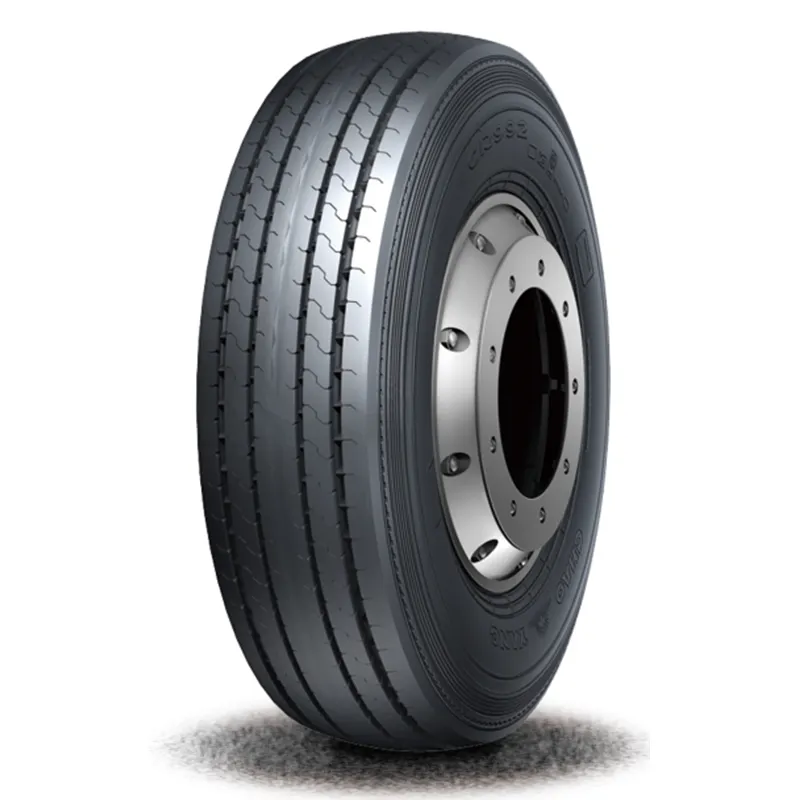
Why Overloading Is the Leading Cause of Semi Truck Tire Blowouts
The physics of heat buildup and structural fatigue in overloaded semi truck tires
Overloading a semi truck places excessive stress on its tires—each engineered to carry a specific maximum load. When weight exceeds that limit, the sidewall flexes beyond design parameters, generating internal friction and heat. This heat accelerates rubber compound degradation and weakens steel belts, progressively compromising structural integrity. According to the Tire Retread & Repair Information Bureau (2021), a 10% overload can reduce tire life by 12%. On hot summer days, internal temperatures in overloaded tires can exceed 200°F—well above safe operating thresholds—overwhelming the tire’s ability to dissipate heat and triggering thermal degradation. Repeated overloading also induces metal fatigue in the steel belts, which may fracture and create bulges or bubbles beneath the tread surface. This hidden damage is often invisible during routine visual inspections but represents a high-risk precursor to sudden blowout. Regular, trained inspection remains essential—but respecting load limits is the most effective prevention.
FMCSA data: 34% of tire-related crashes linked to overweight loads
FMCSA (2023) reports that 34% of tire-related crashes involve overweight loads—a statistic that underscores the direct, preventable link between weight violations and catastrophic failure. Overloaded tires are significantly more prone to sudden loss of pressure or structural rupture at highway speeds, frequently resulting in loss of control, jackknifing, or rollovers. These incidents carry high risks of injury, fatality, and regulatory liability. Carriers exceeding gross vehicle weight ratings or axle-specific limits face fines, out-of-service orders, and increased insurance exposure. Effective fleet safety programs prioritize weight compliance through on-board axle scales, pre-trip weigh-ins, and driver training—not as bureaucratic formalities, but as core elements of tire preservation and crash prevention.
Optimizing Inflation and Load Distribution for Semi Truck Tires
Dynamic inflation: Adjusting PSI based on real-time axle load—not nameplate specs
Standard placard inflation is calibrated for maximum axle load—not typical operating conditions. Running tires at that fixed pressure when lightly loaded concentrates wear on the center tread, reduces wet-weather traction, and transmits unnecessary shock to suspension components. Conversely, even 6 psi underinflation increases rolling resistance enough to raise fuel consumption by 3% (TMC 2023). Dynamic inflation corrects this mismatch by adjusting PSI in real time based on actual axle load. Using sensors or weigh-in-motion data, a central tire inflation system modulates pressure per axle—keeping casing temperatures stable, optimizing contact patch, and preserving tread life. A 2022 NACFE field trial found fleets using load-based pressure adjustment extended tread life by 12% and reduced fuel costs by 2%, while also lowering the risk of heat-triggered blowouts.
Balancing weight across axles to prevent sidewall deformation and tread scrubbing
Uneven weight distribution forces individual tires to bear disproportionate loads—compressing sidewalls, increasing tread scrub, and accelerating asymmetric wear. This imbalance creates localized fatigue zones where flexing and friction concentrate, raising casing temperature and hastening structural breakdown. Best practice calls for placing heavier cargo low and centered, then verifying even mass distribution across all axles before departure. A 2023 fleet survey showed operations with standardized load-balancing checklists experienced 15% fewer tire-related roadside calls. Even a 3% lateral weight imbalance can shorten tread life by 10% (ATA 2022). Vertical balance matters too: a high center of gravity amplifies sway-induced dynamic loading during cornering, momentarily overloading one side’s tires. Consistent axle load distribution minimizes destructive sidewall flex and scrub—preserving casing integrity and eliminating the uneven wear patterns that commonly precede blowout.
Recognizing Critical Warning Signs in Semi Truck Tires Before Blowout
Visual, thermal, and pressure-based red flags: bulges, tread separation, rapid loss, and infrared hotspots
Sidewall bulges—raised, bubble-like deformations—are among the most urgent visual warnings, indicating internal cord breakage that can rupture without further notice. Tread separation often begins subtly: a faint vibration, shoulder “squirm,” or visible rubber displacement signals bond failure between tread and casing. Any such defect requires immediate removal from service. Thermal monitoring adds critical diagnostic depth: an infrared thermometer can detect surface hotspots running 20°F or more above surrounding areas—early evidence of internal delamination, belt distortion, or frictional failure. Pressure-based red flags are equally telling: a tire losing more than 5 PSI per week without visible puncture likely has internal liner cracks or bead damage; rapid pressure loss—even with no external signs—suggests an imminent structural breach. Integrating daily visual sweeps, weekly thermal scans, and consistent pressure logging transforms preventive maintenance from reactive guesswork into a reliable, layered early-warning system.
Enforcing Compliance: GVWR, Axle Limits, and Proactive Maintenance for Semi Truck Tires
Compliance with Gross Vehicle Weight Rating (GVWR) and axle-specific weight limits is the foundational safeguard against tire blowouts. Overloading a single axle by just 10% pushes tires beyond their engineered tolerances—accelerating sidewall fatigue, heat buildup, and structural decay. FMCSA data confirms the stakes: 34% of tire-related crashes involve overweight loads. Fleet operators must treat weight verification not as optional, but as non-negotiable—using certified weigh stations, on-board axle scales, and documented pre-trip checks to confirm compliance before every run. Proactive maintenance reinforces this discipline: daily pressure audits, monthly tread-depth measurements, quarterly infrared hotspot scans, and scheduled alignment and rotation all serve to catch developing issues before they cascade. Embedding these practices into a formal, auditable compliance checklist ensures every semi truck tire operates consistently within its design envelope—protecting drivers, cargo, and public safety.
FAQ
Q: Why does overloading a semi truck lead to tire blowouts?
A: Overloading places excessive stress on tires, leading to heat buildup, structural fatigue, and degradation of rubber and steel components. These factors increase the likelihood of sudden blowouts.
Q: How can dynamic inflation help improve tire performance?
A: Dynamic inflation adjusts tire pressure in real-time based on the actual axle load, ensuring evenly distributed stress, reduced rolling resistance, and better tread life.
Q: What are some early warning signs of potential tire failure?
A: Visual bulges, tread separation, abnormal wear patterns, pressure loss, and surface hotspots detected via infrared thermometers are common warning signs.
Q: Why is weight distribution important for tire maintenance?
A: Uneven weight distribution stresses individual tires disproportionately, leading to sidewall deformation, increased tread scrub, and localized fatigue that accelerates tire failure.
Q: What proactive measures can prevent semi truck tire blowouts?
A: Regular maintenance such as pressure checks, infrared scans, and load verification, combined with adherence to weight limits, can effectively prevent blowouts and extend tire life.