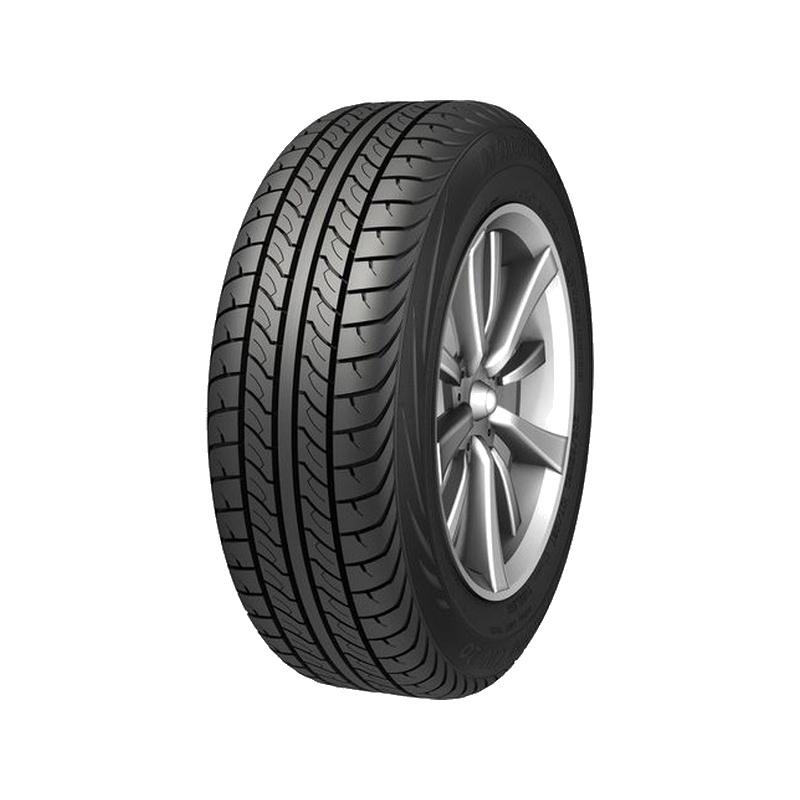
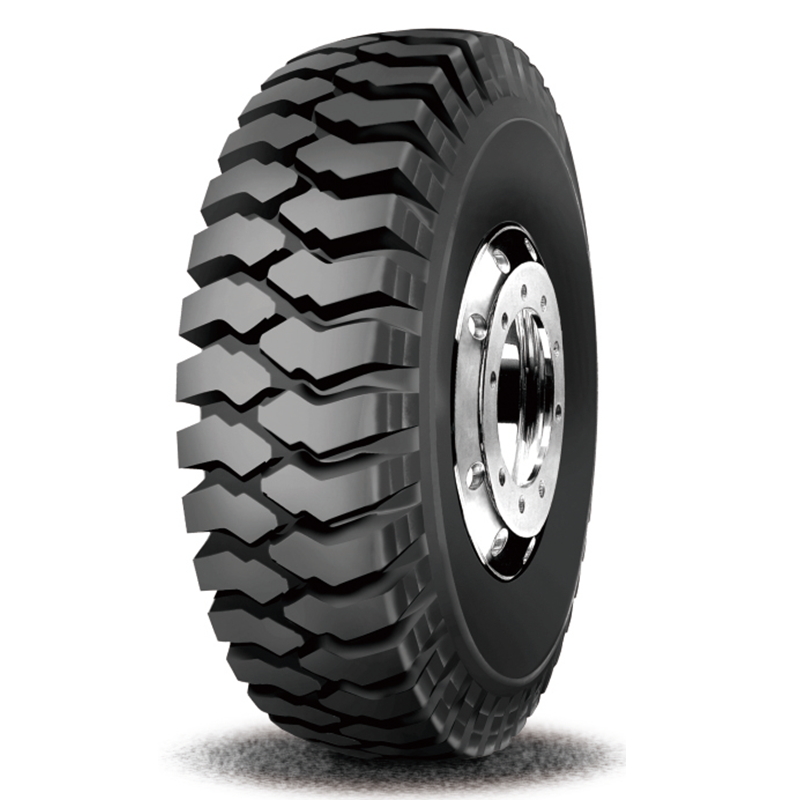
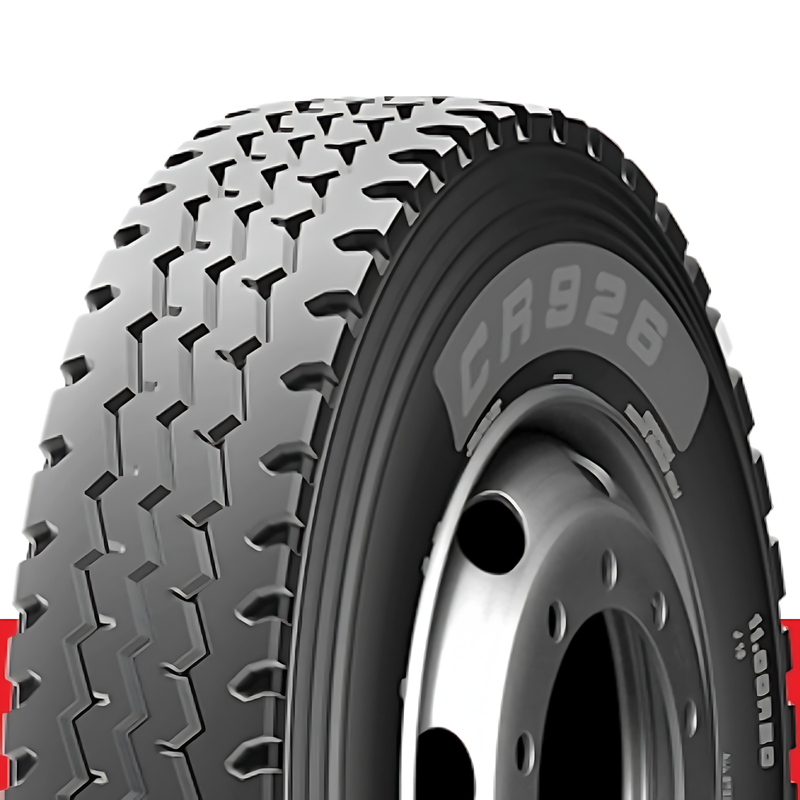
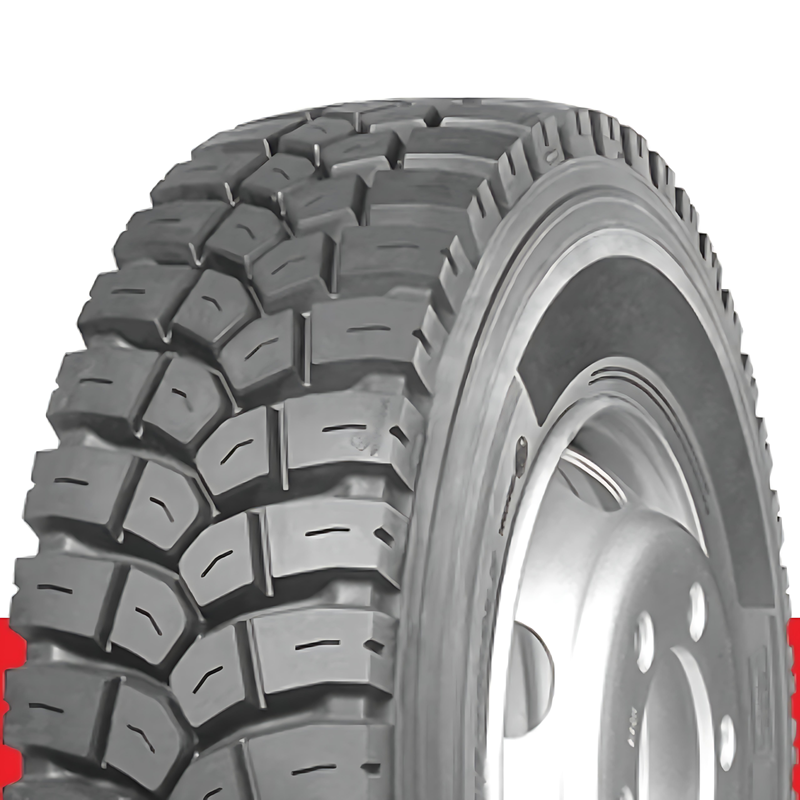
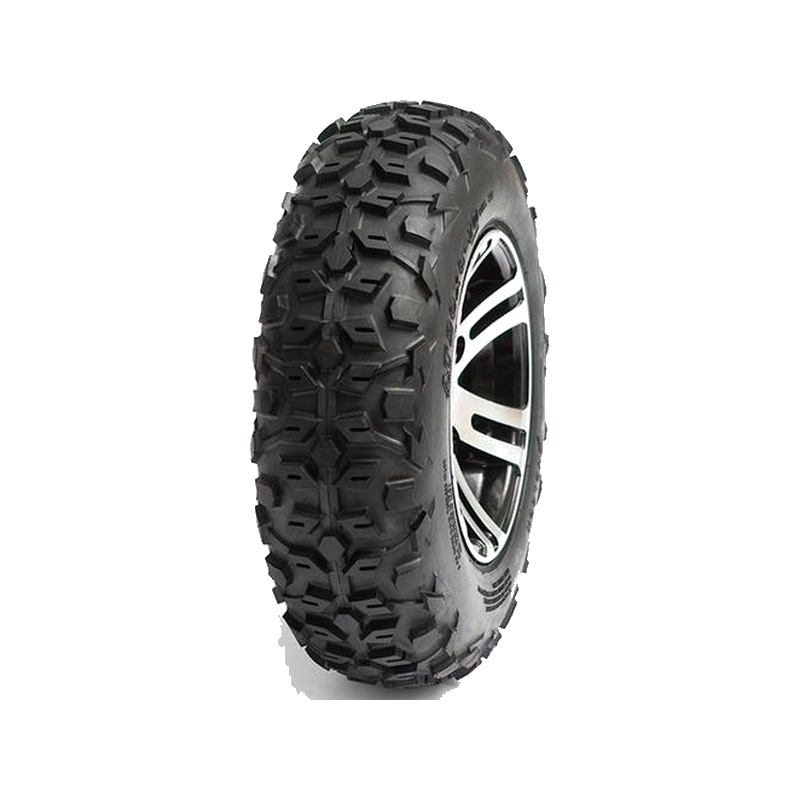
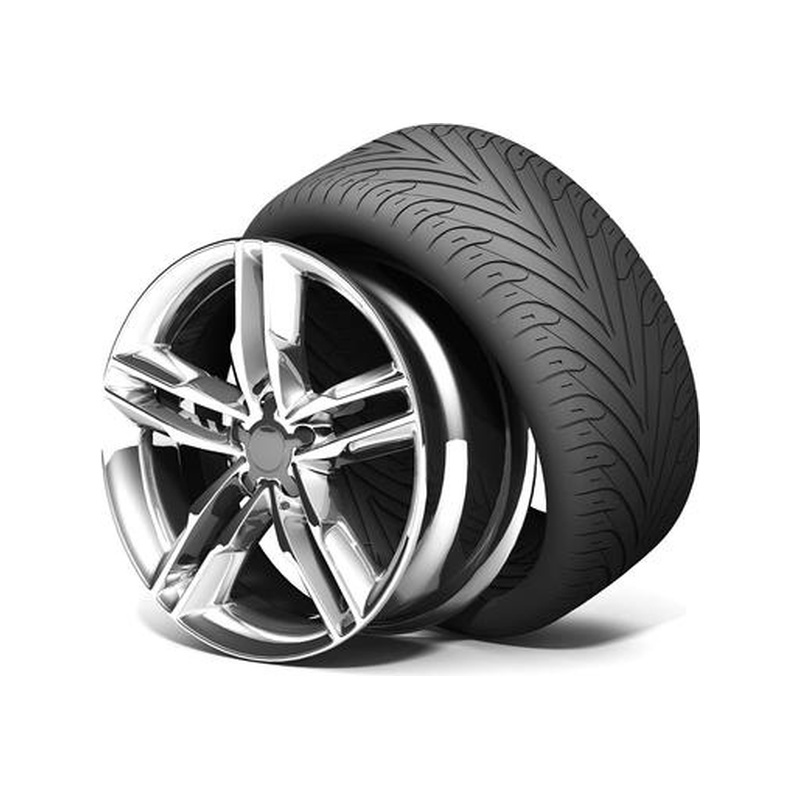
Snow Tyres, often called winter tires in many markets, are a distinct product category designed for low-temperature driving. The defining characteristic of Snow Tyres is not simply a chunky tread pattern; it is the rubber compound. When temperatures fall below approximately 7°C, the compound used in summer and many all-season tires becomes rigid, reducing the contact patch’s ability to conform to the road surface. Snow Tyres use compounds with higher silica content and special polymers that remain flexible in cold conditions. This flexibility allows the tread to interlock with the microscopic texture of snow and ice, improving acceleration, braking, and cornering. In addition to compound technology, Snow Tyres rely on tread geometry. Dense sipes, which are the small zigzag cuts across the tread blocks, create additional biting edges. These edges act like thousands of tiny grips that open and close as the tire rolls, helping to evacuate water films and bite into packed snow. Deep circumferential and lateral grooves channel slush and meltwater away from the contact patch, reducing the risk of hydroplaning on wet winter roads. The void ratio, which is the proportion of grooves and sipes to tread blocks, is carefully tuned. Too little void reduces snow grip; too much void can reduce dry handling stability. Our Snow Tyres are engineered to find the right balance for real-world winter use. Another important consideration is the difference between studded and studless Snow Tyres. Studded Snow Tyres use metal studs to penetrate ice, offering extreme traction on frozen surfaces but often restricted by law due to road wear and noise. Studless Snow Tyres, which dominate our range, use advanced compounds and siping to achieve strong ice and snow performance without studs, making them suitable for a wider range of regulations and daily driving comfort. When selecting Snow Tyres, buyers should consider vehicle type, typical winter severity, local legal requirements, and driver expectations. Passenger car Snow Tyres prioritize comfort and fuel efficiency while maintaining safety. SUV Snow Tyres need higher load capacity and stability for heavier vehicles. Light truck and commercial Snow Tyres must handle payload and frequent stopping, so durability and wet braking become critical. SINOTYRE supports partners by helping them match Snow Tyres specifications to their market. We consider load index, speed rating, rim diameter, section width, and aspect ratio, ensuring that the assortment covers the most common vehicles on local roads. We also advise on seasonal inventory planning, because Snow Tyres typically sell in a concentrated window. Ordering early, consolidating sizes, and coordinating shipment schedules can make the difference between a profitable winter season and leftover stock. From a cultural perspective, winter driving habits vary. In some regions, drivers expect aggressive snow traction and are willing to accept slightly higher noise. In others, quiet comfort and fuel economy are prioritized. Our multi-brand Snow Tyres portfolio allows you to choose models that align with these preferences. Westlake, Goodride, Trazano, and Yartu each bring distinct positioning, helping you serve different customer segments under one reliable supply relationship. Ultimately, Snow Tyres are a safety product. They protect families, workers, and businesses during the most challenging driving conditions of the year. By sourcing from an experienced exporter like SINOTYRE, you gain access to quality-controlled Snow Tyres, transparent communication, and logistics support that keeps your winter program on track.