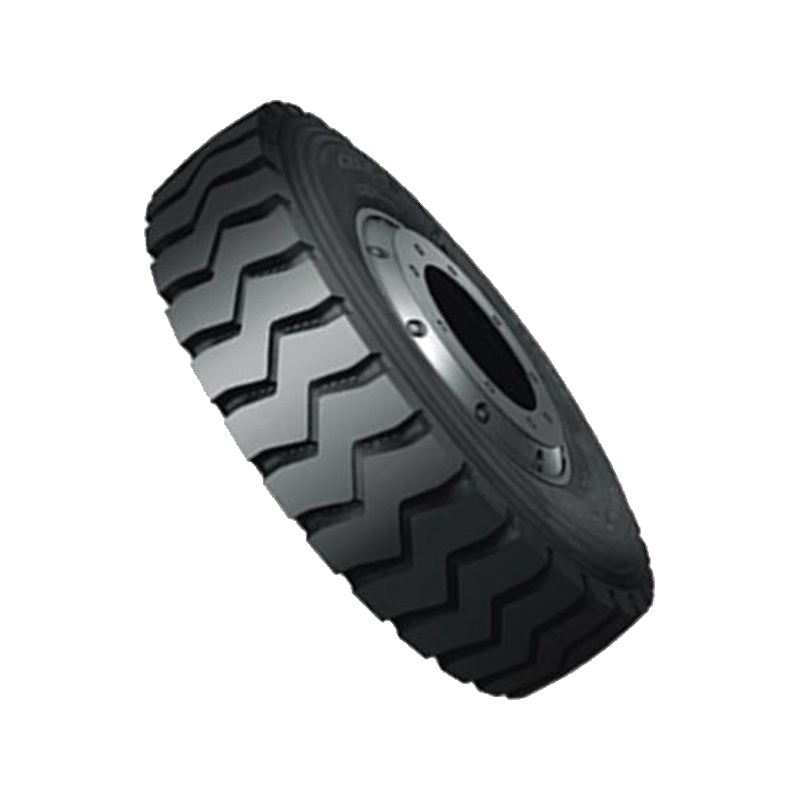
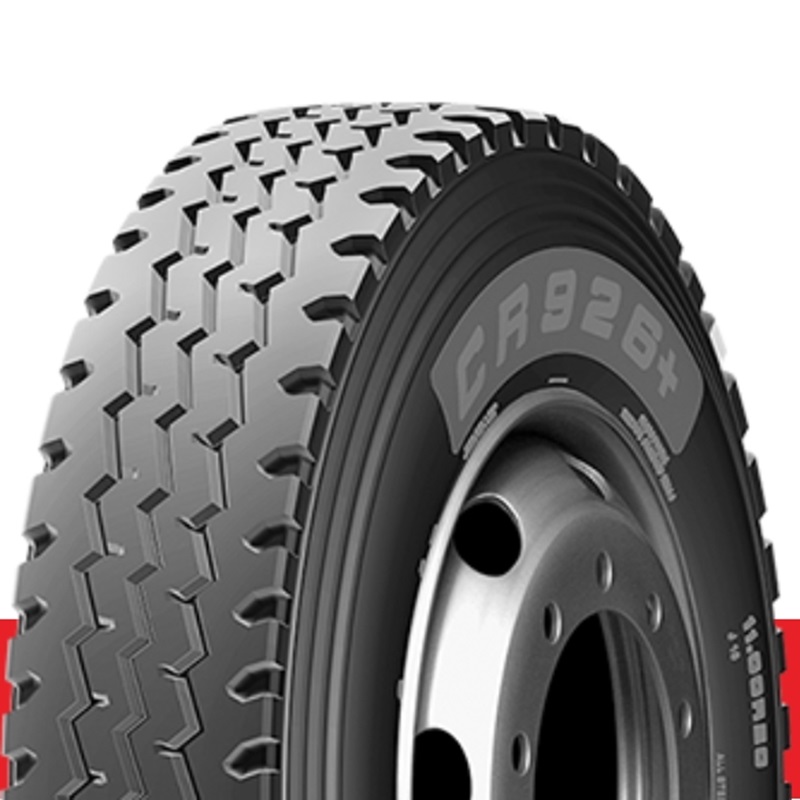
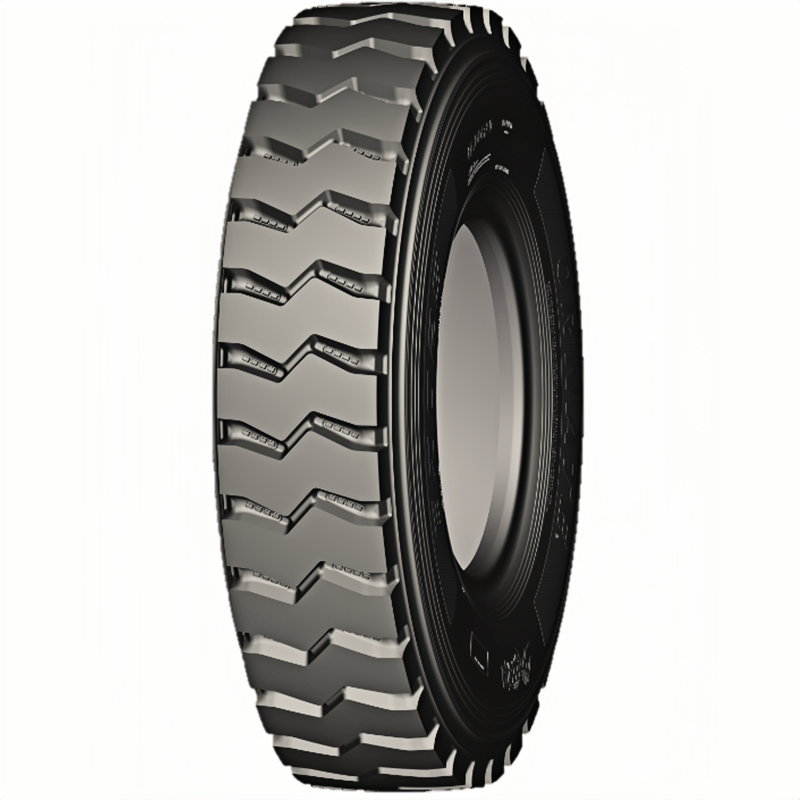
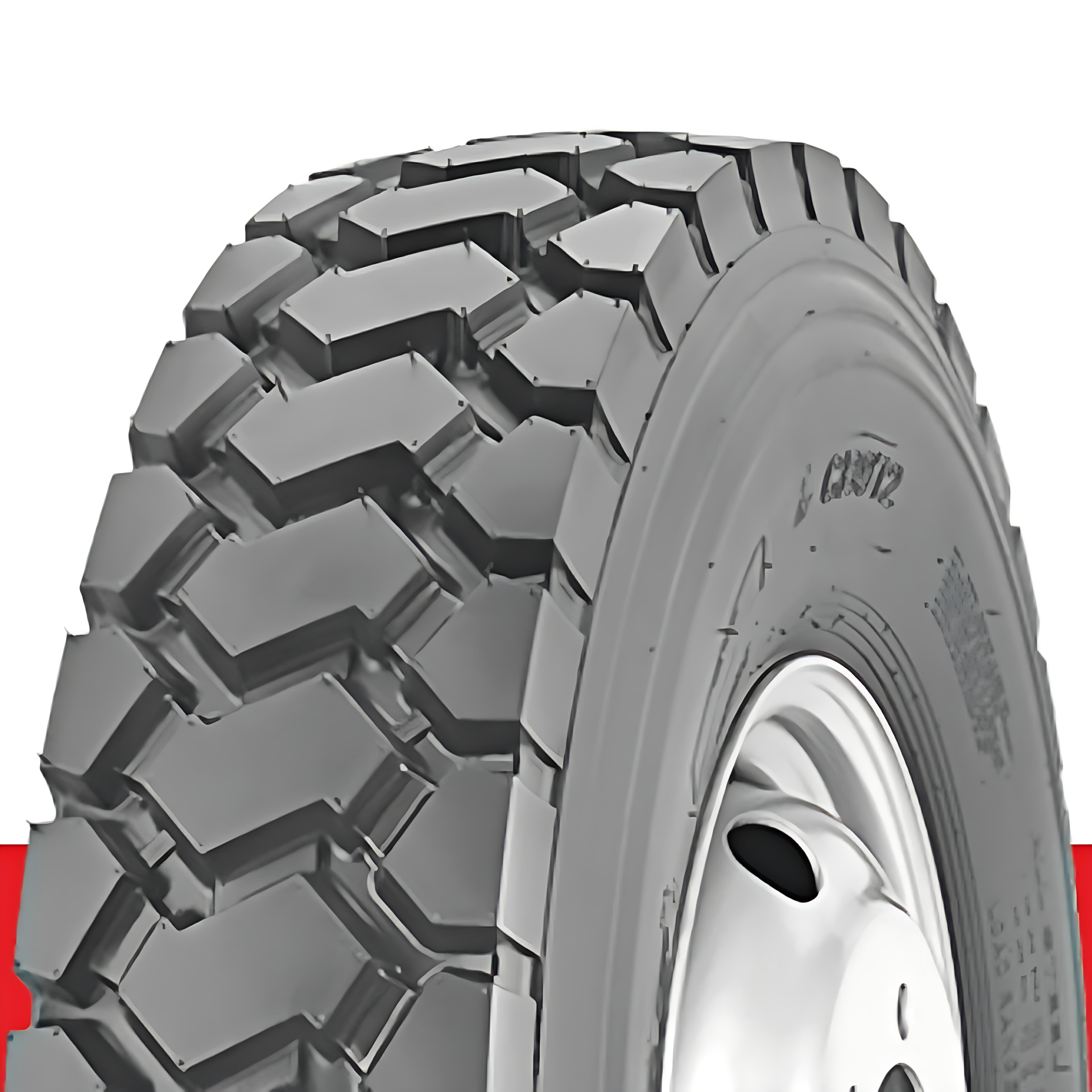
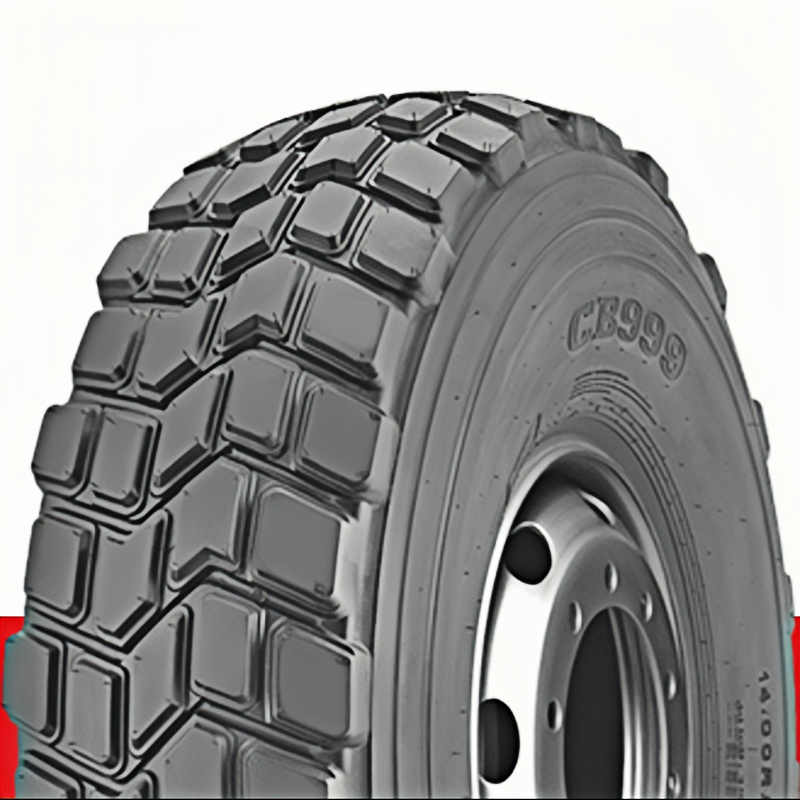
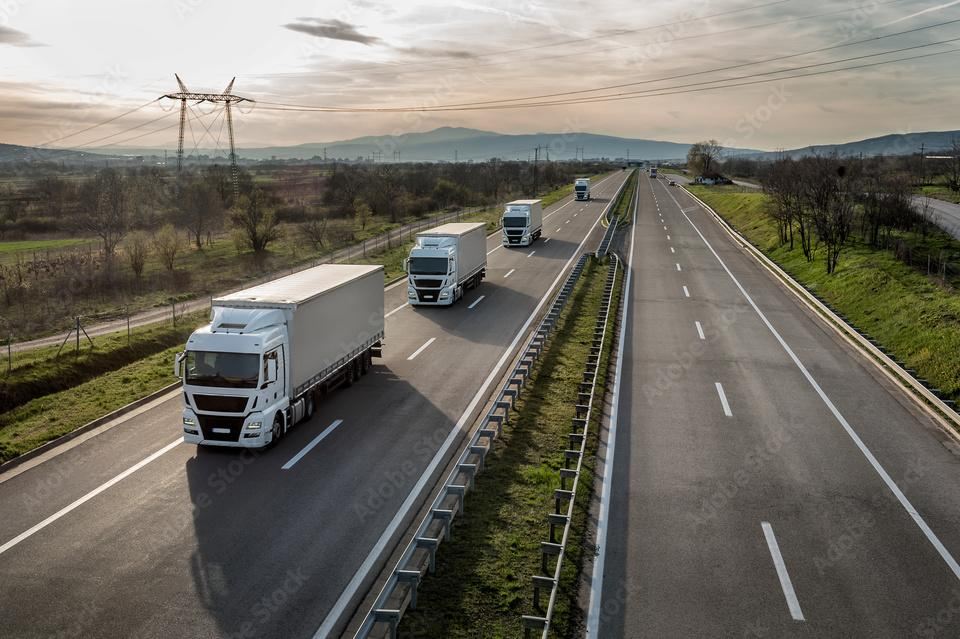
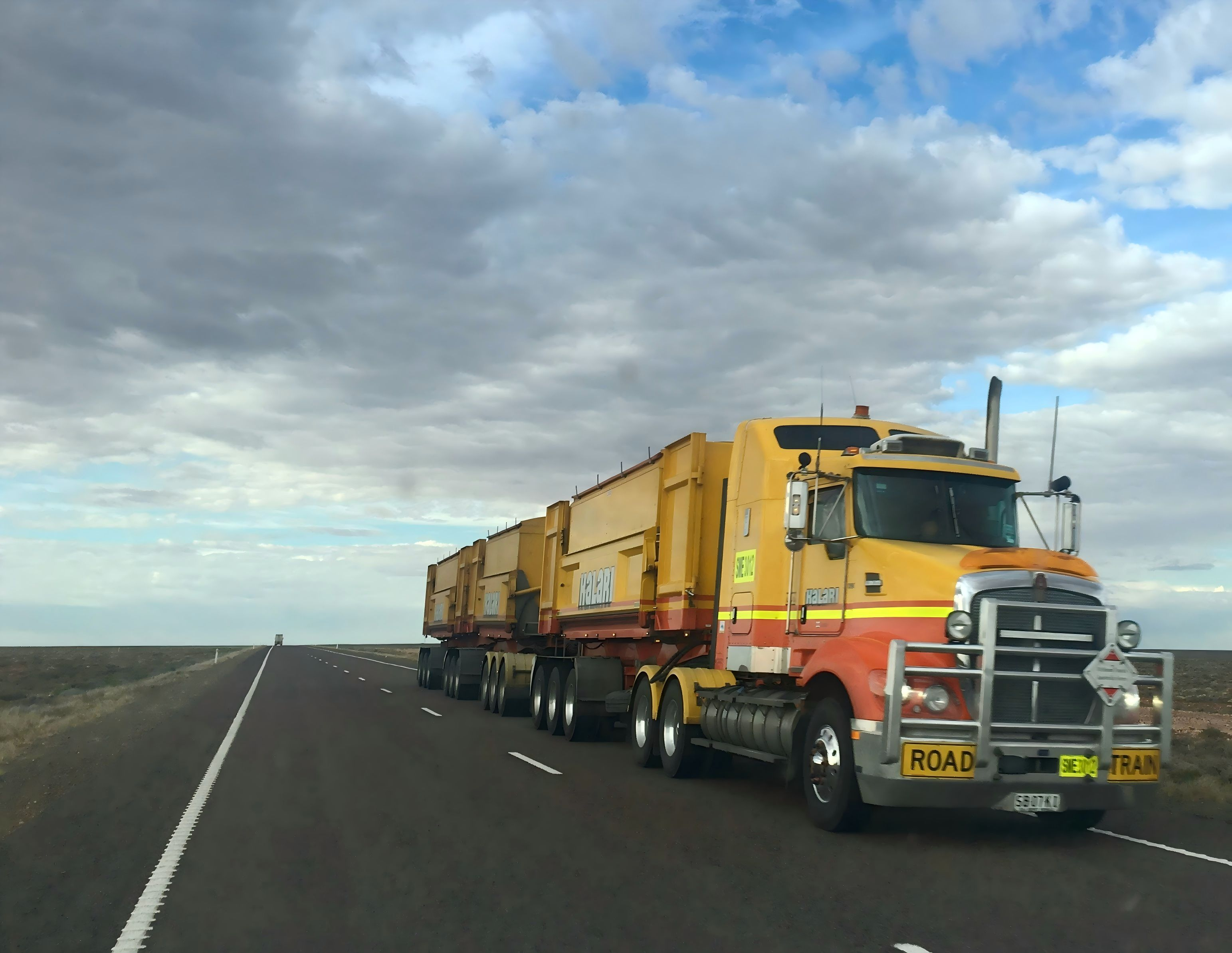
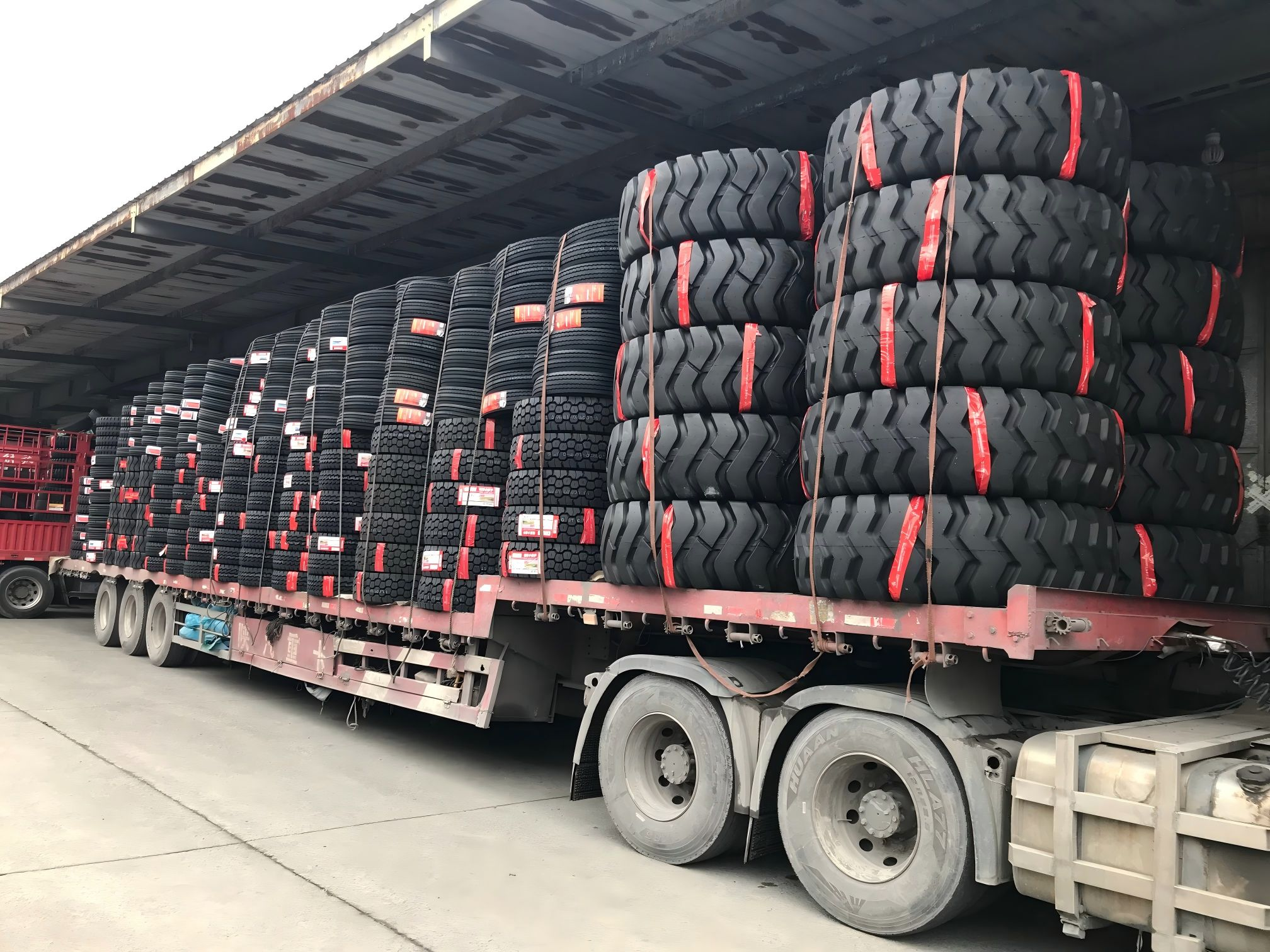
Large Truck Tires are among the most important investments a transport business makes. Unlike passenger car tires, they carry enormous loads across long distances, often in harsh conditions. For fleet managers and distributors, understanding how to specify Large Truck Tires correctly can mean the difference between profitable operations and escalating costs. This section explains the key considerations when buying Large Truck Tires and how SINOTYRE supports customers across different regions and cultural contexts. First, position matters. Large Truck Tires are typically divided into steer, drive, and trailer applications. Steer tires prioritize even wear, precise handling, and resistance to irregular wear, because front-axle performance affects driver safety and comfort. Drive tires need deep tread and aggressive blocks for traction, especially in rain, mud, or snow. Trailer tires focus on stability, low rolling resistance, and even wear under constant load. Using the correct Large Truck Tires in each position improves mileage and reduces premature removal. Second, construction and size must match the vehicle and route. Tubeless radial Large Truck Tires such as 295/80R22.5 and 315/80R22.5 are common in modern fleets, offering lower weight and better heat dissipation. Tube-type sizes like 12.00R20 remain popular in markets where road conditions and repair infrastructure favor them. Load index and speed symbol must meet or exceed axle requirements; under-specifying Large Truck Tires creates safety risks and warranty issues. SINOTYRE helps buyers confirm the right specifications before ordering. Third, tread compound and pattern affect performance. Highway Large Truck Tires use compounds that minimize rolling resistance and heat, improving fuel economy and casing life. Mixed-service and construction Large Truck Tires use cut-resistant compounds and reinforced sidewalls to survive sharp stones and debris. Rib patterns resist irregular wear on highways, while lug and block patterns provide grip in off-road conditions. Seasonal factors, such as high temperatures in the Middle East or rainy seasons in Southeast Asia, should influence pattern selection. Fourth, total cost of ownership should guide purchasing decisions. The purchase price of Large Truck Tires is only one component; fuel consumption, mileage, retreadability, and downtime also matter. A slightly more expensive tire that delivers 20% more mileage and can be retreaded twice may be far cheaper per kilometer. Fleet managers should track cost per mile and compare Large Truck Tires based on real performance data, not just upfront price. Cultural and regional differences also influence buying behavior. Some markets prioritize brand recognition, while others focus on value and availability. Some customers require specific certifications or labeling, and others need fast delivery to meet seasonal peaks. SINOTYRE adapts to these needs by offering multiple brands, flexible packaging, and clear documentation. Our goal is to make importing Large Truck Tires a smooth experience regardless of where you operate. Finally, partnership matters. A supplier who understands your market can recommend the right Large Truck Tires, help with marketing, and respond quickly when issues arise. SINOTYRE combines product quality with export expertise and customer-centric service. Whether you serve highway logistics, construction, mining, or public transport, our Large Truck Tires are designed to keep your customers moving and your business growing.